New leadership guides longtime nonprofit expanding recovery care for women
Our Hope Association’s new executive director aims to strengthen long-standing recovery services supporting women across Michigan.
Drug and alcohol addiction can disrupt every aspect of a woman’s life, affecting health, family stability, and economic security.
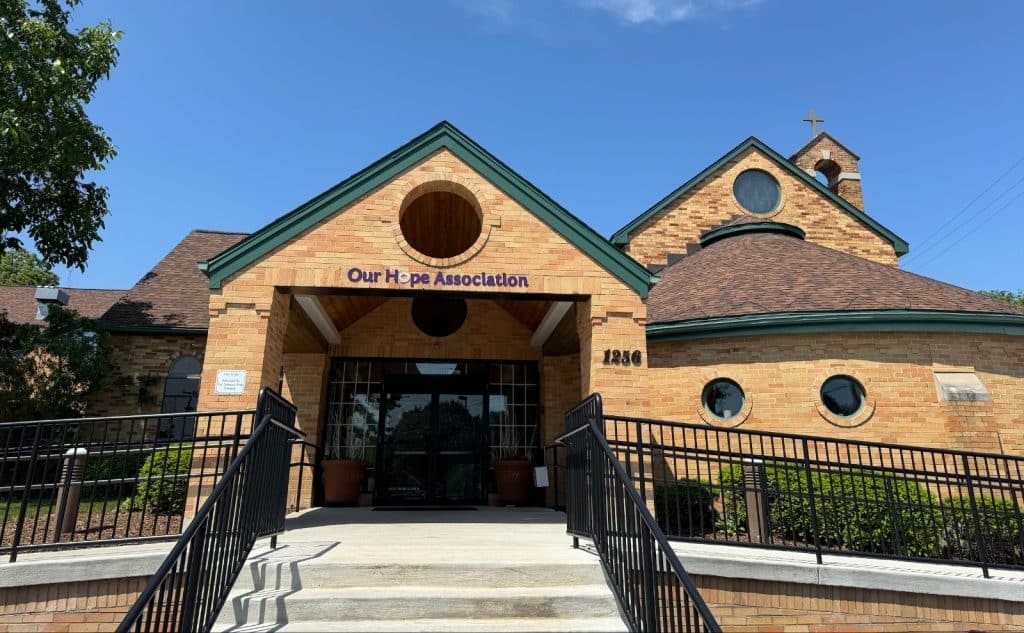
Since 1972, Our Hope Association, a Grand Rapids-based nonprofit women’s substance use treatment facility, has worked to provide a pathway back to stability.
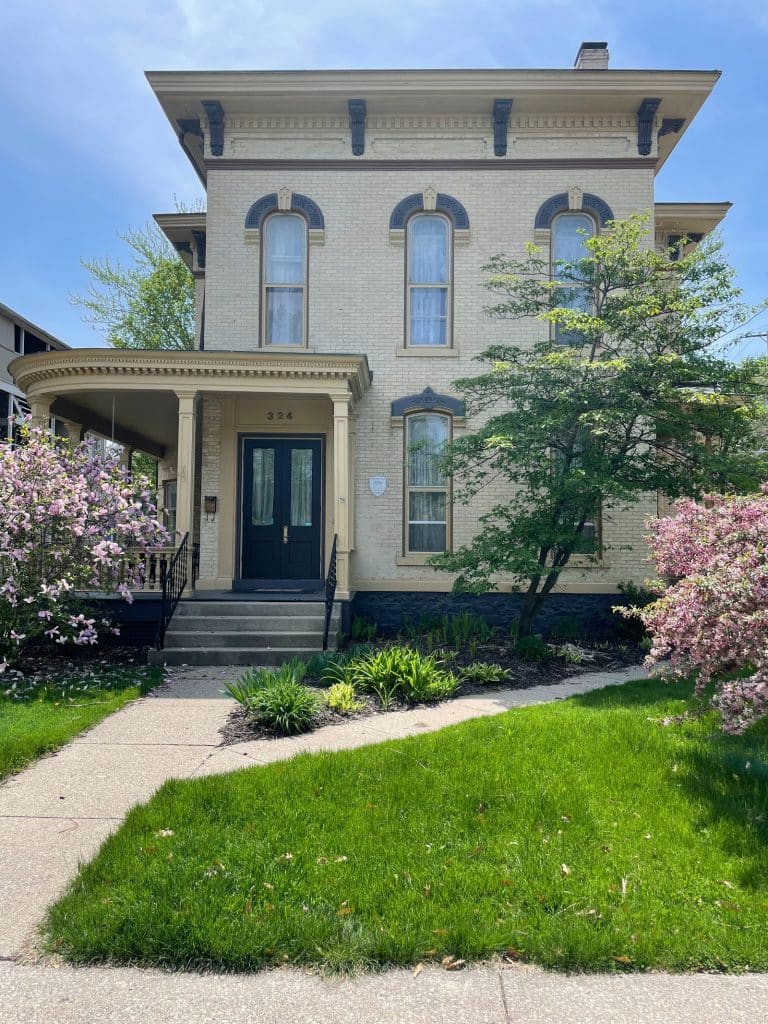
The organization, which serves women from across Michigan, has been expanding. In 2024, Our Hope expanded to a second location, bringing its total capacity to 50 residential treatment beds across two locations, along with a 10-bed medical detox unit currently operating at the Walker location.
The facility offers around-the-clock nursing care for women detoxing from drugs or alcohol, including pregnant women requiring specialized support. After completing detox, participants may transition into a 90-day residential treatment program focused on long-term recovery.
The organization has entered a new chapter with Rosemary Hodges taking the helm as executive director.
Hodges brings more than 25 years of experience in health care leadership and organizational development. She began her career as a certified respiratory therapist and later earned a master’s degree in business management from Fontbonne University before moving into executive leadership roles in hospital systems and nonprofit behavioral health care.
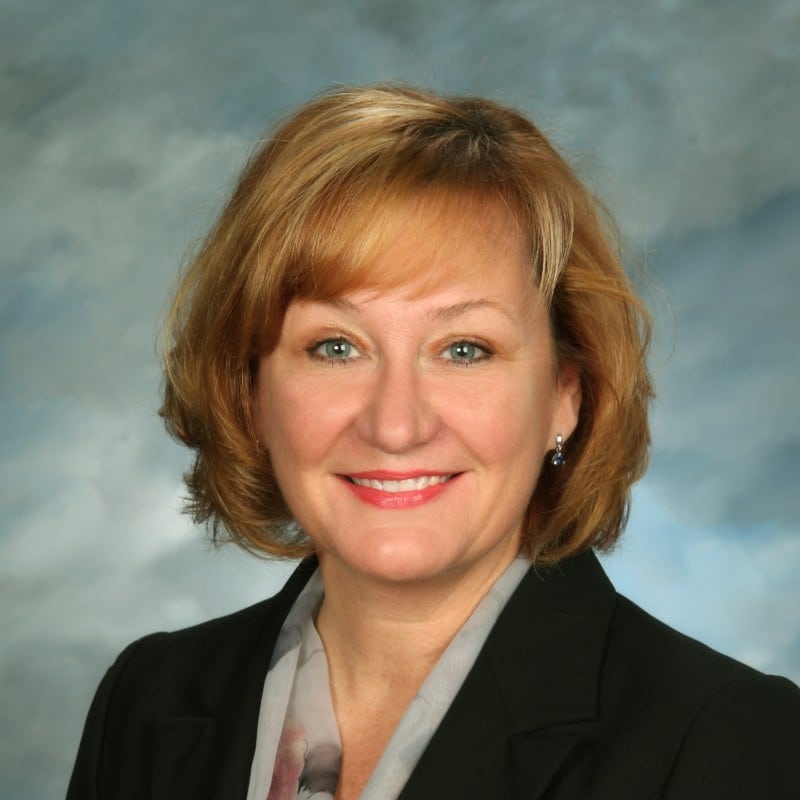
“I am honored to join Our Hope and excited to work alongside the board, staff, and community,” Hodges says. “I look forward to building on the organization’s strong foundation and expanding its impact for the women we serve.”
Hodges says increasing community awareness is a key priority.
“One of my primary goals is to ensure that anyone who could benefit from our services knows about Our Hope before they need us,” she says.
Rapid Growth connected with Hodges about her experience and her plans to strengthen the organization’s impact.
Rapid Growth: You’ve worked across both for-profit and nonprofit health care settings, which gives you a broad perspective. What are some approaches you’ve seen work well for expanding access to care that you’re excited to bring to Our Hope?
Rosemary Hodges: When a client is looking to get sober, access is key. It’s critical for access to be fast and easy to find. Marketing locations, taking walk-ins, being available 24/7, and doing evaluations over the phone all increase access. When a person decides to get help, they don’t have the luxury to wait for an appointment. Our Hope wants to get them in as soon as possible. Access to care is also about removing stigma, helping with financial costs, making sure geographical location is not a problem by providing transportation. I am excited to have a wonderful leadership team that constantly brainstorms on a case-by-case basis to get our clients help as soon as possible. Every situation is unique; not one form of access will fit all.
RG: Our Hope supports women through some of the most vulnerable moments of their lives. When you think about impact, what signs tell you that the organization is truly helping women build long-term recovery?
RH: Our Hope hires alumni who have graduated from our program. This is not traditional in residential facilities, but it is a unique way to help women in treatment by having another woman walk alongside them who has been in their shoes. We have alumni who are now managers, medical assistants, and intake coordinators. We have alumni leading groups with our clients. Sobriety is an endless road, and our alumni commit their lives to our mission, vision, and values because it also helps them to stay sober.
RG: What’s one barrier women in recovery face that you feel Our Hope is especially well-positioned to help solve?
RH: Continuity of care. Our Hope opened a 10-bed detox program and added 31 residential beds in a second location in 2024. We have a 24/7 nursing team that helps women, including pregnant women, detox from drugs and alcohol. After the detox period is over, these women can then move over to our 90-day residential side of care. During the residential stay, these women are involved in group therapy, individual therapy, and see a physician once a week. During the 90-day program, case managers help clients find safe, sober housing, help with finding employment, and set them up with the next level of substance use treatment. Successful recovery is dependent on continuity of care.
RG. You’ve spoken about making sure people know about Our Hope before they’re in crisis. What are a few practical steps you’re already thinking about to increase awareness in the community?
RH: Increasing awareness is all about education, providing information online through social media that uses a “call to action” to our website. Videos of testimonials are strong tools to use for awareness. Outreach events, community resource connections, and presence in the media are great platforms. I’ve even been playing with the idea of starting a podcast. Most importantly, we want women to know that calling Our Hope for help is safe, blameless, and confidential.
RG. Our Hope has unique programs for pregnant women and mothers with infants. How do you see these programs evolving under your leadership, and what does success look like for the families involved?
RG: I was fortunate to work for 11 years at a standalone women’s hospital in Indiana. This hospital birthed over 400 babies a year. We saw hundreds of women in our emergency room with addiction issues. Unfortunately, this hospital did not have the capacity to do detox, and most of these babies were born with addiction. I want to educate the community hospitals that there is a solution for early intervention with pregnant women to detox before delivery. Under my leadership, I want to see “feet on the street” educating emergency rooms and OB/GYNs about our services for addicted pregnant women. Early intervention decreases infant and women mortality rates during pregnancy.
Related Articles
New campaign seeks to reduce Michigan businesses’ food waste by doubling food donations
A new initiative led by the nonprofit Michigan Sustainable Business Forum is seeking to double the amount of food that Michigan businesses donate to food banks and rescues.
Policies, programs, and research shaping maternal mental health care
How the Center for Health and Research Transformation is working to improve mental health for pregnant and parenting individuals.

The Davies Project expands care by connecting families to oral health
With Delta Dental Foundation’s support, The Davies Project, based in Lansing, removes transportation barriers, helping families access dental care as well as critical medical appointments for seriously and chronically ill children and expectant women.