The Yours, Mine, and Ours — Public Health series highlights how our state's public health agencies keep us healthy, safe, and informed about issues impacting physical and mental health in our communities, homes, workplaces, and schools. The series is made possible with funding from the Michigan Association for Local Public Health.
When Michiganders need a building permit or a vaccination before traveling abroad, or even information on the last time a health inspector visited a restaurant, they most likely interact with their community’s public health agencies. The CDC Foundation defines public health as “the science of protecting and improving the health of people and their communities.” But what does public health actually mean — and what should it mean to those Michiganders?
In all, 45 local health departments across the state of Michigan provide certain essential services — for example, emergency preparedness and response as well as continuous surveillance of disease. They may also provide additional services depending on the community’s needs. Michigan’s Department of Health and Human Services (MDHHS) defines how each of these health departments work with a number of other state organizations and a variety of healthcare providers.
Communication among 45 different entities is much easier said than done. The COVID-19 pandemic showed how circulating up-to-date information regarding mandates as well as vaccination status through each of these departments was just as important as getting the same information out into the community.
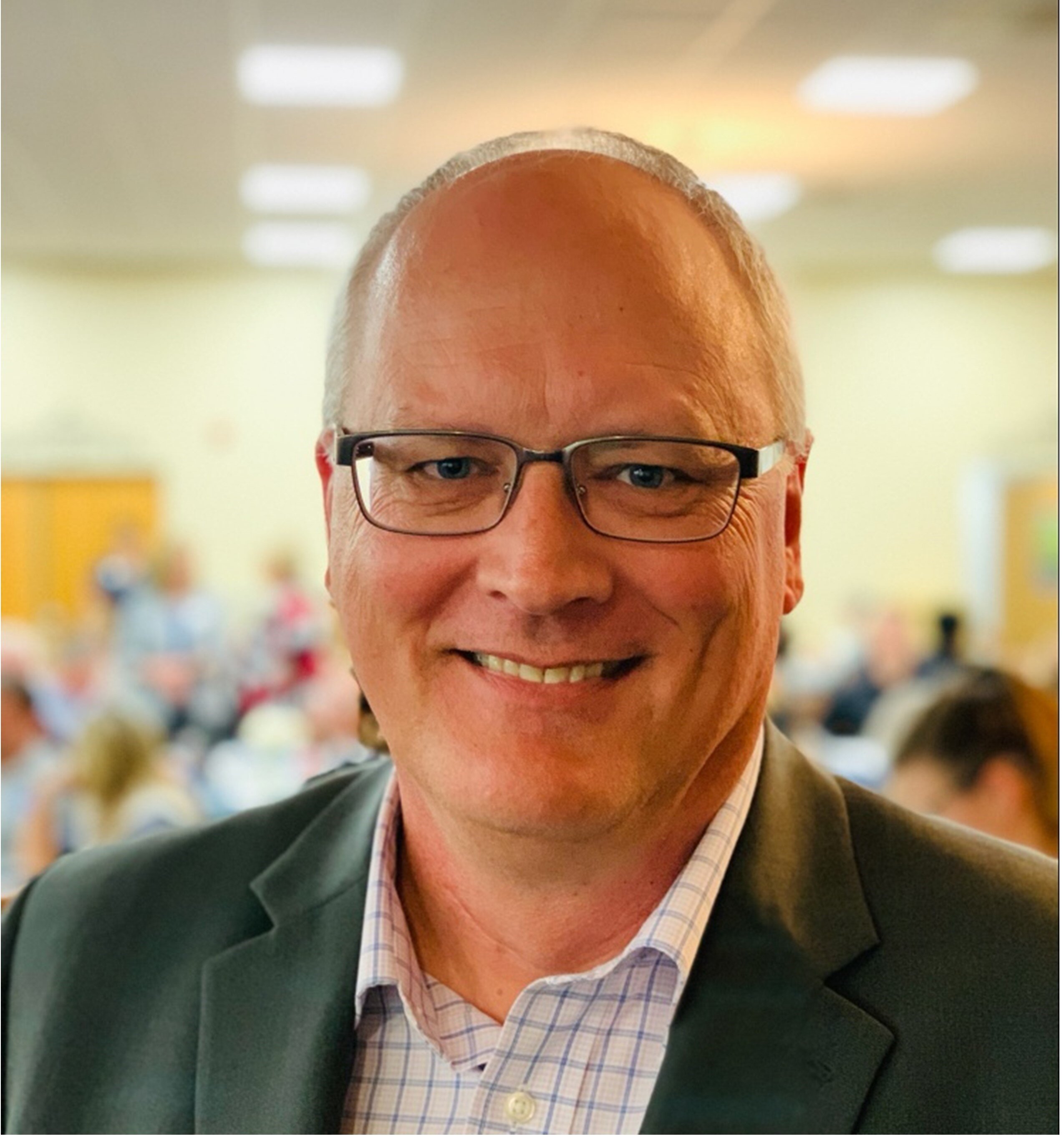
Another support for Michigan’s local health departments, the Michigan Association for Local Public Health (MALPH) is a voluntary association that currently represents their interests at the state level and individually through trainings and workforce assistance. Though the CDC has a standardized definition of public health, MALPH executive director Norm Hess has a unique perspective on public health and what it means to the State of Michigan.
“If you ask someone on the street what public health means, they probably only see one small aspect of it,” says Hess. “It’s usually broken into broader categories like communicable diseases, chronic diseases, reproductive health, STI care, environmental health … It’s pretty broad work.”
150 years and counting
Michigan’s public health systems have seen a number of successes throughout its 150-year history, some of which Hess writes of in an article in celebration of MDHHS’s 150th Anniversary. Many of these triumphs have led to not only the development of life-saving vaccinations and laws surrounding safer practices, but to the overall development of a local Michigan health department as we know them today.
“There are institutions that have been around so long, we sometimes forget what life was like without them,” Hess wrote. “As our communities have changed, the department has evolved its focus to address changing public and societal threats.”
Hess mentions how public health now more often addresses social determinants of health in addition to existing programs, that is, the circumstances or events which are not medical in nature but still impact the health of an individual and their community. Factors such as unemployment, impermanent housing, or unreliable transportation all impact the health of a community. This makes these factors a matter of public health.
Some limitations to public health exist, though, and must exist due to lack of funding or staff. Peter Jacobson, consultant for the Network of Public Health Law, Mid-States region, mentions that the “capacious” nature of public health often means individual health departments are required to “make trade-offs” in order to best serve their communities.
“You have to take so many things into account to decide what actions to take and when,” says Jacobson. “For example, HIV initiatives and maternal and child health are both defined as important public issues, but there isn’t enough money to cover everything. That’s where cooperation across agencies is essential.”
As crucial as public health is to a community, these institutions are led by human beings who are not always perfect. The pandemic is an example of a circumstance that led many public health departments to reevaluate the ways in which they release information regarding disease and disease prevention to the public. Jacobson mentions that even though public health officials may not always get things right, a look at Michigan’s public health history shows that Michigan most often does.
“To me, the key understanding is that public health is not a tyrannical force. It exists only to protect the health of the public,” says Jacobson. “The public needs to understand that the health department is there to identify potential threats to the public’s health and to either prevent them or mitigate them.”
Michigan’s Public health success — nothing to sneeze at
Thanks to the successes of Michigan’s public health system, life expectancy has increased by thirty years and deaths from diseases like diphtheria have plummeted. Vaccinations doctors still administer today were developed by Michigan researchers, according to Hess’s MDHHS article.
In “Michigan Public Health: The Last 50 Years,” the MDHHS recounts a number of these great strides in public health. Without Public Act 14 of 1987,today’s infants might not be screened for certain diseases that could greatly impact quality of life or even cause premature death. The introduction of the Michigan Disease Surveillance System (MDSS) and the Michigan Syndromic Surveillance System (MSSS) in 2004 and 2005 have made it possible for health departments to identify diseases and outbreaks faster. And MDHHS’s investigation, tracing, and vaccination programs during the thick of the COVID-19 pandemic was its largest and most wide-scaled in its 150-year history.
As science continues to progress and communities continue to evolve, it’s safe to assume that local public health in Michigan will continue to progress and evolve right alongside them. But in order for public health to see continued success, Jacobson has some advice for Michiganders.
“Become a participant in local public health,” he says. “Citizens need to take ownership of identifying problems, get the health department involved at an early stage when there are issues, and pay attention to public health orders and events.”
For more information on the history of public health in Michigan, visit michigan.gov/mdhhs.
Rylee Barnsdale is a Michigan native and longtime Washtenaw County resident. She wants to use her journalistic experience from her time at Eastern Michigan University writing for the Eastern Echo to tell the stories of Washtenaw County residents that need to be heard.
Photos courtesy American Public Health Association National Public Health Week.
Norm Hess photo courtesy MALPH.
Yours, Mine and Ours — Public Health is a series dedicated to uplifting important stories about public health issues and solutions occurring across Michigan. The series is supported by the Michigan Association for Local Public Health.
Related Articles

Equest Center highlighted as Bank of America boosts year-round community support
Bank of America’s Day of Giving showcases its ongoing volunteer partnership with Equest Center; Lakeshore Advantage selected as bank’s 2025 Neighborhood Builder.

Retailer Hank Meijer shows off his storytelling talents at Dutch American celebration
At Dutch-American Heritage Day, retailer leader and author Hank Meijer reflects on family stories, immigrant roots, and the legacy of Fred and Lena Meijer.

It’s hard for foster kids to get the health care they need, but this project is working to change that
A Grand Valley State University project is working to create an integrated mobile care team to serve foster kids’ complex health needs.