A place to call home: How refugees are rebuilding lives in West Michigan
As the Trump administration fights to keep refugees from entering the United States, a different story is playing out in West Michigan: one of love and inclusion. In our community, residents are banding together to support refugees who are doing everything from starting their own businesses to working with children from countries torn apart by war.
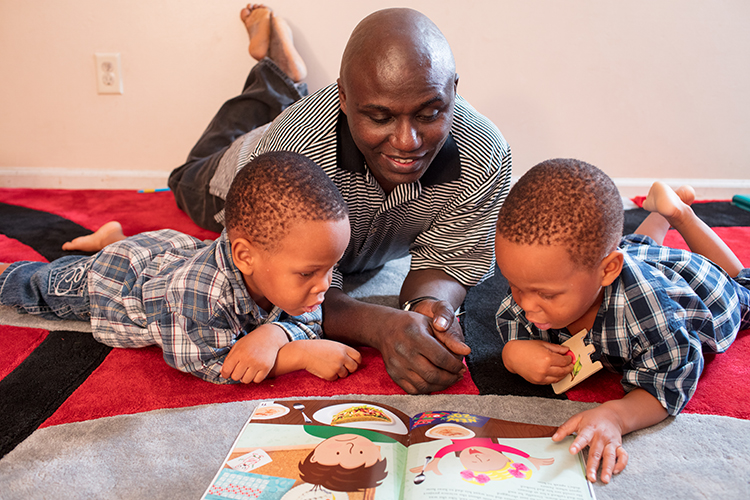
Tetusa Ndalamba remembers the moment he arrived in the United States like it was yesterday.
It was Dec. 3, 2012. He had just taken his first airplane ride,traveling from a refugee camp in Malawi to South Africa, New York City, Chicago, and, finally, Grand Rapids.
“It was my first time flying, and it was scary,” Ndalamba says, his hands gently folded on a wooden dining table at his home in Kentwood. “I was praying in the airplane because I was missing my wife and kids; I needed to see them. I kept saying, ‘I’m going to see my wife and kids; I’m going to see my wife and kids; I’m going to see my wife and kids.’”
It had been two years since Ndalamba had seen his wife, Sara Zainabu, whom he had fallen in love with and married while living at a refugee camp in Tanzania, and their six children, currently ages 18, 16, 14, 12, 10, 8. (They now have another child, who is 4 years old.) It was the most important thing to him, to see them again — and begin a new life in a place called Michigan.
The surrealness of the trip was almost overpowering, he explains, remembering the African continent disappearing into the distance as he made his way to Grand Rapids and then Kentwood, places a little more than 8,500 miles from his hometown of Mulongo in the Democratic Republic of Congo, a city where he grew up playing soccer (he loved offense the most and was so skilled that he played on a team that competed in other countries) and fishing in Lake Kabamba with his big brother. It was there in Mulongo that he followed in the footsteps of his mother, who worked at a hospital, and launched a career in healthcare, graduating from nursing school in 1994, two years before his country would erupt into the deadliest war in modern African history.
And it was from there that he, at the age of 29, fled in 1997 in order to escape a war that caused at least 5.4 million deaths, according to the International Rescue Committee. Ndalamba was one of about two million people who were displaced by the conflict in the DRC and sought refuge in nearby countries; for close to two decades, he lived in a refugee camp, first in his home country’s neighbor to the east, Tanzania, and then in Malawi. In both camps, he continued to work as a nurse, treating those who have seen the worst of humanity: war, starvation, persecution, violence that consumed their country, that killed their parents and siblings and closest friends, that shattered any sense of safety and left them without a place to call home.
“People who are living in refugee camps have a miserable life,” he says. “They are living not like prisoners but like slaves. In the camp, they are facing many problems. They don’t have enough food; some are malnourished; kids are dying because they don’t have enough food. Many, many problems they are facing. When America opens their doors to refugees, it is like Christians going to heaven. Be glad you have never been a refugee; it is a horrible life.”
After living in a refugee camp for 17 years and going through an extensive, two-year screening process to be accepted into the U.S., which involved the FBI, the U.S. State Department, the U.S. Department of Defense, and others (you can see a more involved explanation of the incredibly in-depth screening process here), Ndalamba finally heard the words for which he’d been waiting: you’re going to the United States.
“It was surreal,” he says. “I did not believe it was happening until I was here, until I saw my wife and children. I kept telling myself on the plane, ‘I’m leaving this life to start a new life. A new life. A new life.’”
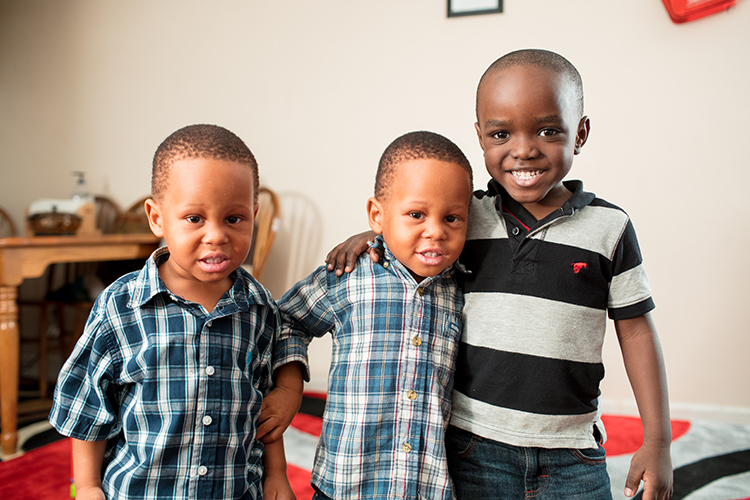
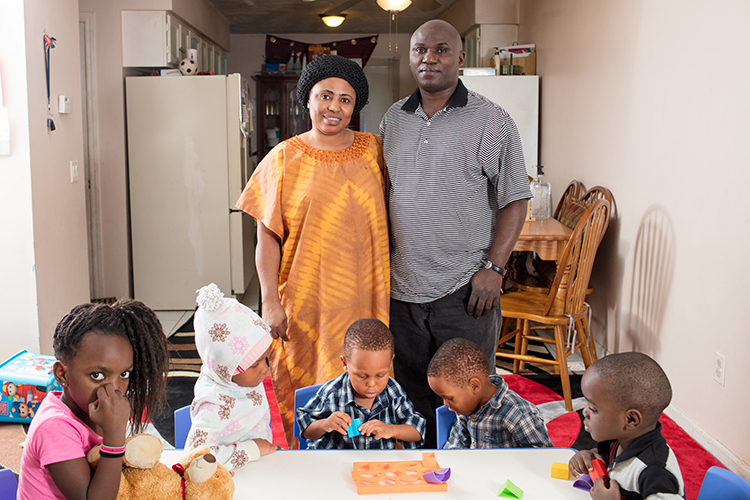
And he has, indeed, begun a new life. At his Kentwood home, Ndalamba has been able to build upon his passion for helping others: since 2015, he has, with support from Bethany Christian Services, founded and operated a daycare center that now provides services for seven Congolese children who too came to the U.S. as refugees, or whose parents did. He and his family work as volunteers to welcome and support refugees when they arrive in the United States. At his church, the Cornerstone United Methodist Church, he and others are planning to start a refugee support organization. Still, his former life, the days in countries thousands of miles away, does not always seem so far, and he often turns to WhatsApp and Facebook messenger to reach his family, including his brothers and sisters, who are living in the Congo and in refugee camps in Tanzania and Malawi. Almost all of his family live in these countries; of his family members, only his cousin has been accepted into the United States.
“They are praying every day to come over here,” he says of his family. “We are praying for them to come to America.”
A new life, and a new political reality, in the United States
One of a couple hundred individuals who resettle in Michigan from the DRC each year, Ndalamba’s story is a familiar one to the thousands of refugees who annually arrive in the state. [There were 3,243 refugees who resettled in Michigan in 2015, the most recent year for which statistics are available, out of a total of 140,083 refugees who came to the U.S. that same year, according to the U.S. Office of Refugee Resettlement.]
Hailing from around the globe, refugees in West Michigan once led lives not so different from our own: they were going to school, running businesses, starting families, taking care of elderly parents, dancing with friends, swimming with brothers. Then came situations far outside of their control, and their worlds were turned upside down. Wars reduced hometowns to unrecognizable rubble. Violence that no human being should have to experience arrived at their front doors; family and friends were killed, sometimes in front of them. And so, to save their lives and the lives of those they loved, they had to flee the places many of them had forever called home. After waving goodbye to cities and towns they may never see again, they arrived at refugee camps, where they often faced further trauma.
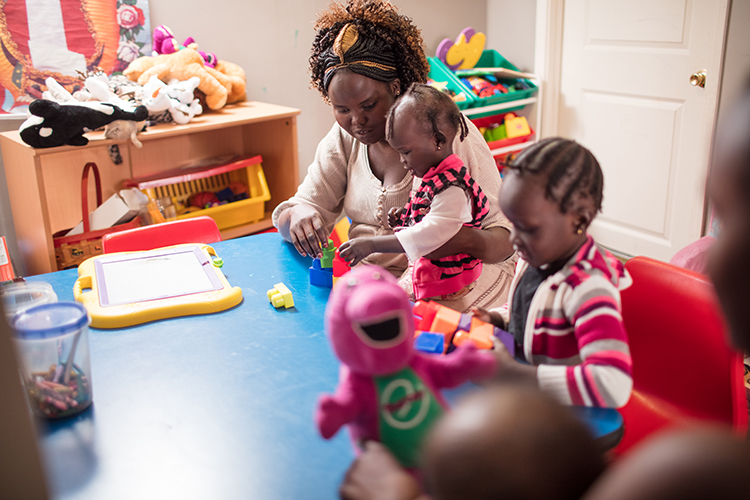
“These are people who’ve endured horrific things, extremely traumatic events,” says Kristine Van Noord, the program manager of the Refugee Adult & Family Programs at Bethany Christian Services, one of the major groups working with refugees in the Grand Rapids area. “Many times, the refugee camps they’ve fled to are very unsafe, people are malnourished, and people are unable to receive the education they need. Their only hope at a future is to resettle in a third country [the first two countries are their home country and the country to which they flee]. Out of 21.3 million refugees in the world, less than 1 percent will be resettled in a third country.”
Of those who end up being resettled, they have to go through a vetting process that typically takes between 18 months and two years before arriving in the United States.
“It involves multiple interagency checks, biometrics, interviews — so many different pieces involving the FBI, the State Department, Homeland Security, and many other agencies,” Van Noord says. “It’s the most in-depth process for any visitor to the United States, and the most in-depth in the world. We’re uncertain about how this screening process could get more in depth or rigorous than it already is.”
The emphasis on just how thorough this process is comes after U.S. President Donald Trump at the end of January issued an executive order banning citizens from seven predominantly Muslim countries — Iran, Iraq, Libya, Somalia, Sudan, Syria and Yemen — from entering the United States for 90 days. The same order also suspended all refugees from the U.S. for 120 days. The executive order indefinitely banned Syrian refugees.
This, however, was short lived, and last Thursday, Feb. 9, a federal appeals panel in San Francisco unanimously rejected Trump’s attempt to reinstate his travel ban after a federal district judge, James Robart, blocked the president’s ban, deeming it unconstitutional.
The order, which Trump said in a press statement was “about terror and keeping our country safe,” prompted immediate outcry, with protesters flooding airports and streets from coast to coast in the U.S., including at the Gerald R. Ford International Airport in Grand Rapids. Garnering vehement criticism from such technology giants as Apple and Facebook, which employ numerous people impacted by the ban, to politicians on both sides of the aisle, the executive order also incurred harsh words from Michigan legislators, including Democratic U.S. Sens. Gary Peters and Debbie Stabenow and U.S. Rep. Justin Amash, a Republican.
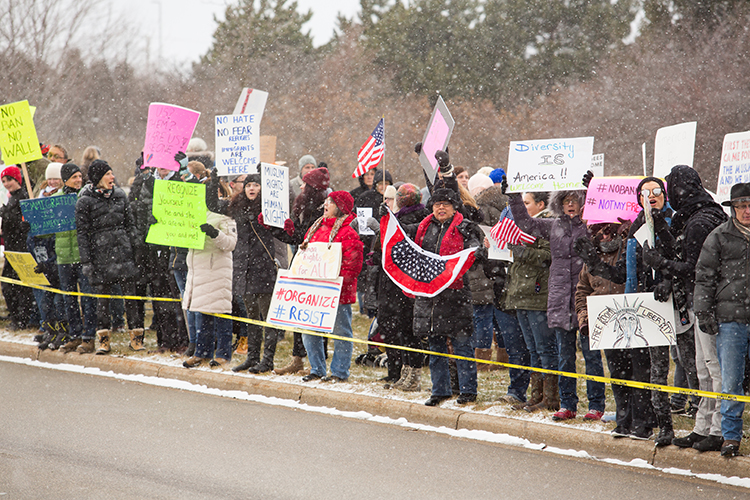
Through Twitter, Amash pointed to a report from the CATO Institute, a Libertarian think tank based in Washington D.C., that noted the chance of an American being murdered in a terrorist attack caused by a refugee is one in 3.64 billion per year. On both his Twitter and Facebook accounts, Amash says Trump’s executive order “overreaches and undermines our constitutional system.”
“It’s not lawful to ban immigrants on the basis of nationality,” Amash writes. “If the president wants to change immigration law, he must work with Congress.”
In addition to prompting protests and widespread criticism, the ban caused chaos and confusion around the globe. People who had already arrived in, or were en route to, the U.S., including green card holders who’d lived in the United States for decades and refugees who had been vetted and approved for arrival, were denied from entering, with numerous people being detained at airports — including an Iraqi translator who worked for the U.S. military, medical researchers and children, among many others.
For refugees, including those slated to come to Michigan, the ban not only kept them from entering the country after months upon months of being vetted, it also re-traumatized individuals.
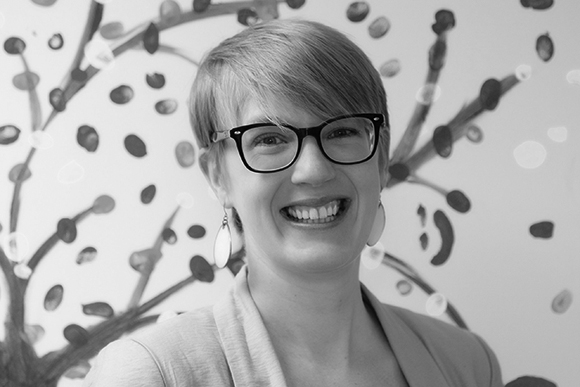
“If you’ve ever heard a refugee talk about their experience being vetted to come to the United States, it’s a really hard thing,” says Susan Kragt, executive director of the Kentwood-based Refugee Education Center, which works with refugees in and around Grand Rapids. “People have to prove they have well-founded fears of being harmed. So many people have had to experience actual traumatic events; they’ve lost a loved one, people came to their house in the middle of the night [to harm them or family members]. They have to tell that story multiple times, which is traumatizing. All of their deepest, darkest secrets are looked into multiple times, by the United Nations, by the U.S., by counterterrorism organizations.
“Then, they get here, and now we’re saying, ‘Well maybe you’re not who you say you are,'” Kragt continues to say in an interview just before the executive order was blocked. “These are the people who have been actual victims of ISIS who are now being told they’re ISIS. If a child is abused by the father, would you say, ‘Well, we don’t believe you, and we think you’re the abuser?’ No, you wouldn’t.”
In Grand Rapids, refugees who had passed the vetting process and were expected to come to the city, including the family members of refugees already living here, had to be told they would not able to come.
“The U.S. has an extremely long and beautiful history of welcoming refugees; we’ve been working with refugees for over 40 years at Bethany,” Van Noord says in an interview just prior to the ban being blocked. “It’s at the core of who we are as Americans, so this is devastating.
“I was just on a phone call with a man whose Syrian mother was supposed to come to Grand Rapids on Feb. 7 can no longer come,” Van Noord continues. “This is dividing families, families who were planning on being reunited. I spoke to Syrian families whose daughter and only grandchild can’t come. This is heartbreaking. They’re in very difficult situations overseas that are unsafe and unstable.”
Once the federal judge halted the ban, refugee organizations in West Michigan and across the country scrambled to ensure the people who had been slated to arrive would be able to come before the political situation potentially changed again.
“Advocacy is making a difference,” Van Noord says following the ban being overturned. “[The refugee resettlement program] is a lifesaving program. Even if we just get a few more people in, those lives are saved, and people can be here to have a chance at a future in the United States.”
While refugees and their families, along with nonprofits and other advocates, are thrilled that Trump’s ban was stopped, the president’s executive order has created an atmosphere of uncertainty and fear in the community, individuals who came here as refugees tell Rapid Growth.
“People will say that Trump will chase refugees back to their country, especially those from Africa,” Ndalamba says. “This would be horrible. It’s important that Americans accept people to come here, from Africa, from Burma, from everywhere. They need asylum. If the government can hear me: let the refugees come to America.”
In Grand Rapids, fighting the ban & embracing newcomers
Michigan has long been one of the top 10 states in the country to welcome refugees, and West Michigan plays a major role in the state’s resettlement efforts — these efforts have led to about 25,000 refugees now living in the area. Our community can trace its large scale efforts to resettle refugees to the 1950s, when individuals from Hungary began arriving en masse following World War II and the beginning of the Cold War. Not long after that, the region opened its arms to refugees from Vietnam in the 1970s, and today’s newcomers come in large part from Burma, Bhutan, Iraq, Somalia, Congo, South Sudan, Syria, and Afghanistan. With an extensive history of welcoming refugees into the area, it came as no surprise that community members, including Grand Rapids Mayor Rosalynn Bliss; refugee resettlement leaders from places like Samaritas, Bethany Christian Services and the Refugee Education Center; and everyday citizens threw their support behind their refugee neighbors following Trump’s executive order.
Thousands of people have attended rallies at the Gerald R. Ford International Airport, and this advocacy has made a difference, both in terms of pressuring federal policy makers to condemn the ban and in making refugees feel welcome and supported.
“While Trump was saying, ‘They need to go somewhere else; they don’t have a future here,’ luckily a lot of the American people went out to demonstrations to speak up and reassure refugees, and immigrants in general, that this is not who Americans are is not what we stand for,” says Sam Attal, who left Syria for the U.S. decades ago and works closely with the refugee community in West Michigan.
Van Noord too stresses the importance of these gatherings to refugees in the community.
“I talked to people about the demonstrations at the airport,” she says. “It’s important for them to realize that despite what they might hear from the news or President Trump himself that there are many American people, including here in West Michigan, who are welcoming them.”
Agreeing the demonstrations are crucial, Kragt notes a continued vocal opposition to Trump’s ban, and anti-refugee sentiments in general, is vitally important, in West Michigan and throughout the country.
“There’s the saying, ‘think globally and act locally,’” Kragt says. “It’s important to think of this at a global level, national level, but look at what you can do locally. Go to rallies, call your representatives, give involved with volunteering and donating.”
Of course, supporting individuals who are refugees goes far beyond rallies: it is about backing a city, and country, that truly empowers someone to have a better life, including with housing, jobs, education, and more. In the greater Grand Rapids area, that’s happening in a myriad ways, including with support for individuals to build careers and start their own businesses.
Refugee-run businesses in & around Grand Rapids
Ndalamba is one of 20 individuals in the Grand Rapids area to receive certification to run a daycare center as part of a program through Bethany Christian Services, an organization that resettles hundreds of refugees in West Michigan each year. Annually, the organization, which is headquartered in Grand Rapids, serves approximately 800 refugees through employment programs, healing centers, and more.
Thanks to a two-year grant that Bethany received in 2014 from the Office of Refugee Resettlement, the organization has been able to provide training to refugee men and women to become licensed childcare providers and begin their own businesses. Kim Sturgeon, the coordinator for Bethany Christian’s Hands Connected Childcare Program, notes the initiative had two main goals: to provide opportunities for refugees to launch businesses and to “work towards self sufficiency and support their families.”
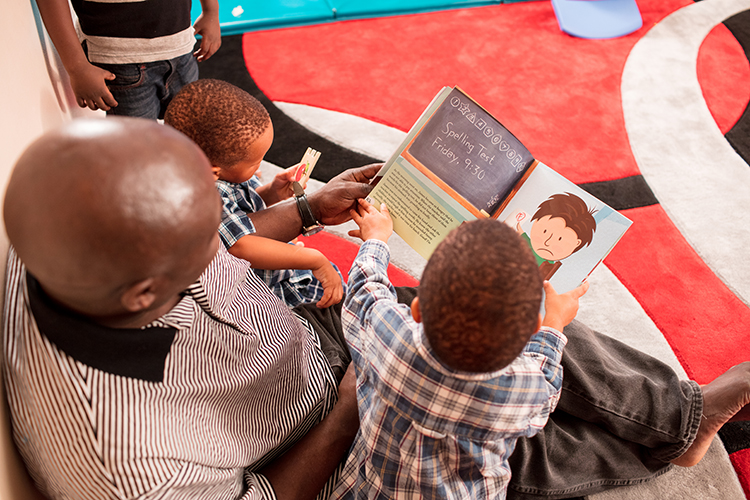
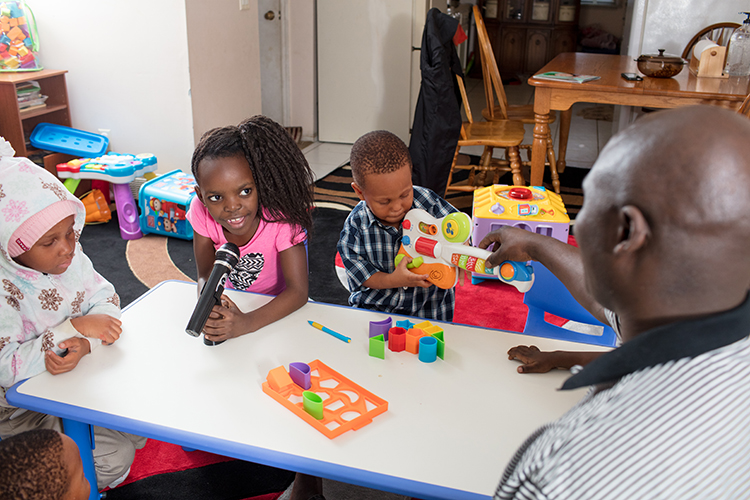
The 20 people — 19 women and one man — who completed the program and received their daycare license, are from Burma, the DR Congo, Sudan, Somalia, and Iraq. They all care for children who are refugees, or whose parents are refugees, creating a much-needed support network for younger residents and their families. Many of the providers, for example, speak as many as seven languages — which means they can communicate with their daycare center’s children in their first language, an incredibly helpful tool as the children learn English. And it’s not just language support they bring to the table: they understand the trauma many of the children have been through, and they are trusted by the children’s parents, who they can also help connect to various resources in the community.
“It’s not just a job; they’re doing it because they care about these families,” Sturgeon says. They care about these children, and they’re working to support their families and better themselves. It’s a great example and an inspiration.”
It is the stories of people like these daycare providers that Sturgeon hopes everyone truly hears, particularly individuals who may not yet be supportive of refugees in our community.
“Once you know people, once you connect and take the time to hear someone’s story, you just can’t walk away from it,” Sturgeon says. “You see they are loving individuals and parents who want what’s best for their children; they want to start a new life for their families. They want to contribute to the community.”
From the Sudan to Grand Rapids: Ajah Aguer roots herself in caring for others
Ajah Aguer, who graduated from the Bethany Christian program and now runs a daycare in Grand Rapids, was five years old when she and some of her family left the Sudan in 1991. One of the world’s longest civil wars, which the United Nations reported killed about two million people, drove Aguer and her family from Africa’s largest country, a place of dramatic landscapes where the White Nile and Blue Nile join as the Nile River that flows north to Egypt. Approximately four million people in southern Sudan were displaced during the war that lasted from 1983 to 2005, including Aguer, who fled to a refugee camp in Kenya.
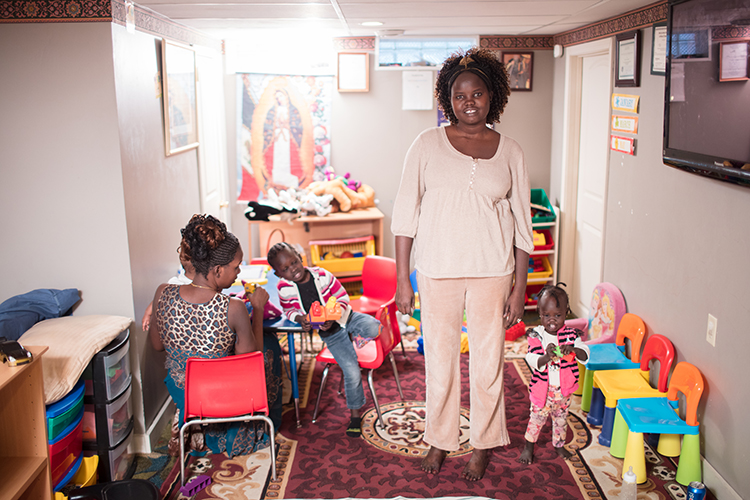
“In the refugee camp, there was not enough food. We’d pray America would open the doors for us,” Aguer says in her family’s living room, a meticulously decorated place filled with red couches and picture frames. “In the refugee camp, when you wake up, you’d go to school sometimes; sometimes we wouldn’t have school if they hadn’t paid the teachers.
“You wake up and don’t know if there will be food,” she continues. “We’d pray God will protect us; we spent most of our time in church praying. You don’t have anything to do, no job; you don’t know what to do. Sometimes it is really hard; you have no food, no water. Every day people die because there’s nothing to eat, to drink.”
Then, on March 7, 2005, life changed: Aguer and one of her sisters came to the United States. She first lived in Phoenix, Arizona and then Grand Rapids.
“We thank God we came to America,” Aguer says. “We have enough food here; we thank God for that.”
In 2015, Aguer, who is married to a man also from the Sudan and has five children, opened her daycare center and now cares for children who too are refugees.
“I love kids; I always wanted to take care of kids,” Aguer says. “For the parents, we take care of their children while they go to [English as a Second Language] classes.”
Taking care of children and supporting their parents is a major part of Aguer’s perspective on life: “I help you; you help others. If we help each other, God will bless us.”
While the road to opening her own daycare was far from easy, she said she felt fortunate to connect with Bethany Christian Services, which has not only helped her with starting her daycare business but with adapting to life in Grand Rapids.
“Kim [Sturgeon] always comes to the house whenever we have a question; she comes here whenever we need anything,” Aguer says.
Now, Aguer is hoping other family members are able to leave the Sudan, where some of her brothers and sisters are still living, and the refugee camps in neighboring countries, where other family members, including her mother, are residing and come to the United States. One of her sisters just recently arrived as a refugee in Alaska, and Aguer is hoping to soon see her.
“I got to speak to her, and she said, ‘There’s something white outside, and I said, yes, that’s snow,” Aguer says, smiling. “It’s hard, when you first get here. Things take time. You go to school. You learn the language. You get a job. You save money. You go to driving school. You go slow, slow, until you reach your goal.”
For Aguer, she continues to build upon that goal: now that she’s opened a daycare center in her home, she’s hoping to expand and open a larger center someday. The fact that she has these dreams is, she says, something she had almost given up on. These days, real life and dreams can intertwine, and she focuses on a life filled with love and laughter and music.
“I love music; I love to dance — I dance with the kids,” she says. “I love to sing; I love to play basketball. I go to church every Sunday. It is all so much.”
After Burma, building a life in Kentwood
“This is my life; I love this job,” Nan Sai says, waving her hands around a basement where four small children, including her nearly 3-year-old daughter, diligently work on colorful art projects in a Kentwood basement exploding with books and musical instruments.
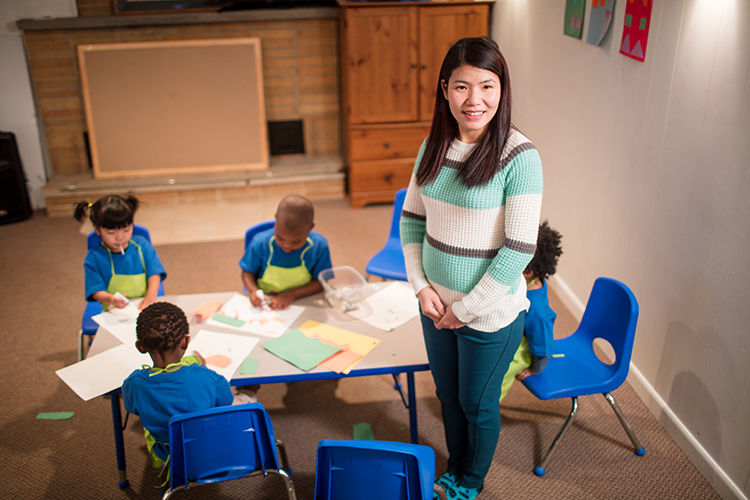
Nan Sai was 18 years old when she left Burma, also known as Myanmar, to go to Malaysia in order to escape a country where decades of militarization left millions of people searching for better lives elsewhere.
“When the U.N. told me I was coming here, it was so exciting,” she says. “Even though it was scary — the talking is different, the food is different, everything is different — we thought America was heaven.
“In Myanmar, there’s no electricity, no cars, no food, no clothes,” she continues. “They don’t think they need to do anything for the future. We needed life.”
Six years ago, Nan Sai moved from Malaysia to Michigan. Now married to a man with whom she grew up, she has three children, ages 7, 5 and almost 3, and she, like so many others, hopes her family in Burma will someday be able to meet her children. Her parents and brother still live in her home country, and she can only speak to them about once a year on the phone.
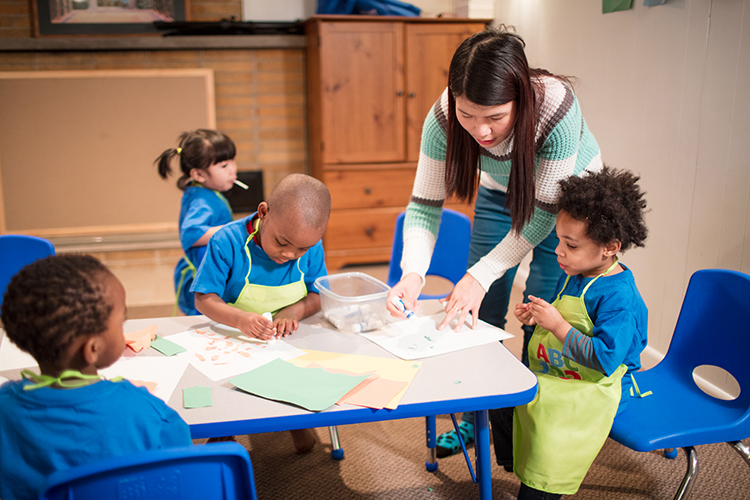
“I miss them,” she says. “My love for learning and teaching comes from my dad; my dad is so smart, one of the smartest people I know.”
It’s clear she takes after her father: Nan Sai never stops pushing herself.
“I love going to ESL classes; I love learning,” she says, adding that if she could tell Trump anything about herself and refugees, it would be this: “Thank you so much for inviting us to America. America gives us a big life. I cannot say how big that is. My country [Burma] is very difficult. We love America, and I hope America loves us.”
How you can support refugees in GR & West Michigan
If you aren’t already involved in supporting, and getting to know, the approximate 25,000 refugees in our community, there are many ways for you to do so. Bethany Christian Services, the Refugee Education Center and Samaritas are always looking for volunteers for everything from tutoring to driving people to medical appointments. If you don’t have time but have the resources, donations are also appreciated.
You can also learn more about the global refugee crisis, the refugee selection and vetting process, and ways to support refugee friends and neighbors at the Refugee Education Center’s event this coming Monday, Feb. 20 from 6-8pm at the Catholic Diocese of Grand Rapids. The program is free, but there is a suggested donation of $10, which will be used to support refugee children and families in our community. For more information and to register, please go here.
Additionally, Bethany Christian’s Hands Connected program will be collecting children’s books to distribute to refugee children in West Michigan. Please contact the program coordinator, Kim Sturgeon, at ksturgeon@bethany.org for a list of suggested book titles, along with other suggestions for how you can get involved.
Anna Gustafson is the managing editor at Rapid Growth. Connect with her via email (AKGustaf@gmail.com) and on Facebook, Twitter and Instagram.
Photography by Bird + Bird Studio.
Related Articles
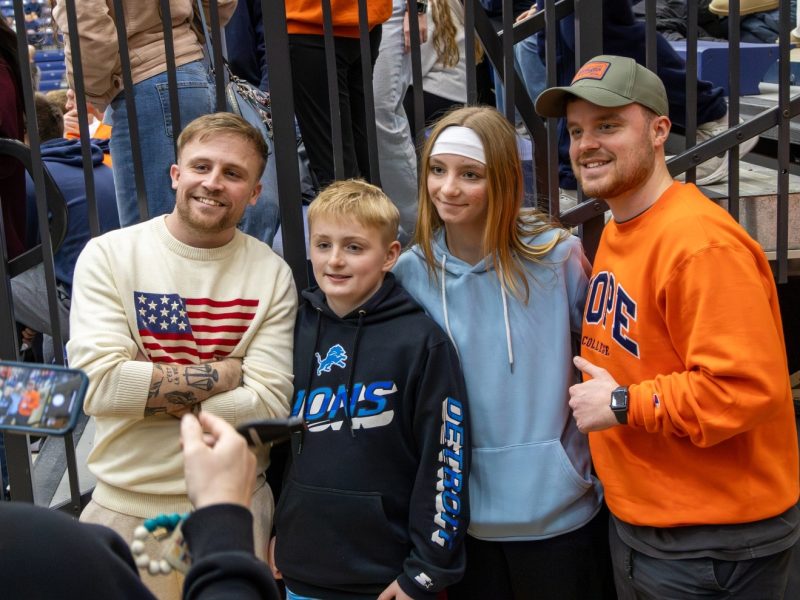
Two British influencers explore what makes Michigan “special”
Sometimes it takes outsiders to remind us how extraordinary our everyday really is. Thanks, Josh & Jase.
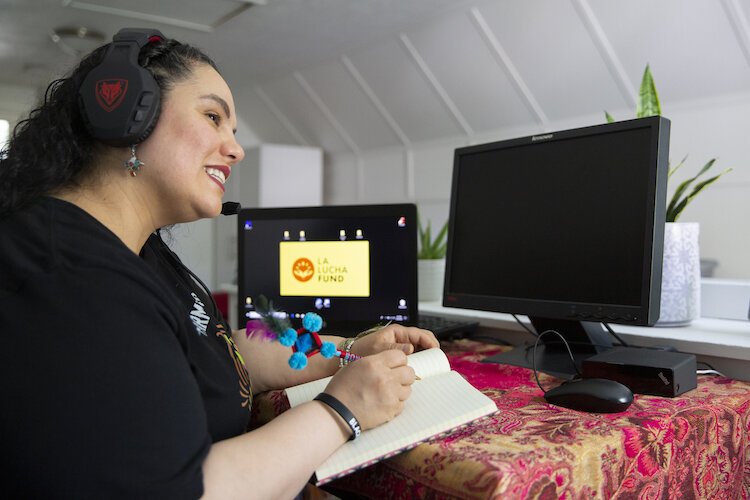
#RG20LookBack: La Lucha Fund supports undocumented and mixed-status families
Celebrating 20 years, we revisit a 2020 story where La Lucha Fund and partners created direct cash relief for undocumented Kent County families excluded from CARES Act aid.
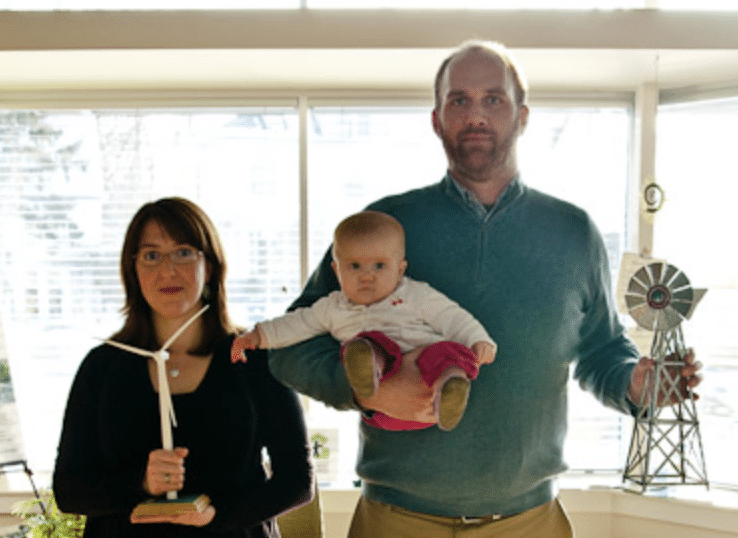
#RG20LookBack ‘A Family Loving Environment’
As Rapid Growth marks its 20th anniversary, we’re revisiting archival stories that captured cultural shifts in our community. The 2010 snapshot of Rachel Hood and Dave Petroelje, brand-new parents making climate, clean energy, and public health relatable to families, still resonates today.