
Inventor helps health clubs and hotels save money by reducing towel theft with Towel Tracker
Reducing towel theft in fitness centers and hotels means more than big savings for the owners; it also means substantial reductions in water, electricity and detergent consumption. Byron Center-based entrepreneur Steven Molewyk has developed an environmentally sustainable technology to help fitness centers and hotels improve their towel management service. It’s all possible because of a washable radio frequency identification (RFID) tag the size of a paperclip. According to Molewyk, Towel Tracker has been in development for “about three and a half years,” saying it has been a difficult and expensive road to bring his product to the market. “We are working with a new technology that no one has dealt with before and we have a totally revolutionary way to deal with the problem of towel theft,” he says. Molewyk’s inspiration came from a local health club owner who grew weary of members stealing an average of 3,500 towels a month from his facility. Stolen towels cost the business approximately $50,000 year — “People don’t realize how much is stolen from health clubs,” Molewyk says. Besides reducing theft, Towel Tracker also has the potential to reduce excessive usage as customers are more apt to use less towels knowing they will be responsible for their return. This in turn leads to less use of water, detergent and electricity. Molewyk indicates he is in discussions with many companies “from all around the world” for his product. For more information on Towel Tracker, you can visit the website. Source: Steve Molewyk, Towel Tracker CEO Writer: John Rumery, Innovation and Jobs Editor
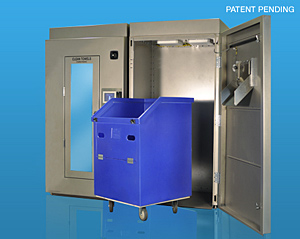
Reducing towel theft in fitness centers and hotels means more than big savings for the owners; it also means substantial reductions in water, electricity and detergent consumption.
Byron Center-based entrepreneur Steven Molewyk has developed an environmentally sustainable technology to help fitness centers and hotels improve their towel management service. It’s all possible because of a washable radio frequency identification (RFID) tag the size of a paperclip.
According to Molewyk, Towel Tracker has been in development for “about three and a half years,” saying it has been a difficult and expensive road to bring his product to the market.
“We are working with a new technology that no one has dealt with before and we have a totally revolutionary way to deal with the problem of towel theft,” he says.
Molewyk’s inspiration came from a local health club owner who grew weary of members stealing an average of 3,500 towels a month from his facility.
Stolen towels cost the business approximately $50,000 year — “People don’t realize how much is stolen from health clubs,” Molewyk says.
Besides reducing theft, Towel Tracker also has the potential to reduce excessive usage as customers are more apt to use less towels knowing they will be responsible for their return. This in turn leads to less use of water, detergent and electricity.
Molewyk indicates he is in discussions with many companies “from all around the world” for his product.
For more information on Towel Tracker, you can visit the website.
Source: Steve Molewyk, Towel Tracker CEO
Writer: John Rumery, Innovation and Jobs Editor
Author

Related Articles

#RG20LookBack: The Grand River is having the moment we imagined—together
In his 12th #RG20LookBack column, Rapid Growth publisher Tommy Allen revisits the 2008 story, “A River Runs Through Green Grand Rapids,” which now reads like an early spark for everything unfolding along the Grand River today.

How a sisterhood of dentists is expanding public health across Metro Detroit
A collective of African American women dentists delivers public health care, mentorship, and trust to underserved patients across Detroit, Wayne County, and Macomb County.

Fewer options, fuller ERs: The behavioral health fallout of Medicaid cuts
MHA advocates for state funding that preserves behavioral health care and keeps rural hospitals open.


