
From moonlit dinners to WMAAA leadership: Yilin Wendland-Liu builds community
Scholar Yilin Wendland-Liu’s journey from rural China to West Michigan leadership, embracing identity, empowering youth, and strengthening Asian American community connections.
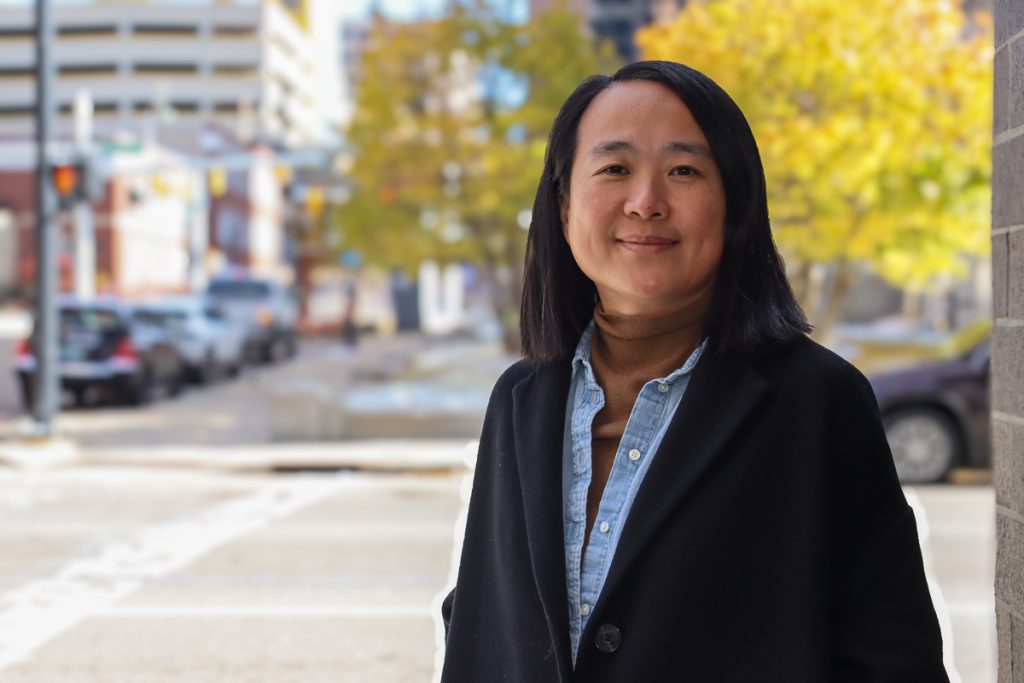
While growing up in China, Yilin Wendland-Liu recalls, she often stayed at her grandparents’ home in the summertime, eating dinner outside in the backyard, illuminated only by the dimming evening sky. After the meal, against the stars and the moon, her elders would tell ghost stories.
Her grandfather farmed soybeans, corn, and wheat that her grandmother used to make goods such as steamed buns, noodles, and dumplings, which they sold at the local market and ate during their twilight, open-air meals.
However, it wasn’t until she moved away that her connection to her heritage evolved and deepened. During her academic journey, Wendland-Liu became more curious about her cultural identity.
“Living in China as a non-immigrant, I was never challenged with questions about my identity,” Wendland-Liu says. “After I graduated and got my BA in China, I went to Europe, where I studied in Germany for three years. While overseas, being away from my home country was the very first time my identity was challenged.
Delving into own culture
Wendland-Liu continued her studies at the University of Wisconsin-Madison, where she earned her doctorate in culture and language and acclimated to her new surroundings in the United States.
“I started to shift my study and research to focus on who I am. I studied Chinese literature, religion, cultural practices, and language. My culture is now a part of my identity. It informs who I am and what I want to do here in this community.”
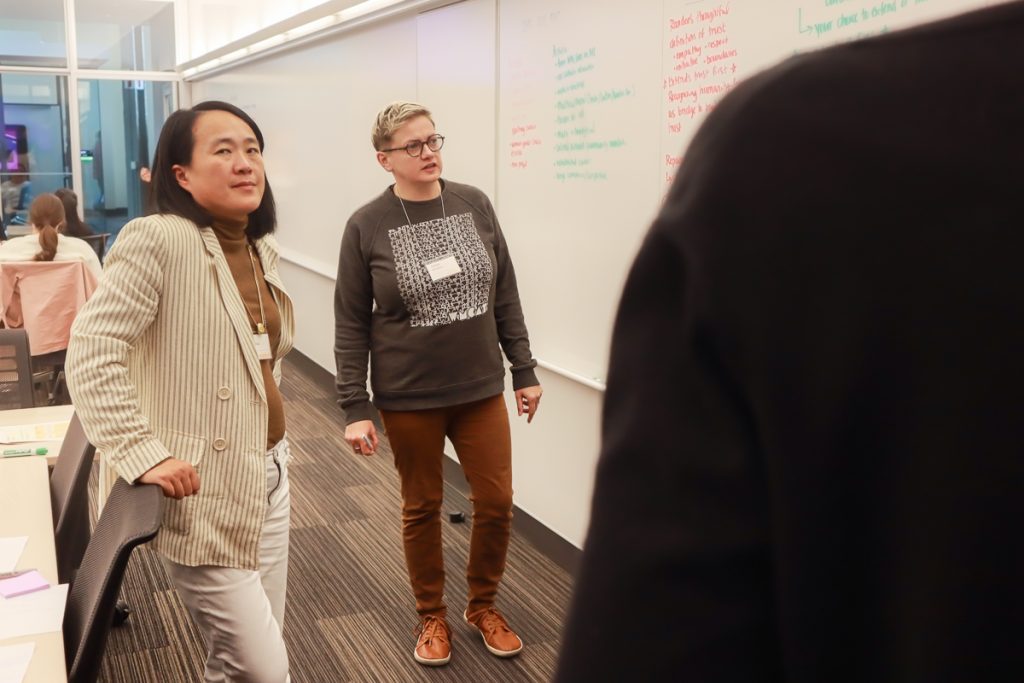
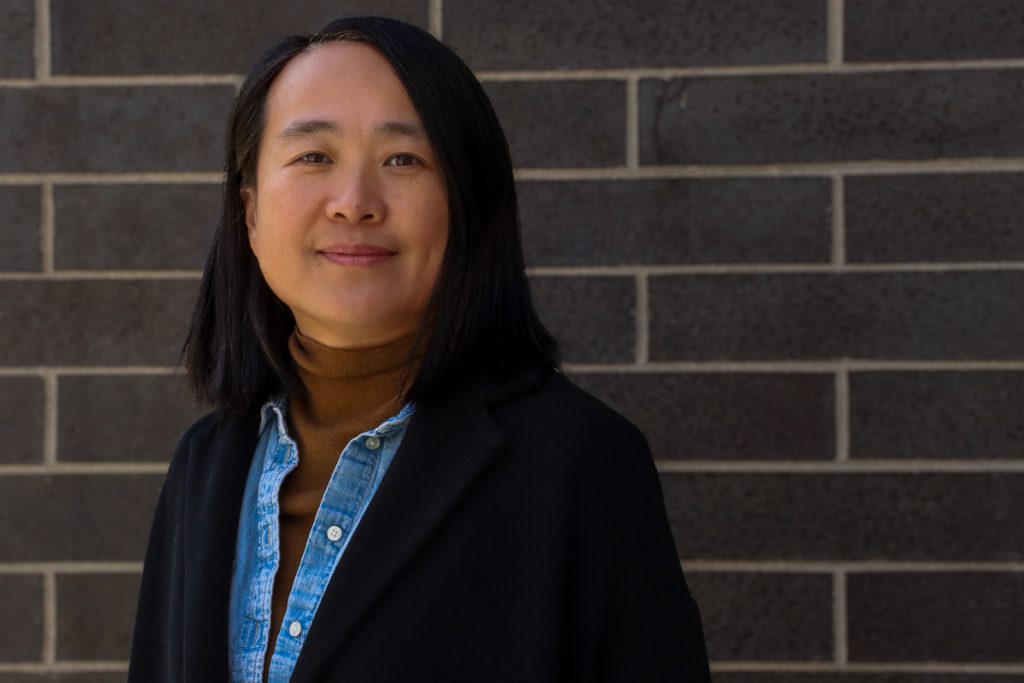
In June, Wendland-Liu was appointed as the first executive director of the West Michigan Asian American Association, a non-profit that aims to build a collaborative, active, and committed Asian American community in West Michigan. This follows her most recent role as adult tutoring program director at the Literacy Center of West Michigan.
Years later and thousands of miles away from those outdoor evening dinners with her grandparents, Wendland-Liu embraces her multicultural identity as a catalyst for connection.
“As an Asian American, I’ve felt marginalized and stereotyped before with all of these different labels,” she says. “I feel like I carry them every day. Some of those labels might be very heavy, some of them may be very negative to wear. But I do feel like they’re part of me and how I’m perceived.
“At the same time, I am very empowered every day to carry those labels around me because I truly believe this country, this culture, really is a very diverse place. Only when everybody can have the platform to demonstrate their differences can we be stronger as a whole – as a country, as a culture.”
Academic, leadership history
Wendland-Liu brings experience in academic and leadership roles, including positions as a visiting professor at Grand Valley State University, provost and principal of the Grand Rapids Chinese Language School, and co-president of the WMAAA. She is a fellow of the W.K. Kellogg Foundation Community Leadership Network and a member of the Kellogg Foundation Global Fellow Network.
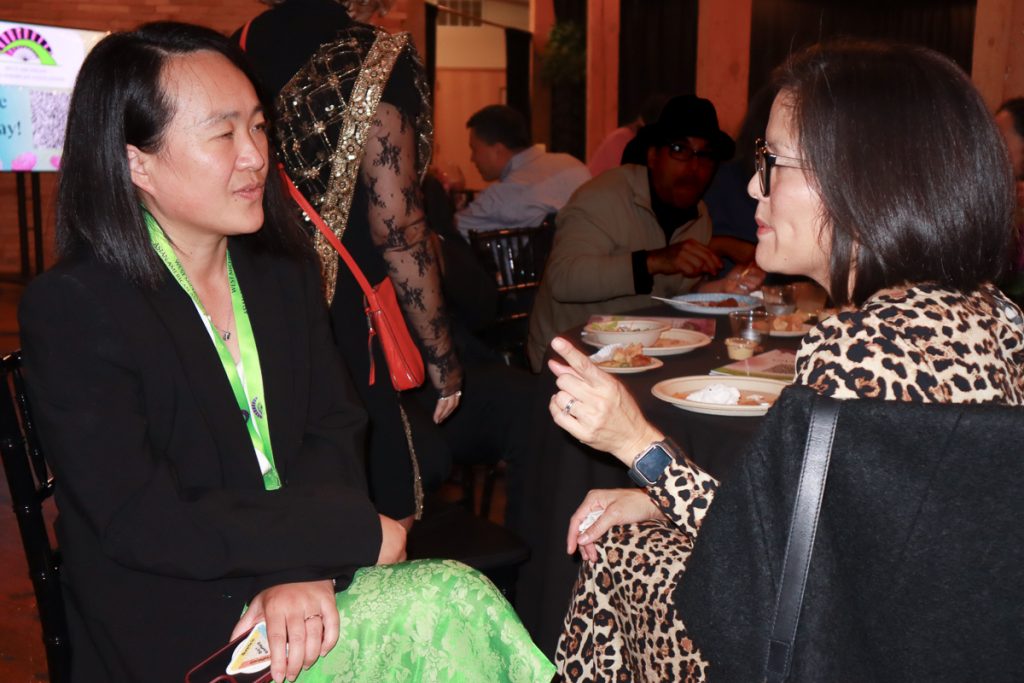
“We felt like it was time for us to hire someone younger, with greater energy, and also a different vision for how we can grow the organization,” says Bing Goei, a member of the WMAAA board of directors and a founding member of the organization.
“She has been a part of the Asian American community, so she has that familiarity. She also has extensive experience in leadership and collaboration. We wanted to make sure that we hired someone who we believe will be able to gain the confidence and the trust of the community, because we know that we have to work together and that the Asian American community cannot just be isolated and operating in a silo. We have to contribute to other communities, and we also need to partner with other communities in order to have all the voices heard that have been historically not recognized.”
Health care, youth programs
The WMAAA aims to assist the Asian-American population in West Michigan through a number of community resources and social services. One is the Patient Navigator System, a program to help individuals navigate the health care system. It aims to break down language and cultural barriers by matching patients with trained volunteers who share their language and cultural background.
These volunteers guide patients through the details of insurance plans and medical providers, bridging the gap for those who are not accustomed to the complexities of the U.S. health care system.
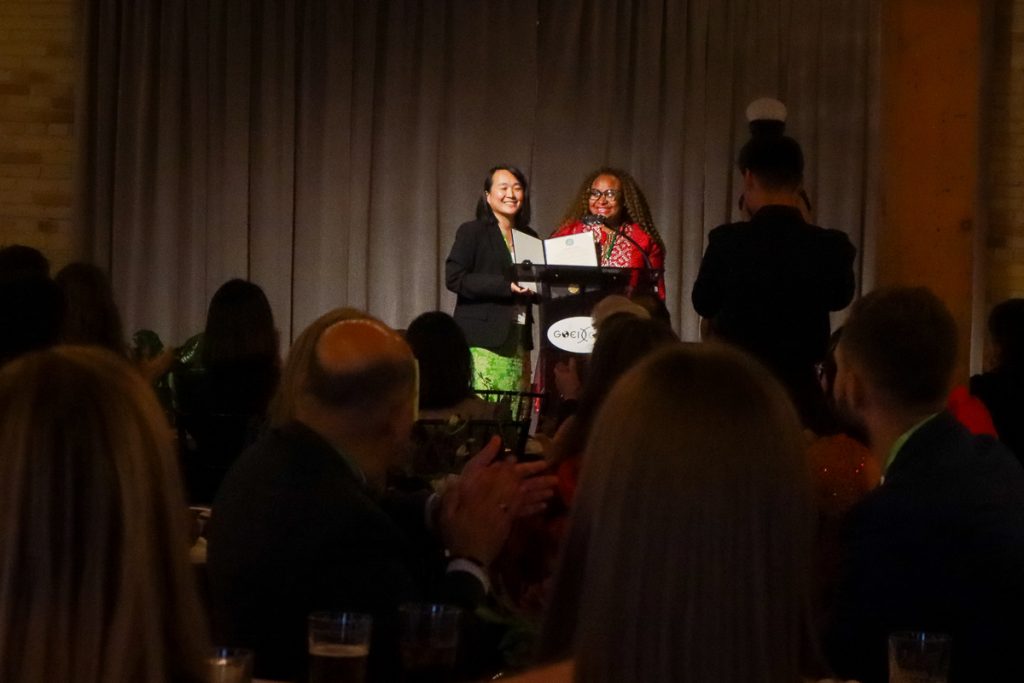
Another offering of the WMAAA is the Youth Mentorship Program, which matches high school-aged students with young professionals who share a similar cultural background to guide them toward their academic and career goals.
Funded by a three-year state grant, the mentorship program seeks to equip Asian American students with the tools and skills to make an impact in both their immediate community and the world.
“If there’s one message I want to send to everybody in the community as a new leader of the organization, it’s that the next generation of leaders are our youth,” says Wendland-Liu.
“We have to really invest in our students and help our next generation of leaders so that they are geared with the skillsets, with the social capital, with the training, and the support to be ready to make an impact in the world. That’s why we’re very adamant about investing in the next generation. We want our youth to be the face of the future.”
Raising awareness
Other WMAAA programming and resources include scholarships, presentations that raise awareness of health care and education issues, and community events that promote appreciation of Asian culture.
Notable annual events include the Asian Gala, Asian Women’s Conference, and the International Business Summit. This spring, the WMAAA will host an economic development cohort, which is still in the planning phase.
Wendland-Liu hopes to get the word out about the WMAAA’s services and continue expanding its reach.
“I hope everybody who can benefit from our services is aware that we exist and that our services are always free and accessible to those in the community,” she says.
“Whether they are using our services or they are a staff member or a volunteer, I do hope that they find a community here. That they find a sense of belonging. That they feel some kind of ownership. And that they are empowered now to help expand the mission of the WMAAA so that more people can find their community and sense of learning through our mission and our work in West Michigan.”
Photos by Tommy Allen


