
GVSU students turn old tech troubles into trusted local resale solutions
GVSU students solve risky, wasteful tech resale by building a trusted local model that improves safety, transparency, and sustainability.
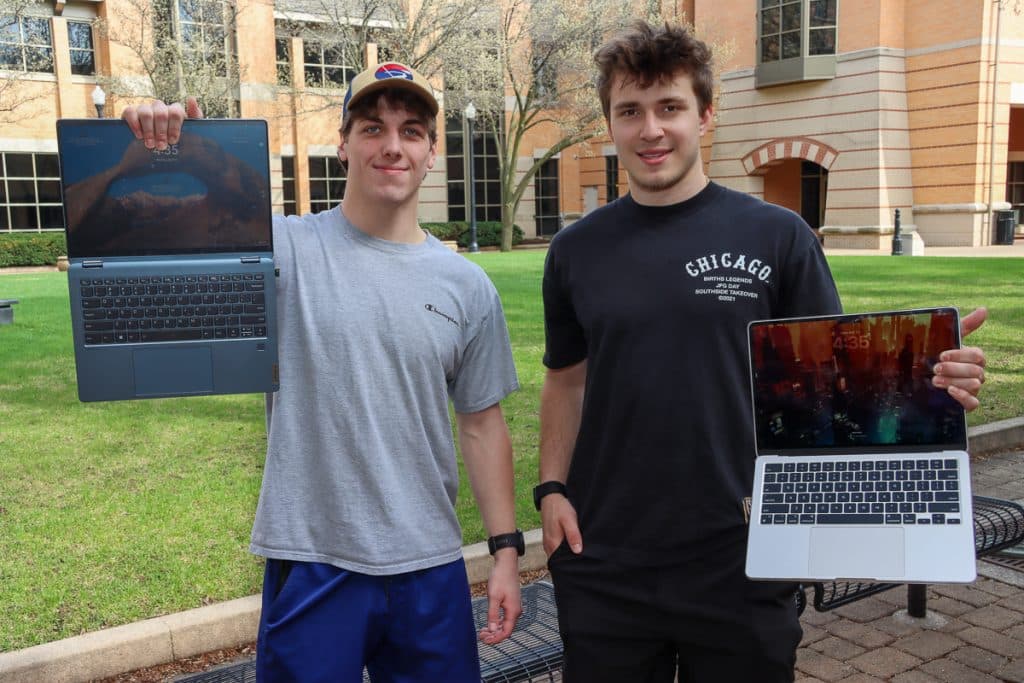
You’ve probably tried to dispose of some old technology before. Maybe it was that phone that stopped working, or perhaps an old iPod you forgot you had. But whether you use Facebook Marketplace, eBay, or another avenue, problems can arise on both sides of the transaction. Now, two Grand Valley State University students are working to make this process better for everyone involved.
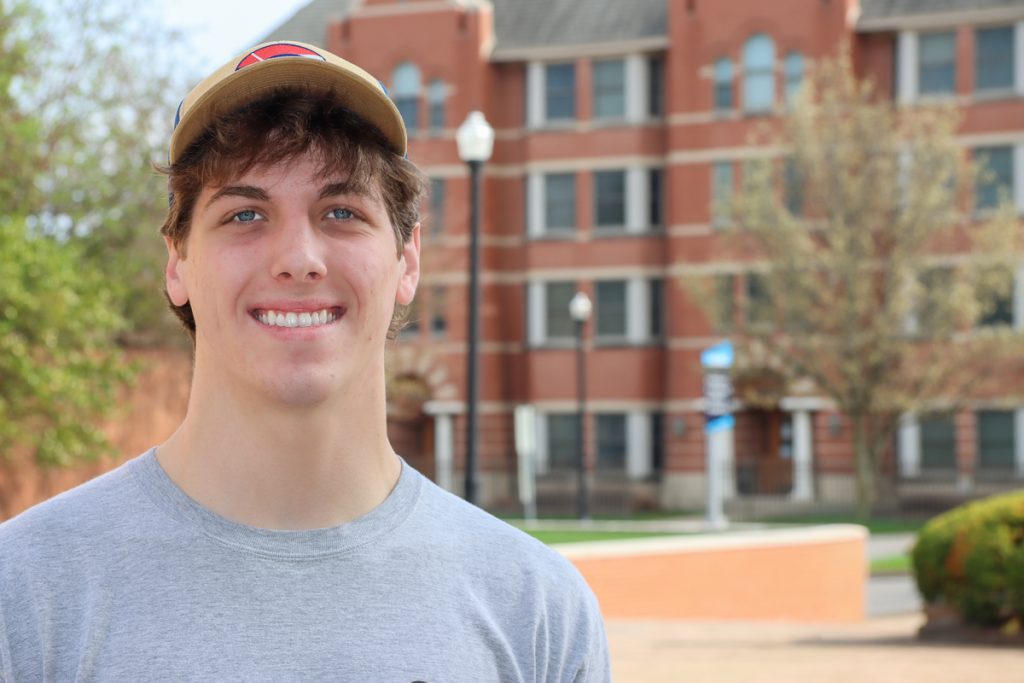
Dan VanderMeer, a junior and statistics major, is the entrepreneur behind GR Tech Swap, a year-old local business that began as a tech-flipping side hustle and grew into a comprehensive program that breathes new life into old products.
“I was home for the summer and looking for ways to make money on the side, and I kind of fell into flipping items,” he says. The product he found success in? PlayStation 5s, which he described as a “home run” for him. But after a year of this successful project, he decided to take things bigger. GR Tech Swap became an LLC, and he expanded into any used tech he could acquire.
Since starting the business, VanderMeer has been joined by Asher Kuhn, another GVSU student.
Getting started
While VanderMeer always had an entrepreneurial spirit, his academic career was less certain – at least until he took an AP statistics class in high school. “I didn’t know what I wanted to do at first,” VanderMeer admits. But after taking the course, he decided to dive deeper into statistics, something he ended up enjoying. He credits his analytical thinking skills for helping him as an entrepreneur.
He emphasizes the importance of mentors in his life.
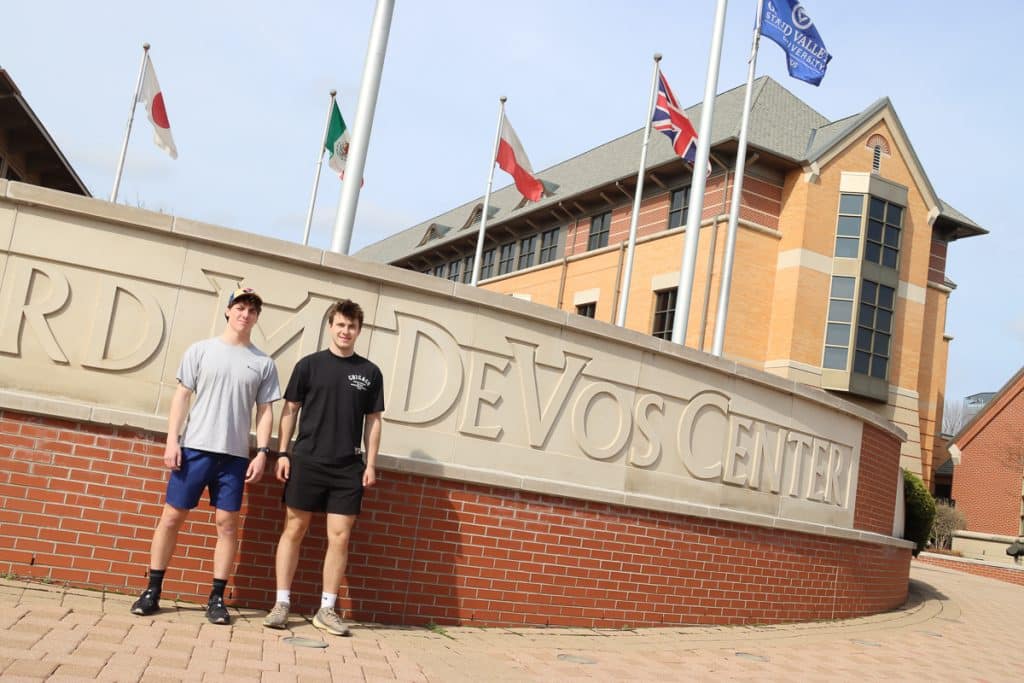
“I’m a big believer in investing in knowledge and learning from people who have already done what you’re trying to do,” he explains. “My mentor showed me exactly how to set things up, and I didn’t have to go through that learning curve.”
Instead, he was able to focus on the technology aspects of the business.
Technology, however, isn’t the only aspect of a reselling business. In an era where anyone can easily go online and match with a buyer, VanderMeer’s business has an approach he believes sets it apart.
“We buy new, used, and broken devices, and the big difference is that we do it locally,” he said. “A lot of companies use shipping, but we focus on face-to-face interactions so we can walk people through resetting their devices and build a strong local brand.
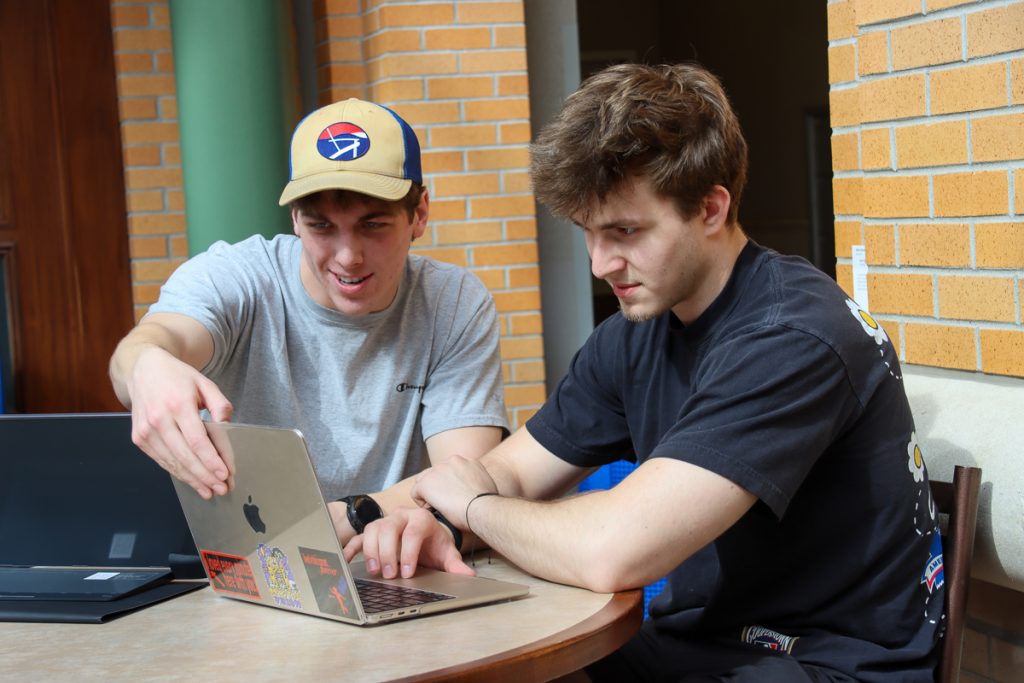
“On the sales side, we work with wholesale buyers and sell on eBay, but the main focus is making it easy for customers to sell.”
Kuhn handles the devices after purchase, an area where he has experience. Not only did he work in GVSU’s IT department, but he also has years of other experience under his belt.
“I’ve worked in tech recycling warehouses, where I was constantly around large volumes of devices and learned their resale value,” he says, so this job was a natural fit.
Better, safer transactions
GR Tech Swap goes through 40 to 50 meetups a month and tries to acquire “about five devices per day.” This allows them to resell a large volume of devices a year. “We crossed six figures (in revenue) last year, and this year we’re aiming for half a million (dollars) in revenue.”
This purchasing model adds a level of security for the buyer and seller that most transactions don’t offer. VanderMeer describes the era we live in as a “trust recession” for both buyers and sellers. Meetups with strangers carry danger, something he understands all too well.
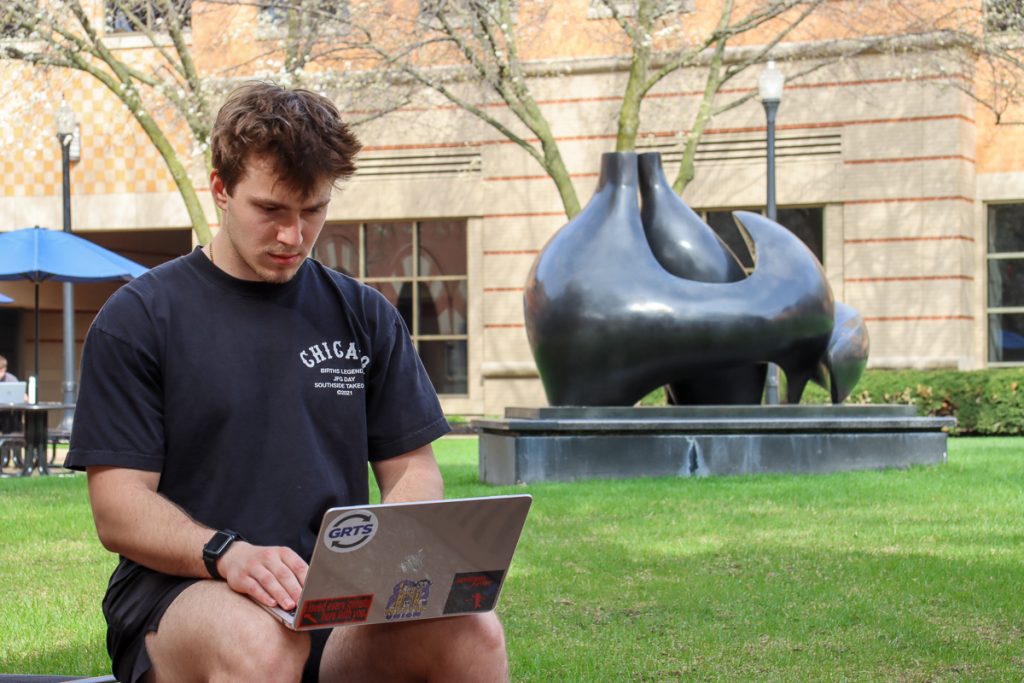
Asher Kuhn handles devices after purchase, drawing on experience from GVSU’s IT department and other roles.
“When I first started, my friend was robbed at gunpoint, and that’s when I realized we had to move smarter. Now all my meetups are on my terms, in my area, at my time, which filters out most bad actors.”
They also hold each seller accountable.
“We do a bill of sale for every transaction and require a valid ID. That’s our biggest deterrent, and it probably wards off about 95% of issues,” he says. “We’ve been very diligent on the front end, and we haven’t had any problems with stolen devices.”
To make transactions simpler and more transparent, VanderMeer schedules meetings at consistent times and at the same location. He displays ads on Facebook and Google, making sure people know who he is and what he does.
“I put my face out there in simple videos explaining what we do. … By the time they message me, they already recognize me and are ready to meet.”
Business-to-business connections are an important part of the operation. “Some stores have items they can’t sell, like broken or account-locked devices, and (we) take those off their hands and find a new home for them,” VanderMeer says.
Possibilities for growth
VanderMeer says the company is positioned to grow.
While the business can scale beyond the city, the Grand Rapids market is still quite lucrative. He and Kuhn are keeping their sights within reach because, for such a small team, moving so many products month to month is a lot to handle.
“We stay very short-term focused because there are too many variables long-term,” VanderMeer says. “We focus on this week and the next, but we definitely have bigger plans.”
Kuhn agrees, saying that refining their current operation will naturally allow them to grow. Taking in multiple devices a day and figuring out what to do with them is the most important part, he says. “Right now, we’re focused on getting consistent with that daily goal.”
Their business also produces environmental benefits. As a tech buyback program, it gives products (or at least their parts) a new home rather than treating them as single-use. It is still a business, so it needs to turn a profit, but there are still real social benefits to the model.
GR Tech Swap started as a fledgling company to alleviate the stress of selling old tech, a concept that VanderMeer knew had a niche. Now, the business is helping hundreds of products a month find new homes. Not only does their model help anxious sellers, but it promotes sustainability. With creativity and determination, these GVSU students created a profitable business that benefits every party.
Photos by Tommy Allen
Luke Fann is a junior at City High Middle School, where he has been an editor for the school newspaper, The City Voice, since 2022 and a journalist since 2021. He writes about current events and technology. He also enjoys creative writing, especially fantasy and sci-fi. Luke has won several awards for his writing at MSU’s MIPA Summer Journalism Workshop for creative storytelling and the art of storytelling.To learn more about Rapid Growth’s Voices of Youth project and read other installments in the series, click here. This series is made possible via underwriting sponsorships from the Steelcase Foundation, Frey Foundation, PNC Foundation, and Kent ISD.
Related Articles
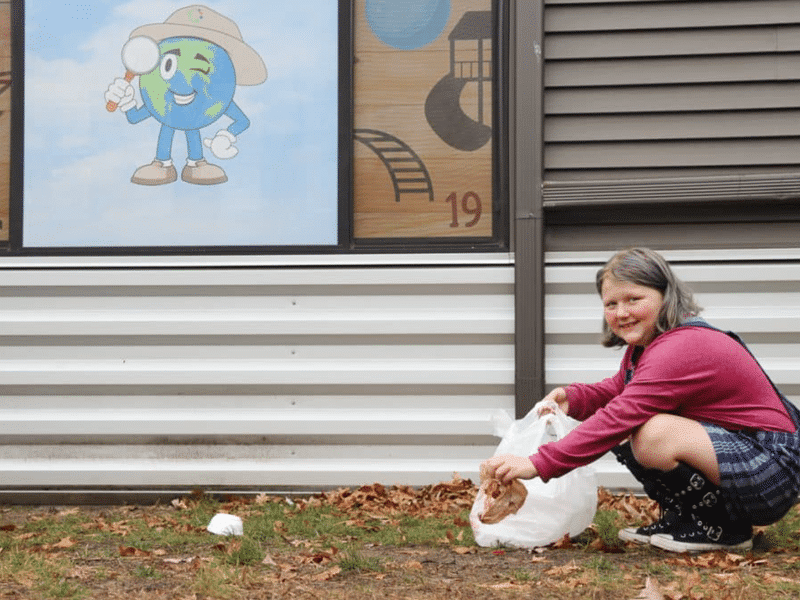
#RG20LookBack: Sometimes hope looks like a kid picking up trash
At a time when hope can feel in short supply, #RG20LookBack returns to the story of Zoey Tice, a Muskegon sixth grader whose simple decision to pick up litter reminds us how one small act can inspire others to begin.
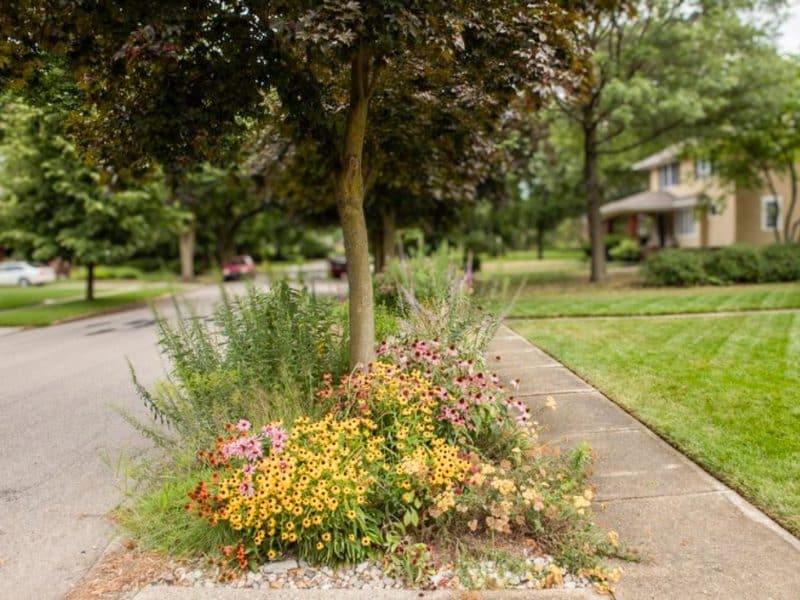
#RG20LookBack: Can one small garden help grow a community movement? (Yes!)
In his 25th #RG20LookBack column, Rapid Growth Publisher Tommy Allen revisits Matthew Russell’s 2019 story about a GR resident’s rain garden helps protect local waterways.

#RG20LookBack: West Michigan models making progress over time
In his 21st #RG20LookBack, Rapid Growth Publisher Tommy Allen revisits Deborah Johnson Wood’s 2009 story about efforts to restore rapids to the Grand River — a timely reflection following last week’s groundbreaking of the Grand River Restoration’s Lower Reach project.


