
Cherry Health teledentistry pilot helps patients overcome dental care barriers
Cherry Health’s teledentistry pilot uses virtual visits to reduce fear and connect underserved patients with dental care.
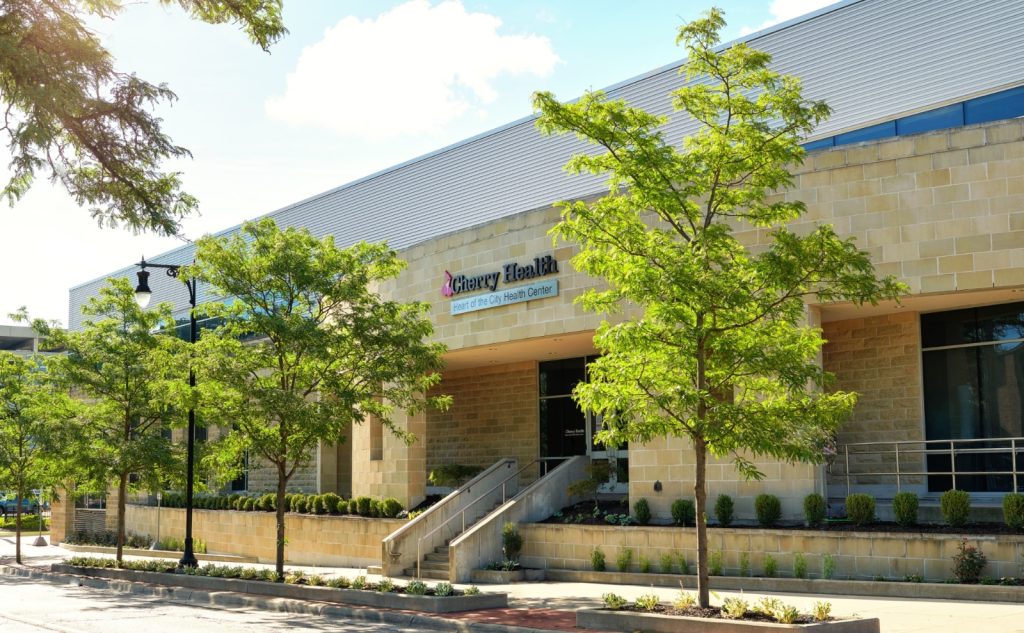
This story is part of a series on the challenges and solutions related to oral health in Michigan, Indiana, and Ohio. It is made possible with funding support from the Delta Dental Foundation.
A woman from Muskegon knew she needed dental care, but years of bad experiences kept her from making an appointment.
However, she finally agreed to a virtual conversation with a dentist through Cherry Health‘s teledentistry pilot program. A few weeks later, the woman drove to the federally qualified health center in Grand Rapids for a comprehensive dental exam.
“She flat out said she wouldn’t have done it had she not had that visit first,” Dr. Bryan Wazbinski says.
Her experience illustrates what Cherry Health hopes to accomplish through a pilot program designed to connect patients with a dentist before they ever set foot in a dental office. As dental provider shortages continue across Michigan, particularly in rural communities and among underserved populations, health leaders are exploring whether teledentistry can help reduce barriers to care, ease anxiety, and connect more patients with treatment.
“The teledentistry part has really reaffirmed for me just how helpful a simple conversation with a doctor can be,” says Wazbinski, chief dental officer at Cherry Health.
Valuable conversations
Many people are used to talking with a doctor through telehealth, but dental care is often viewed differently.
“Most people think of dentistry as a procedure, like a filling or a cleaning,” Wazbinski says. “But what a lot of people don’t realize is that the conversation is just as much a part of the appointment as anything else.”

During the virtual visits, patients may talk with a dentist about a range of issues such as tooth pain, questions about dental treatment, or general concerns about their oral health. Wazbinski says those conversations often help patients feel more comfortable getting the care they need.
Cherry Health started the pilot program late last year at its methadone clinics in Grand Rapids and Muskegon, recognizing an opportunity to bring access to dental care to patients already engaged in other Cherry Health services
“The idea was that these patients are already utilizing one of our services,” Wazbinski says. “So it made sense to make our dental services easier for them to access.”
The pilot reflects Cherry Health’s focus on connecting patients with multiple services within one organization, creating opportunities for more integrated care.
“We are bringing a door to our dental services to them and making it easier for them to access it,” he says.
The virtual visits let patients talk with a dentist before coming into the office. A dental assistant may also help collect information, including X-rays. This helps the dental team decide the best next steps for each patient, such as directing them to same-day care or scheduling a full dental exam.
Cherry Health is continuing to refine the pilot and is moving toward a more on-demand model that would allow staff to connect patients with a dentist when the need arises rather than limiting visits to scheduled sessions.
Break down barriers
The program is different from many telehealth visits. The goal is not just to identify treatment needs, but also to help them feel comfortable and take the first step toward getting dental care.
Wazbinski recalls hearing some patients say, “I was worried that I was going to get judged because it’s been so long.”
He says many patients arrive carrying years of anxiety about dental care.
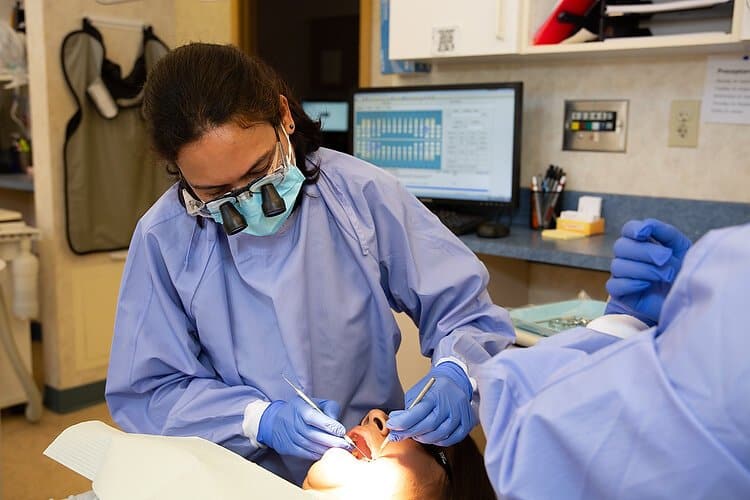
“I’ve even had a couple of patients that said, ‘In a million years, I would never end up in a dental office,'” Wazbinski says. “But we got them in and were able to help them. I don’t know that they would have done that without the virtual visit first.”
Another patient experiencing severe tooth pain connected with Wazbinski through the pilot. After reviewing the patient’s symptoms and X-rays, Cherry Health arranged treatment the same day.
That type of intervention could help reduce unnecessary emergency room visits, which often provide temporary relief but do not address the underlying dental issue.
“If you’re having tooth pain, go to a dentist, not the emergency room. Community health centers like Cherry Health are great options to get the care you need,” Wazbinski says. “That’s my No. 1 message for anybody that’s been dealing with tooth pain.”
Many Cherry Health patients face barriers beyond oral health that make it harder to access dental care. “Like anyone, our patients have a lot going on in their lives. We try to make care as easy to access as we can.
Always evolving
The pilot has been a little slow to start, but Wazbinski says the response from patients who have used the service has been encouraging.
“Everybody who does use it, the feedback has been really, really good,” he says. “We’re kind of laying the foundation for where this can go. I see a lot of potential.”
The pilot also highlights policy challenges that limit teledentistry in Michigan.
During the COVID-19 pandemic, many providers adopted virtual care because reimbursement rules were temporarily expanded. Many of those changes expired after the public health emergency ended.
Michigan’s Medicaid program currently reimburses a very limited range of live video teledentistry services. Other states have adopted broader policies, including “store-and-forward” models that allow hygienists or assistants to collect information and send it to a dentist for later review.
“I think anybody could benefit from this service,” Wazbinski says. “If you’re having a dental issue or have questions about your oral health, you should be able to do this from your house, too.”
Wazbinski believes the pilot demonstrates that access to care is not always about adding more clinics or providers. Sometimes it begins with a conversation.
“The demand is there,” he says. “There are so many people who need access to dental care but don’t have it.”
Photos courtesy of Cherry Health and Rapid Growth files.
Author

Related Articles
Leadership program helps dental directors improve care in underserved communities
Program supports dental leaders in Ohio, Michigan, and Indiana with skills to manage clinics, improve care, and advocate for underserved patients.

Transportation: An overlooked barrier to mental health care
Collaboration ensures Allegan County residents get mental health care when they need it.
New leadership guides longtime nonprofit expanding recovery care for women
Our Hope Association’s new executive director aims to strengthen long-standing recovery services supporting women across Michigan.


