
Collaboration helps unhoused residents with disabilities navigate housing crisis
Local agencies, including Disability Network Northern Michigan, collaborate to help unhoused residents with disabilities find housing in Traverse City’s tight market
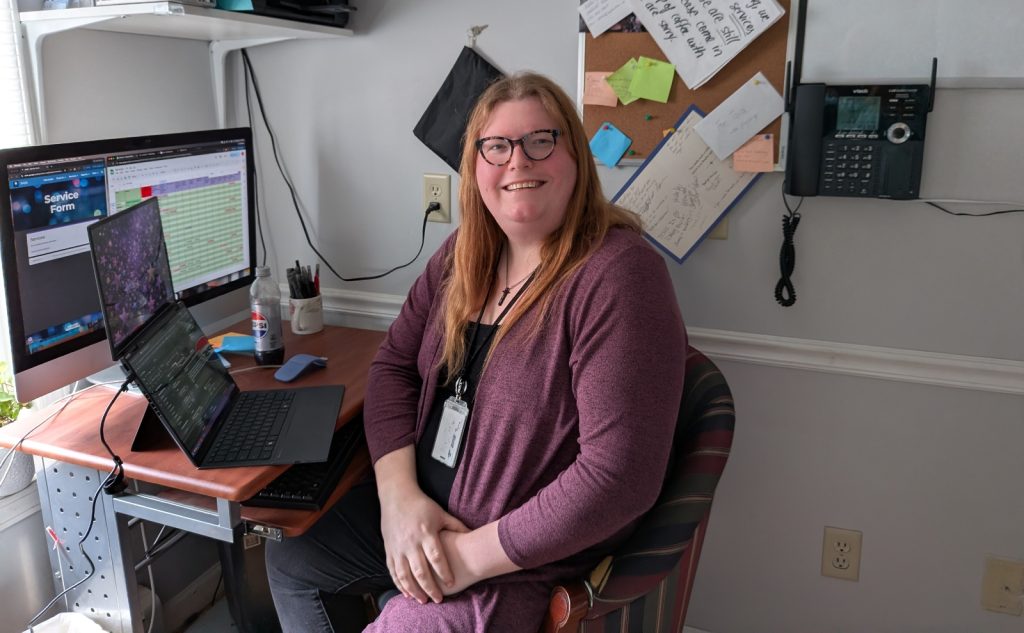
The Traverse City area has become a popular place for tourists and retirees from across the country. Because of this, more people want to live in an area known for tourism, wineries, and vacation properties.
As housing costs go up, many people who live there are struggling. People with disabilities are at a higher risk of losing their homes.
In response to the shortage of affordable housing, local groups are collaborating to address the problem. They are finding new ways to help people stay in their homes and not lose them.
John Burtrum, a benefits counselor with Disability Network Northern Michigan, says many people he helps worry about this: “That’s just another one of those things, a huge barrier of where am I going to live, and can I afford that?”
Burtrum works with clients navigating Social Security benefits, employment, and financial planning. In recent years, he says, housing has become the most urgent and complicated challenge.
“When I’m sitting down with people, I’m looking at their overall everything and trying to have that all factor in to be able to live independently,” he says.
Even when individuals carefully balance income and benefits, many still cannot find housing they can afford.
Those with disabilities are hard-hit
Service providers across the Traverse City region say people with disabilities make up a disproportionately large share of those who are unhoused.
“There’s a cross section between folks who are disabled and people who are unhoused,” says Tara DeGroot, assistant director of Jubilee House, a day shelter and outreach ministry in Traverse City. “If they’re unhoused, there’s a really good chance that there’s a disability in play.”
National data reflects that overlap. Nearly half of people experiencing homelessness have a disability, according to research published by the U.S. Department of Housing and Urban Development, and about one-third of those living in shelters report a disabling condition, according to the U.S. Census Bureau.
Homelessness is also rising nationwide, with more than 770,000 people unhoused on a single night in 2024, an 18% increase from the previous year, according to federal housing data.
Disabilities can include physical conditions, chronic illness, developmental disabilities, or mental health challenges. Some existed before a person lost housing, while others emerged or worsened after.
“A lot of people who end up with substance use issues in homelessness didn’t start that way — they were trying to numb the experience,” DeGroot says.
For many, the path to losing housing is gradual. People living paycheck to paycheck may be able to manage rent until a medical issue, job loss, or unexpected expense disrupts their stability.
“They’re one leg break away from inadequate income to keep themselves housed,” DeGroot says.
Once someone becomes unhoused, it can be difficult to recover.
“The greatest predictor of future homelessness is past homelessness,” she says.
Competition for housing
Traverse City’s housing challenges are driven in part by its popularity.
“Housing in Traverse City, the silver wave hit us pretty hard,” DeGroot says, referring to an influx of retirees.
Seasonal homes and short-term rentals also shape the market. Many properties sit vacant for part of the year while year-round residents struggle to find housing.
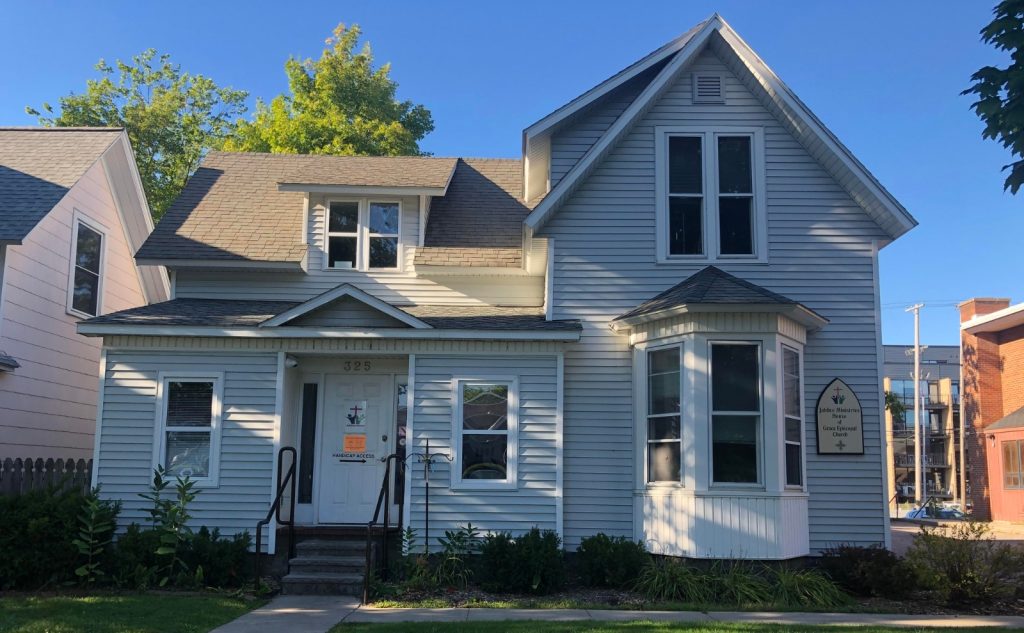
“We have hundreds of people who are unhoused, and we have houses in the winter sitting empty,” DeGroot says.
At the same time, new development often focuses on higher-end or workforce housing, leaving fewer options for people with limited incomes or those who need accessible units.
Burtrum says the mismatch between income and rent is especially difficult for people receiving disability benefits, which often come with strict income limits.
“They’re trying to do everything right,” he says. “But the numbers just don’t work.”
Working together
Rather than a single program solving the crisis, local providers point to collaboration as the most effective response.
In Traverse City, nonprofits, shelters, disability advocates, and outreach workers coordinate through a broader homeless response system. The network includes organizations such as Goodwill Northern Michigan, Safe Harbor, and other local providers that share information and coordinate care.
“We try to always work together,” Burtrum says.
The collaboration is often informal but intentional. Providers communicate regularly, refer clients to one another, and coordinate services based on individual needs.
“It can’t always just be like, hey, this one person’s helping me,” Burtrum says. “Everybody’s kind of involved.”
That approach is especially important for people with disabilities, who may need support from multiple systems at once.
“If somebody comes in, they just kind of need everything,” he says. “Housing, benefits, health care. It’s all connected.”
Working together allows agencies to develop more flexible and targeted solutions.
First, solve housing
One widely used approach is permanent supportive housing, which pairs stable housing with ongoing case management.
“Permanent supportive housing has an impressive efficacy, reducing returns to homelessness, making homelessness rare, brief, and hopefully one time.,” DeGroot says.
Caseworkers help residents manage appointments, maintain housing, access treatment, and build stability over time.
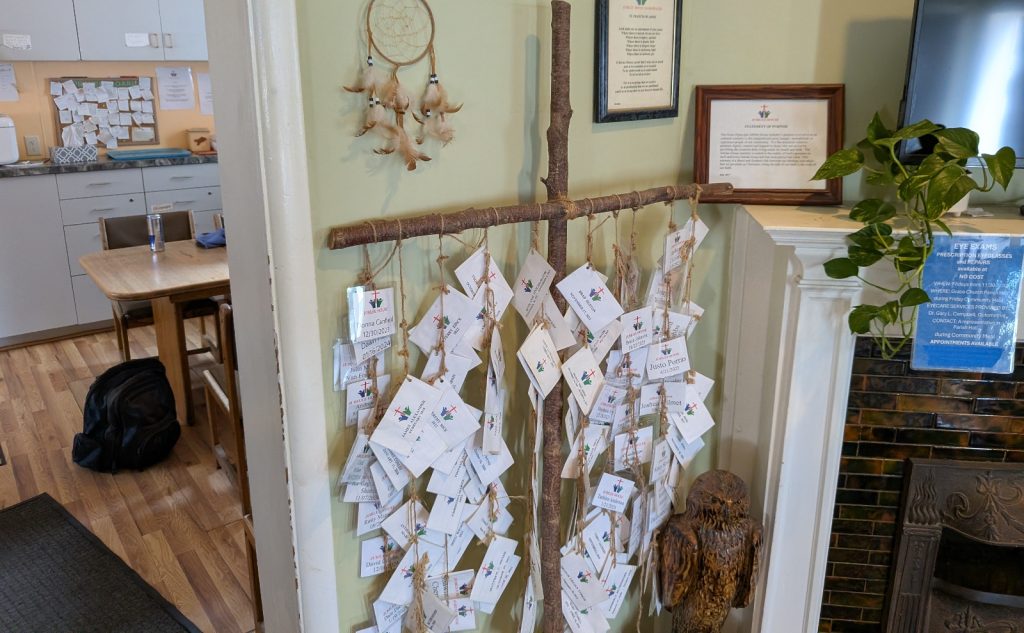
The model reflects a housing-first approach, which prioritizes getting people into housing before addressing other challenges.
“Try to get your life back together while you’re sleeping on concrete,” DeGroot says.
Other programs focus on people who may not need intensive services but still struggle to navigate the housing system.
A newer initiative known as Housing Lab helps individuals organize paperwork, complete applications, and search for housing.
“Housing Lab helps people who could self-navigate their homelessness with just a little bit of support,” DeGroot says.
Volunteers assist with applications, housing searches, and organization. These small steps can help people secure housing before their situation worsens.
Collaboration also allows providers to address systemic challenges more quickly.
Agencies meet regularly to discuss cases, identify obstacles, and share solutions. These meetings bring together professionals from housing, health care, and social services.
“If somebody comes in, they just kind of need everything,” Burtrum says.
By working together, providers can coordinate care and respond more quickly to urgent needs.
Collaboration alone not enough
Even with stronger coordination, providers say the system is still under strain.
“The extreme cost of living, availability, lack of affordable housing really plays a role,” Burtrum says.
Funding cuts have reduced support for programs. The result is that there are still gaps in mental health and substance use services. This makes it harder for people to get the help they need.
“We needed more of these things, not less of them,” DeGroot says.
While these collaborative efforts are making a difference, showing people how to understand and use the system, ultimately, it can’t replace housing that isn’t available.
Even so, local leaders say that agencies working together more is making a difference.
“I think the good thing… is working with all the different local agencies,” Burtrum says. “That’s been something that’s been really going pretty well.”
Photos courtesy of Tara DeGroot and Jubilee House
Related Articles
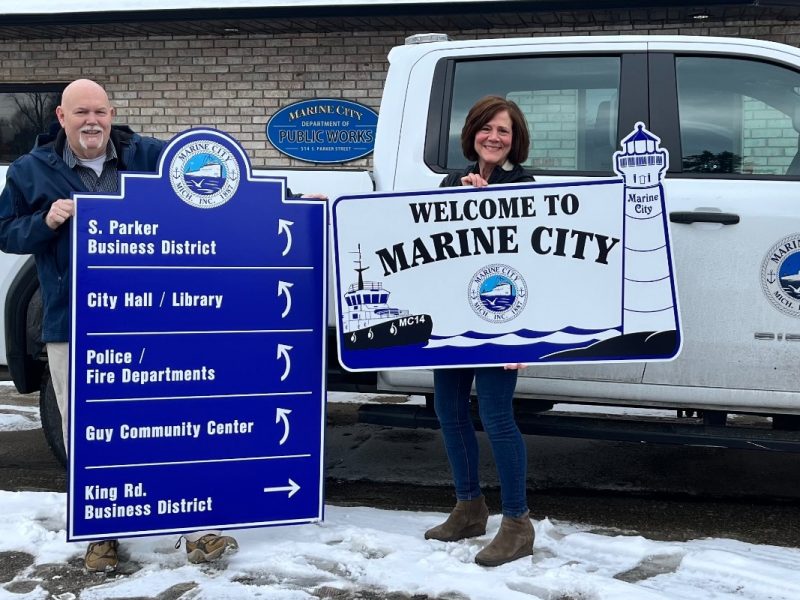
Marine City wayfinding project launches action plan for economic growth
New wayfinding signage will connect four business districts and help boost the local economy.
KConnect earns national recognition for transforming systems supporting Kent County youth
A decade of cross-sector collaboration leads to measurable gains in graduation, housing stability and economic opportunity across Kent County.
Revolutionary housing collaboration in Holland bridges faith, accessibility, and tribal communities
The Kollen Park Housing Development, created through a collaboration involving a former food pantry, church land, and tribal partnership, is a unique example of how communities can collaboratively address housing challenges.


