Community mental health agency integrates care with onsite primary care and pharmacy
Summit Pointe CEO says, “Proximity doesn’t always work, but co-location does.”
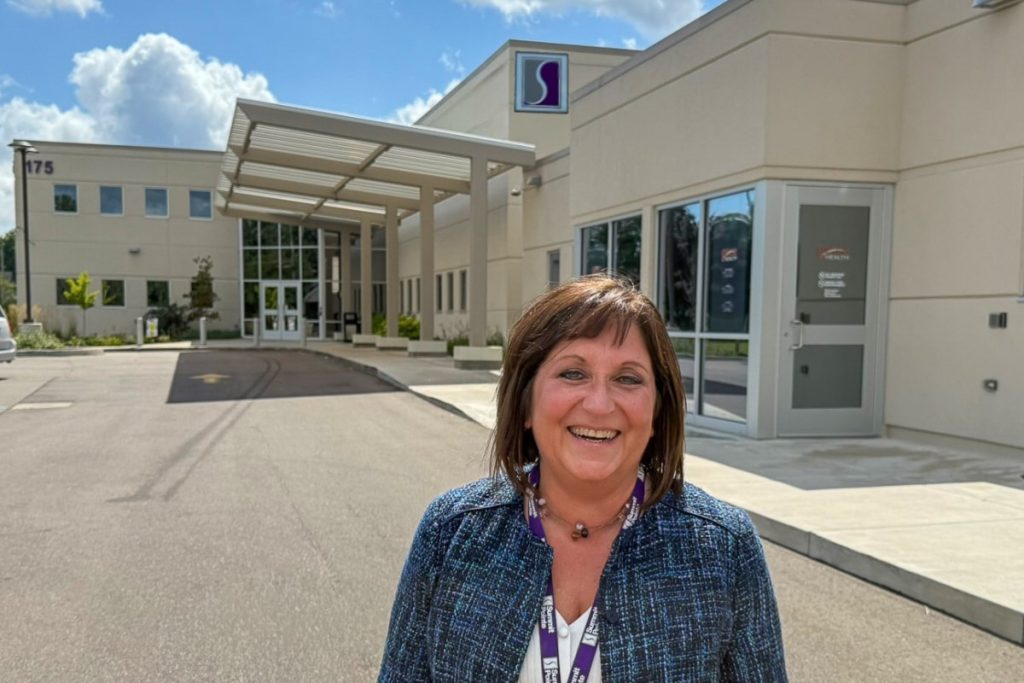
When people visit their local community mental health agency (CMH), they often come with physical health issues as well as mental health concerns. Following through with appointments at two health care providers in two different locations at two different times can be difficult — or impossible if anxiety, depression, or other mental illness is part of the picture. Finding transportation, getting time off work, arranging child care, or simply lacking the energy and motivation can prevent people from accessing the care they need.
In Calhoun County, local CMH Summit Pointe helps the people it serves overcome those barriers to care. Summit Pointe’s 175 College St. campus in Battle Creek is now home to a Grace Health primary care provider and full-service pharmacy.
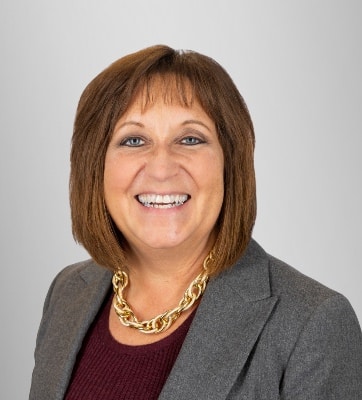
“There’s the old studies that everybody talks about. People with co-morbid medical illness and behavioral health illness die 25 years sooner than the general population. That is still prevalent today,” says Summit Pointe CEO Jeannie Goodrich. “We have complex psychiatric needs and medications. We have complex physical health needs and medications. How nice it is to have two providers in the same place being able to talk about a customer, a treatment plan, and all of those pieces.”
Grace Health, a Federally Qualified Health Center (FQHC), also offers comprehensive primary care services throughout the Calhoun County and near Summit Pointe’s College street campus.
“It’s always a barrier to have access to primary care for physical health for our behavioral health customers,” Goodrich says. “Summit Pointe is a place where people come and they feel comfortable. But to get them to just go up the street to Grace Health, they often don’t follow up on that referral.”
Bronson Battle Creek Hospital is also in the neighborhood.
“We have the whole medical offering right here on this one street, but you’d be surprised at the amount of referrals that we get from the Bronson emergency department that don’t make it here,” Goodrich says. “Proximity doesn’t always work, but co-location does.”
Goodrich says that she and Grace Health CEO Peter Chang have collaborated on similar initiatives in the past. The progression to embedding primary care and a pharmacy in the Summit Pointe location came about naturally.
“This was a project that we both felt very passionate about, the integration of physical health and behavioral health,” Goodrich says.
Now, when Summit Pointe staff treat a behavioral health patient with a physical health issue, they can walk the person down the hall to the Grace Health nurse practitioner for primary care. If the patient needs medications for their mental health issues or physical health issues, the on-site Grace Health pharmacist can fill them all — and ensure that the medications work well when taken together.
“On the other side of the building is the psychiatric urgent care center, open 24 hours a day,” Goodrich says. “If somebody comes in there, and they don’t have a primary care physician, and they have a physical health need, we can walk them right through the building, and they have access. Grace Health has made it a priority to not just see our customers on a scheduled basis, but to be available for walk-ins.”
Summit Pointe opened First Step Psychiatric Urgent Care Center at its College Street campus in March 2021. The 24/7 facility treats patients of all ages, irrespective of insurance, providing services when people need them most.
A gap analysis had revealed the obstacles Summit Pointe patients faced when they attempted to get mental health crisis care included long wait times, limited staffing, and navigating a system that could be confusing. Summit Pointe’s leadership team concluded that a drop-in, 24-hour crisis center would streamline the process — and it has.
Goodrich shares that over the years, she has learned how important it is to build trust with clients seeking mental health care. Summit Pointe staff works hard to build that trust. Because clients may not feel that trust when they seek medical treatment elsewhere, they may forgo treatment altogether. Building that trusting relationship and having medical care and a pharmacy on site eliminates that barrier to care.
“If they trust us enough to come here for their care, we can take that trust and transfer it to the pharmacy we work with here, tell them, ‘Go see the pharmacist. We know them.They’ll have your medications.’ That’s a better relationship,” Goodrich says. “Because in this world and in this population, this is all very trust based and very relational.”
Photos courtesy Summit Pointe.
The MI Mental Health series highlights the opportunities that Michigan’s children, teens and adults of all ages have to find the mental health help they need, when and where they need it. It is made possible with funding from the Community Mental Health Association of Michigan, Center for Health and Research Transformation, Genesee Health System, Mental Health Foundation of West Michigan, North Country CMH, Northern Lakes CMH Authority, OnPoint, Sanilac County CMH, St. Clair County CMH, Summit Pointe, and Washtenaw County CMH.
Related Articles

Local networks, real results: Success stories from Michigan’s CMHs
Michigan’s community mental health agencies serve as lifelines and innovators.

It’s hard for foster kids to get the health care they need, but this project is working to change that
A Grand Valley State University project is working to create an integrated mobile care team to serve foster kids’ complex health needs.
West Michigan cleaning company helps lift burdens for cancer patients
Jeannie Cleaning, a West Michigan-based company and partner of the nonprofit Cleaning for a Reason, provides free and discounted home cleanings to cancer patients, offering vital support and relief during treatment.