Stewardship part of DISHER’s mission to make a positive difference
DISHER, which started as an automotive product design firm, has branched out to engineering, marketing, and business solutions. Investing in the community is important, and the company puts a percentage of its annual profits into stewardship programs.

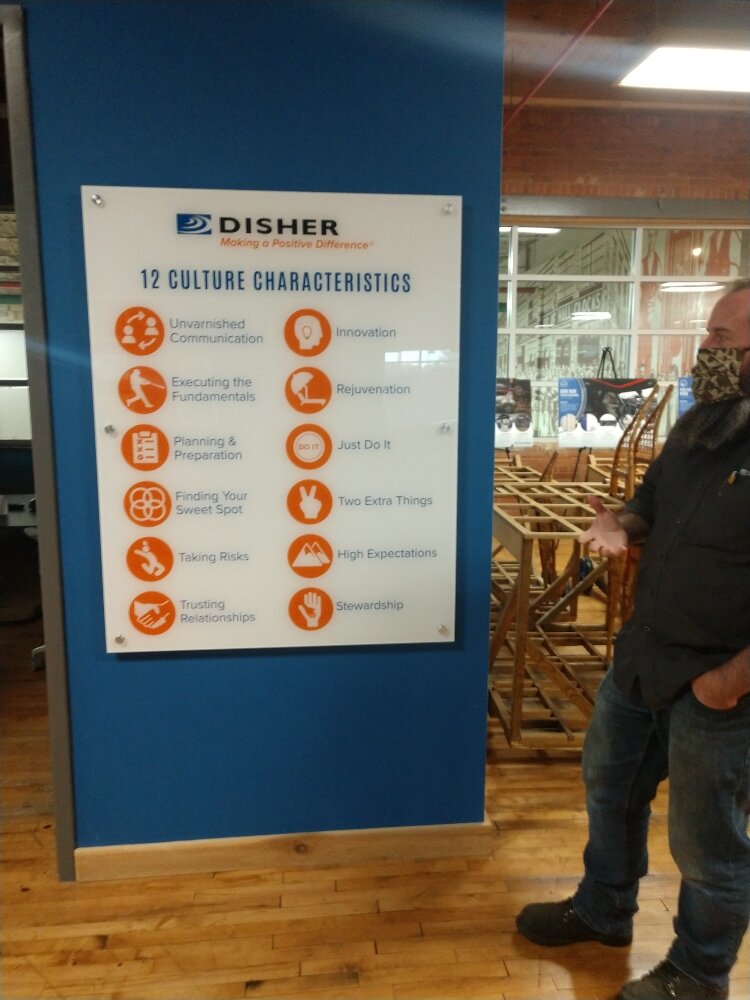
“Make a positive difference” has been the DISHER mission statement from the very beginning.
Jeff Disher began the Zeeland-based company 20 years ago with just his experience as an automotive product designer. The company now has more than 150 employees and has expanded into engineering, marketing, talent attraction, and — most recently — business solutions. They design everything from aerospace navigation systems to bread slicers and help companies run better.
“The business side of things is what allows us to do the stewardship side of things,” DISHER mechanical engineer Dennis Smith says.
Another slogan often heard at DISHER is MPG — “Mission, Profit, Growth” — in that order. The mission comes first. If it doesn’t make a positive difference, they don’t do it, Smith says.
“This is very simple, and it’s something we can apply to every area of our lives and business,” he says.
Community service
When longtime community partner Community Action House asked for help at a client’s home, the answer was, of course, yes.
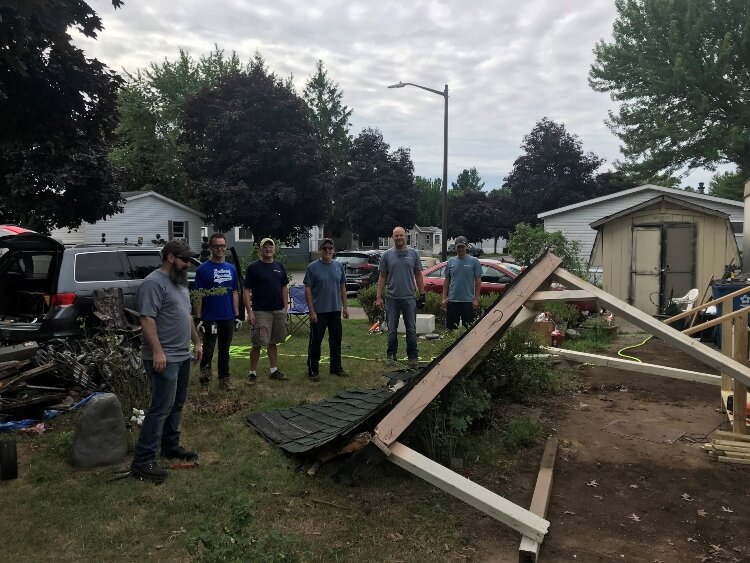
The backdoor to her mobile home was unusable because of the warped and rotting deck. After analyzing the situation, the DISHER team decided the deck was beyond repair.
“You walked on it and you felt you were going to fall through,” product development engineer Chuck Beasley says.
They tore down the old deck and started from scratch. She went from not being able to have neighbors over to spending time outside enjoying her deck and lawn.
Stewardship ‘Shark Tank’
Every year, the company dedicates a percentage of its profits to stewardship projects. Each employee can suggest three local organizations to receive the money. Then they have to sell their idea. Smith describes it as a “Shark Tank” for stewardship.
Community Action House has a long relationship with DISHER. When the COVID-19 pandemic hit, closing the CAH food pantry to the public, DISHER stepped in to build a drive-up canopy to protect CAH clients, volunteers, and staff from the elements as food is deposited into clients’ cars.
“It kind of expanded from there. We just kept going,” Beasley says.
They ended up creating directional signs, building an awning for the doorway, and spending a few more weeks working on the CAH building itself, installing gutters, trim, and generally fixing it up.
Passion project
Beasley’s own personal passion project is what he calls a mini mobile home. It’s a bicycle and trailer that doubles as a small sleeping room for someone without a home.
Beasley and Smith paid for materials, but DISHER provided the space and time to work on the project.
“Like any good product you come up with, there’s lots of lessons to learn,” Beasley says.
He hopes to have a model ready to test in about a month. With his ties to First United Methodist Church’s Refresh program for area homeless, he hopes to find someone to give it a real-world test.
Beasley has been learning Solidworks, solid modeling computer-aided design, to help him in the project — a skill that will translate into other areas of his work for DISHER.
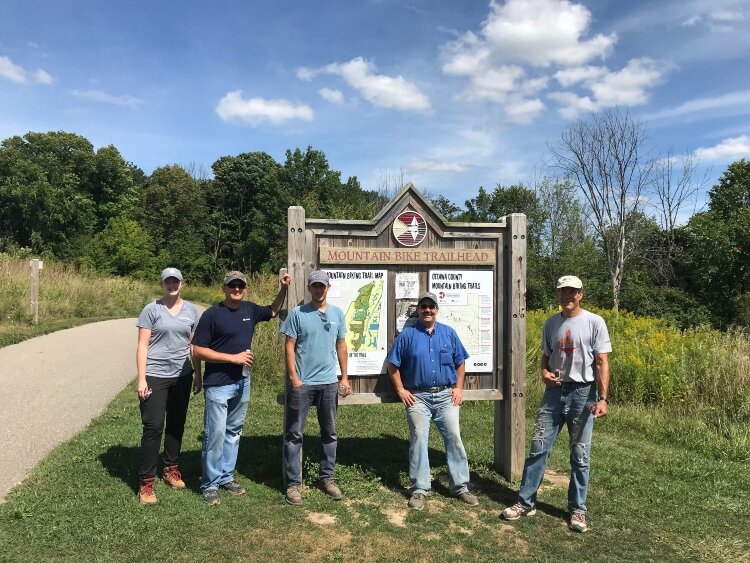
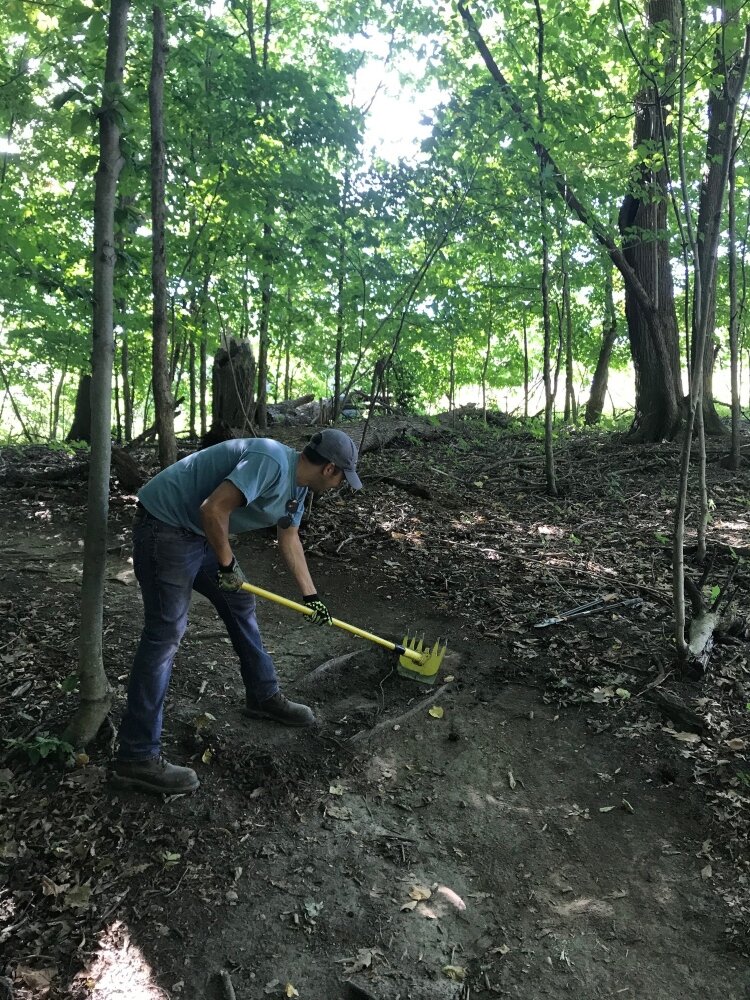
Other community projects are on the books, too. This week, DISHER employees have been volunteering to clean up in the Upper Macatawa Trail.
Related Articles
Lovet expands affordable veterinary care model with fourth Grand Rapids clinic
Chicago-based Lovet Pet Health Care opens fourth Grand Rapids clinic, aiming to reduce costs, expand access, and ease stress for pet owners.
Equest Center highlighted as Bank of America boosts year-round community support
Bank of America’s Day of Giving showcases its ongoing volunteer partnership with Equest Center; Lakeshore Advantage selected as bank’s 2025 Neighborhood Builder.
Retailer Hank Meijer shows off his storytelling talents at Dutch American celebration
At Dutch-American Heritage Day, retailer leader and author Hank Meijer reflects on family stories, immigrant roots, and the legacy of Fred and Lena Meijer.