Grand Rapids Public Museum’s journey to Sensory Sunday built empathy into its infrastructure
On every second Sunday, the Grand Rapids Public Museum dims the sensory “noise” of a typical visit, enabling more families to experience wonder, enhance their learning, and foster a sense of belonging for everyone.
Every second Sunday of the month, the Grand Rapids Public Museum maintains its core identity, but with slight adjustments that alter its atmosphere. The setting is intentionally calmer and more consistent, with more obvious cues. Visitors seeking a respite from sensory overload can do so without explanation. This day is dedicated to individuals often excluded from public spaces, not because they lack the desire to engage, but because many places just aren’t designed with their experiences in mind.
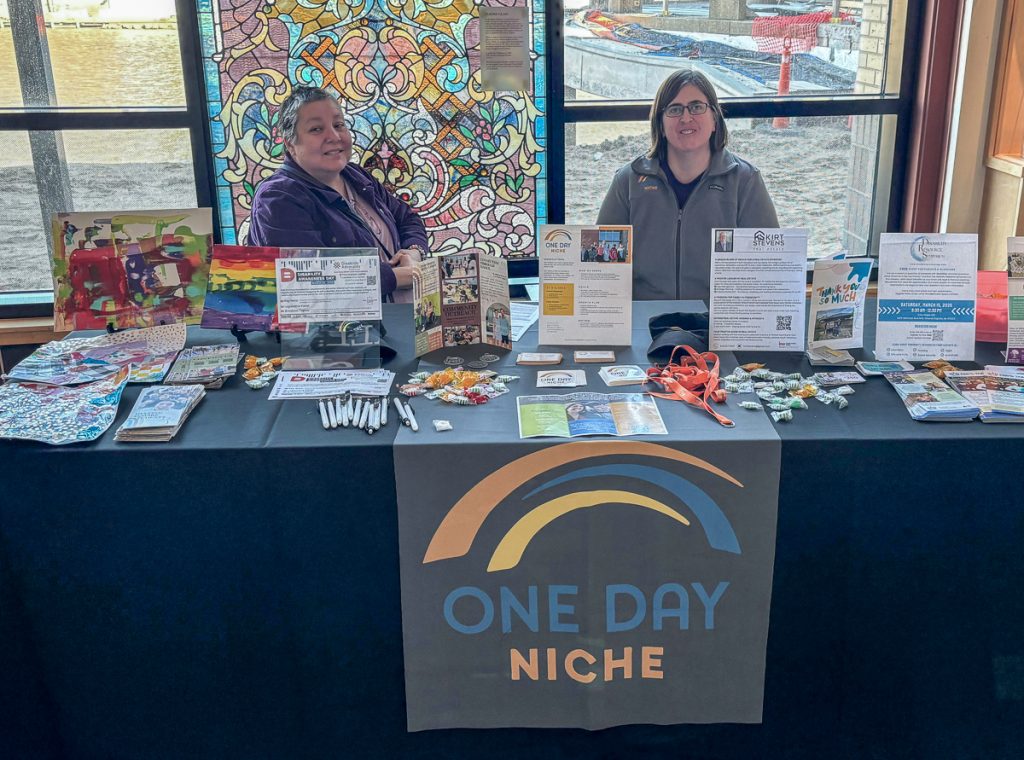
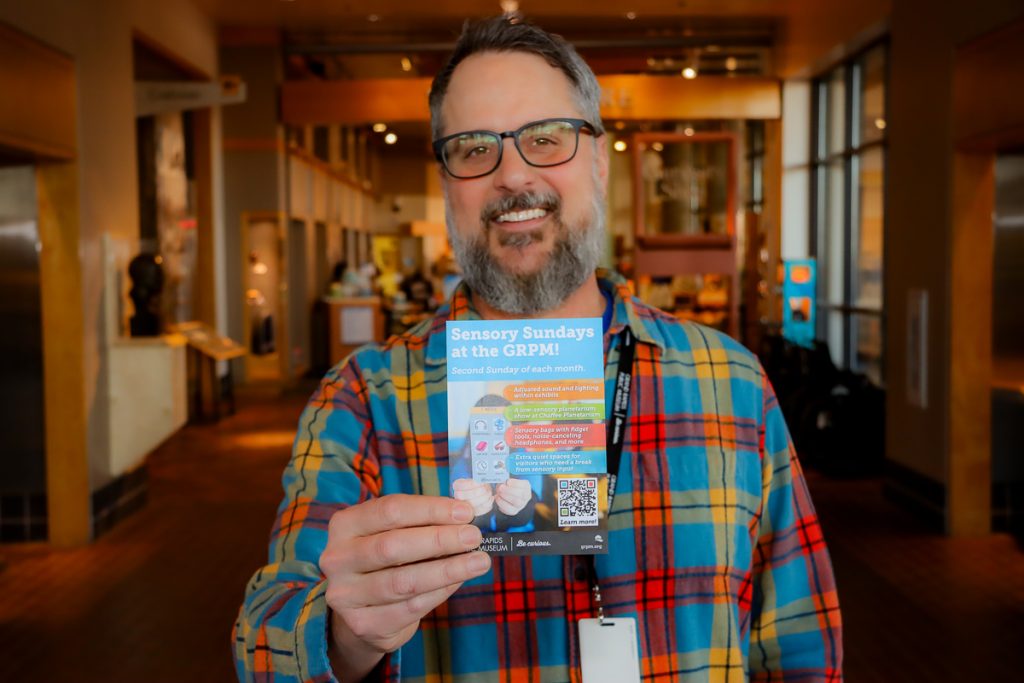
This is the heart of Sensory Sundays, the GRPM’s monthly program that assists visitors on the autism spectrum and those with sensory processing needs. These events are on the second Sunday of each month from 10 a.m. to 5 p.m.
A welcoming path to now
Sensory Sundays didn’t develop overnight, and the museum openly acknowledges its learning process. Rob Schuitema, the director of public programs at the GRPM, says early efforts — from events on the Blue Bridge to low-sensory evenings linked with community programs — revealed an unforeseen challenge: overloading an accessibility initiative with too many “extras” can overwhelm participants. After years of experimentation and learning from each stage of community collaboration, the museum refined its approach and developed a structure that aligns with its mission to serve everyone.
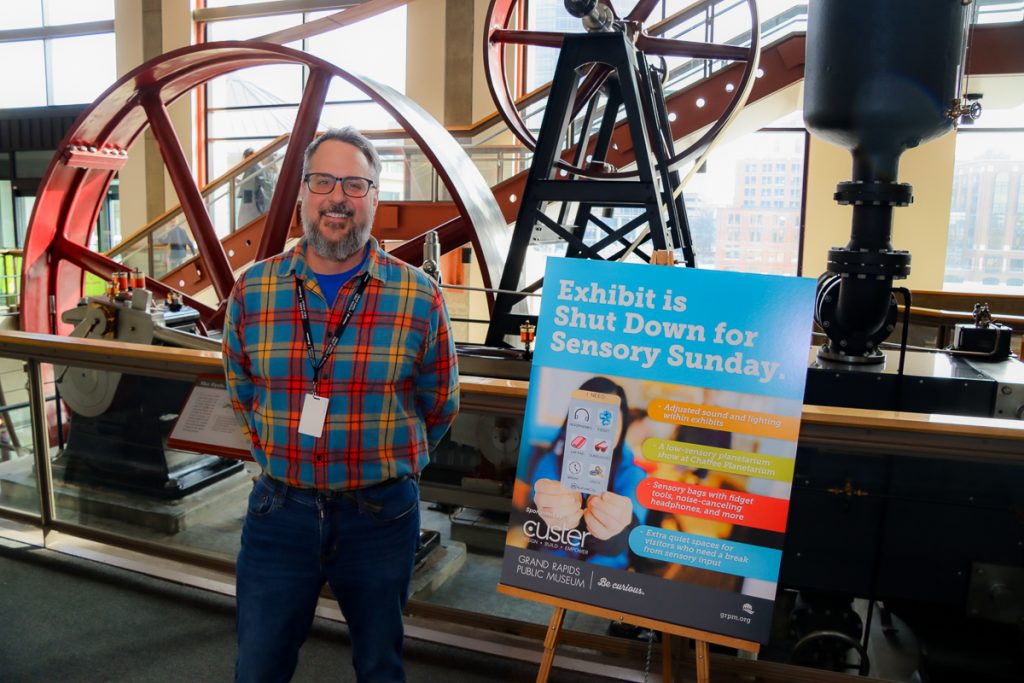
“First and foremost, what we want to do with Sensory Sundays is have this be minimal,” Schuitema says. “We want the person to come in and experience the museum in a way that best fits however they interact with their surroundings.”
That decision — to lower the baseline sensory load instead of adding programming — became a key design principle: start by reducing disruptive sensory input, then provide options and flexibility within that framework for learning to flourish.
What to expect at Sensory Sundays
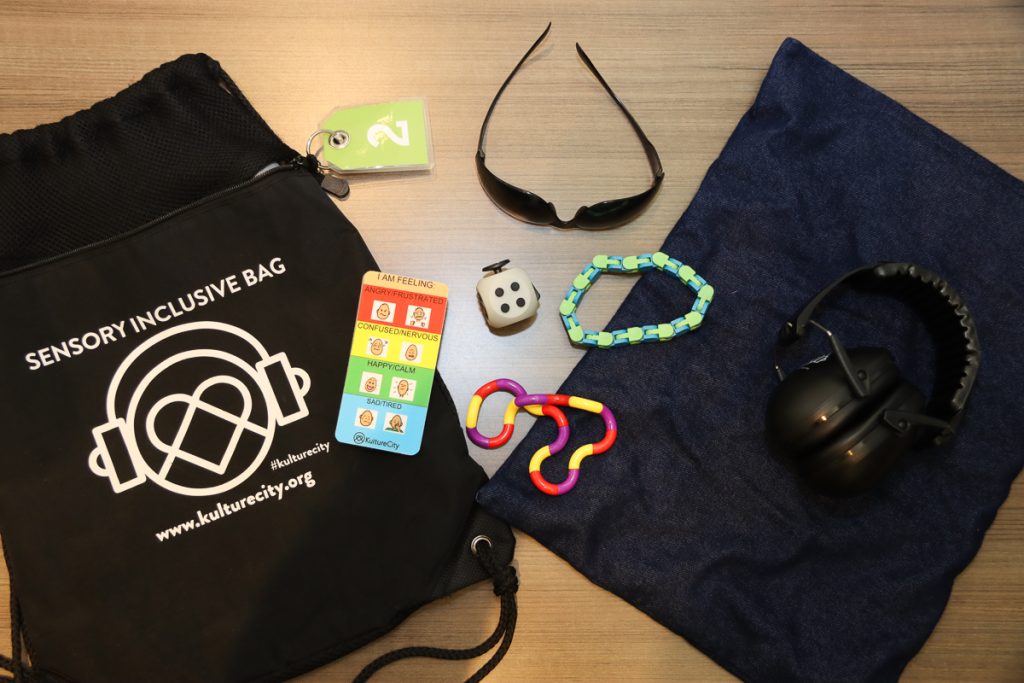
GRPM’s description highlights practical, visible accommodations, such as adjusted sound and lighting in exhibits, a low-sensory planetarium show, sensory bags available for checkout that include items like fidgets and noise-canceling headphones, and extra-quiet areas for visitors needing a break.
Schuitema highlights the often-unseen, behind-the-scenes elements that families might not initially notice but that influence their museum experience. The aim is to minimize uncertainty and keep support accessible.
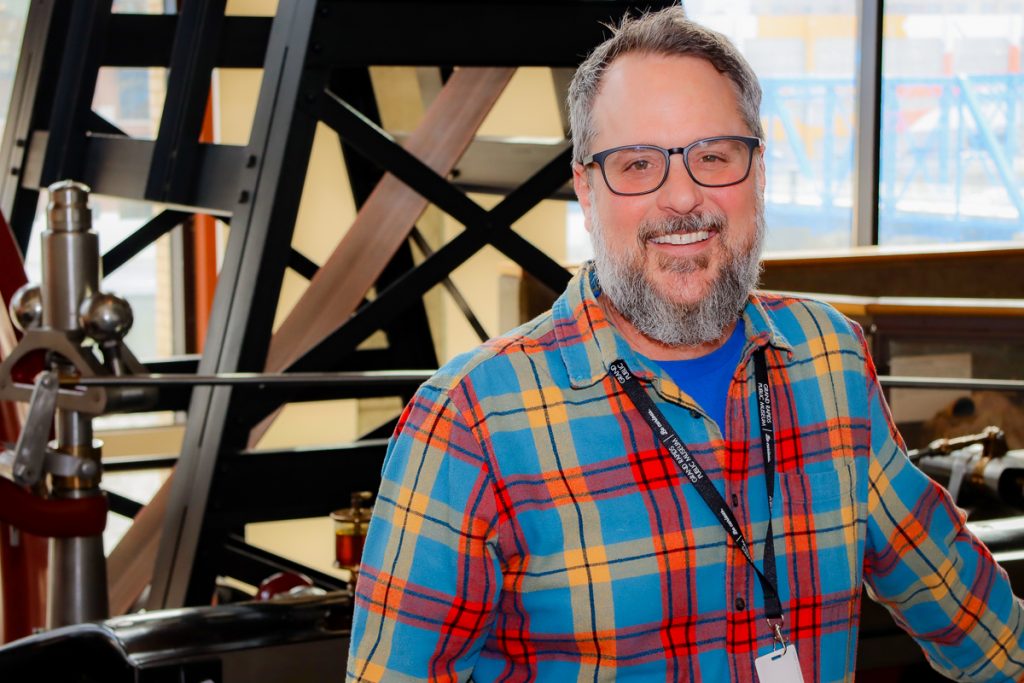
The museum has added quiet rooms and clearly marked, calmer zones for patrons. When temporary exhibits cannot be modified, the GRPM labels them as potentially high-sensory experiences, allowing guests to make informed choices.
Sensory Sundays are designed to be inclusive. They welcome everyone, whether they need less sensory input or not, while still prioritizing visitors who might feel excluded in high-stimulation settings.
A major reason the program serves more than just signage is the museum’s partnership with KultureCity, a nonprofit focusing on sensory acceptability and acceptance. GRPM says that collaboration and those with community partners such as Disability Advocates, Grand Valley State University, and Western Michigan University enhance staff skills through training and resources and offer sensory tools for guests to borrow.
The secret sauce: tools, training, and a response system
Schuitema describes a support system operating in real time: staff and gallery guards moving across floors, using radios to coordinate, and engaging with guests on their level. In short, the museum is trained and ready to assist all patrons, right where they are.
“For example, if someone forgets that they need a sensory bag, the museum staff can deliver it directly, avoiding the need for families to backtrack to the front desk,” Schuitema says, illustrating the commitment to service that continues beyond the entry.
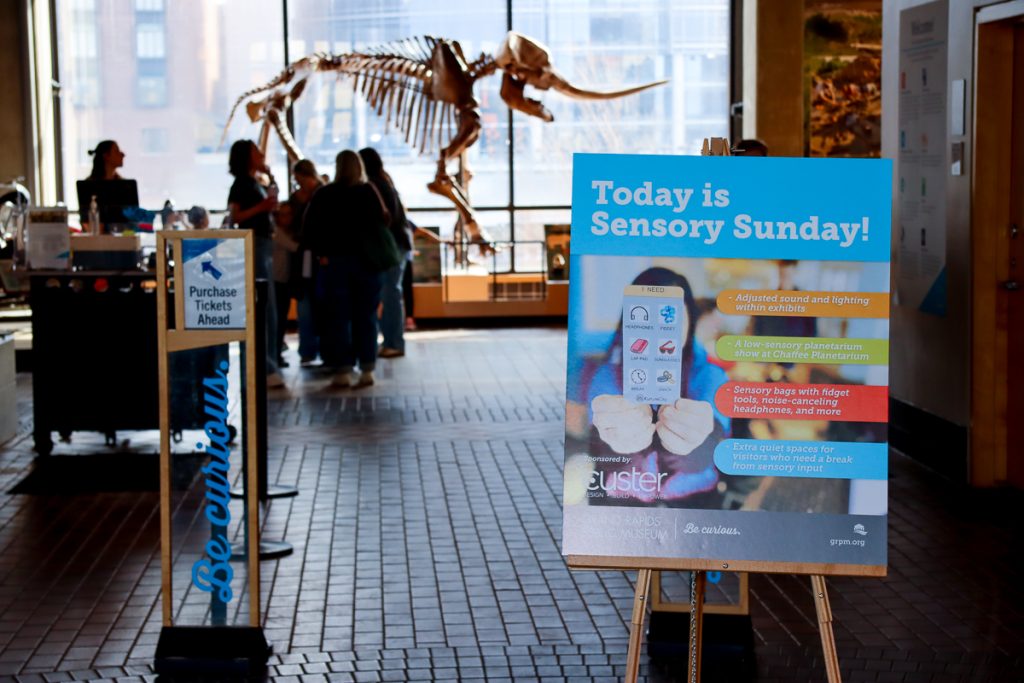
This attention to service is what institutional commitment looks like on the “ground floor” at the museum, according to Schuitema: not just “we offer accommodations,” but “we’ve built habits and systems so accommodations actually reach people in the moment they’re needed.”
Dale Robertson’s lens: institutionalizing a learning culture
Dale Robertson, CEO and president of the GRPM, shares insights that reveal how Sensory Sundays was able to adapt and survive over time.
Robertson, who is retiring later this year, describes this built-thoughtfully-over-time work as an extension of the museum’s educational role—an institution that must constantly adapt to evolving learning methods.
“As an educational institution, you have to then think about how people learn,” Robertson says. “Color, temperature, texture, sound, lighting—all that stuff matters.”
That understanding drove the museum to form partnerships that broadened staff perspectives on accessibility — shifting from a focus solely on physical access to one that includes cognitive access, and realizing that designing for autism often enhances the experience for all.
He highlights learning styles—auditory, visual, tactile, and kinetic—as just one of many frameworks that encouraged the museum to consider not only physical access but also what he refers to as “cognitive accessibility.” He emphasizes that even color selection should be deliberate, not just based on taste, because it carries significance and effect.
According to Robertson, “institutionalizing a learning culture” involves bringing in experts, enhancing staff knowledge, testing fresh ideas, learning from feedback, and embedding successful practices so they become standard, not merely activities performed once a month.
The museum works with occupational therapy educators and autism specialists as part of a learning approach that involves listening and then making improvements. Importantly, these insights are not confined to the program; they influence the entire museum.
For example, once the museum recognized that certain exhibit features were harmful or overwhelming, it eliminated specific flashing lights and buzzing sounds so they no longer needed to be disabled during sensory days. “Now it’s gone for everybody,” he stated.
This exemplifies universal design: creating for those on the margins often enhances the experience for all. This is a win for everyone.
The museum as a driver for a better public life
The key takeaway from Sensory Sundays is what it demonstrates to the community: inclusion isn’t just a concept, but a series of choices that, when practiced repeatedly, shape the culture.
When asked how he would advise other institutions seeking to elevate inclusion, Schuitema emphasizes practical principles: listen to experts, accept critiques, assess what can be improved, communicate effectively, and make gradual changes. This iterative, humble, and responsive approach exemplifies a true “learning culture” in action.
This approach extends beyond the museum. By adopting a sensory-access perspective, you begin to notice design opportunities everywhere—at venues, schools, workplaces, and public events. GRPM shows that inclusion doesn’t mean reinventing your mission; it’s about reducing barriers and providing options.
This is where creativity comes into play. Sensory Sundays are not just about making the museum simpler; they create a more inclusive experience through careful design, training, tools, and consistency. A community benefits from observing these practices—especially when they are credible, repeatable, and embedded within the institution.
Robertson keeps close to his heart a guiding phrase from Joni Mitchell’s song “Woodstock”–– “life is for learning.” This embodies the spirit of Sensory Sundays, not as a tribute but as a practical reminder of the museum’s dedication to learning, collaboration, and continuous improvement in exhibit and program experiences. When that mindset becomes ingrained, belonging is the default, not a special request. Consequently, admission provides more than access; it fosters a genuine sense of welcome through universal design for learning – something that has become integral at the GRPM’s riverfront location.
Photos by Tommy Allen and courtesy images of GRPM.
This story is part of the Bridge to Community Curiosity, underwritten by the Grand Rapids Public Museum. Through this partnership, we highlight GRPM’s mission to inspire curiosity, deepen understanding, and foster belonging by showcasing the transformative power of arts and education in West Michigan.
Related Articles
The museum as a classroom
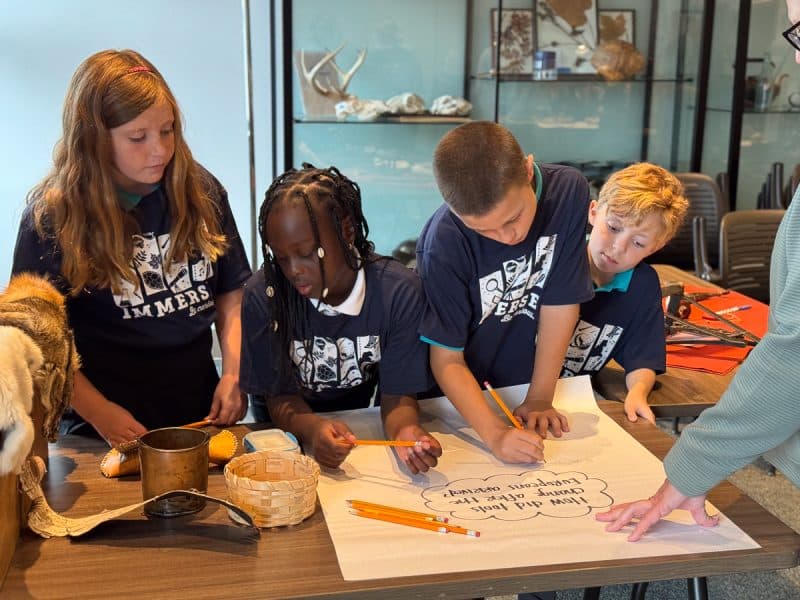
Educators increasingly rely on the Grand Rapids Public Museum as a dynamic classroom where students can “wake up” history, learn through listening, and find that curiosity and a sense of belonging can be cultivated together … and sometimes through the sharing of individual stories.
Voices of Youth: Theater offers kids skills beyond the stage
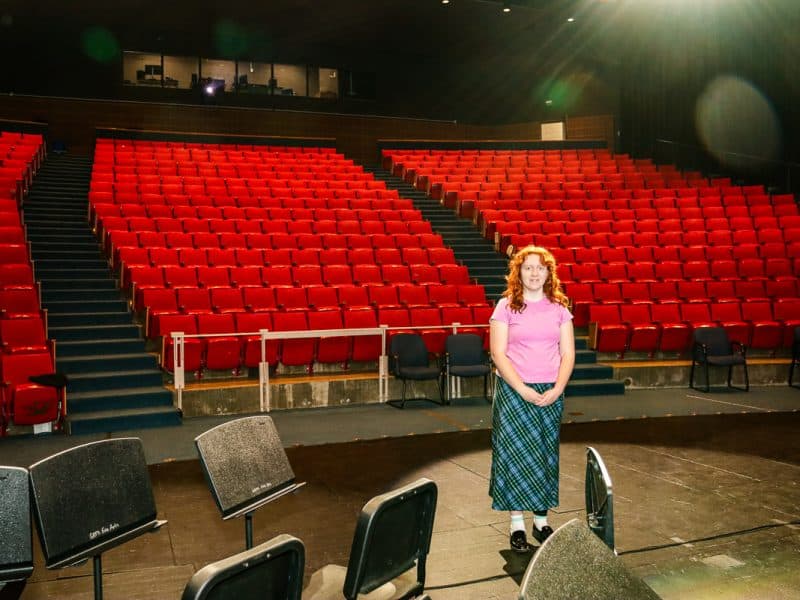
Our Voices of Youth narrative shows how theater fosters empathy, confidence, and belonging. City High Middle School student Ineke Petroelje explains why this art remains a deeply human experience.
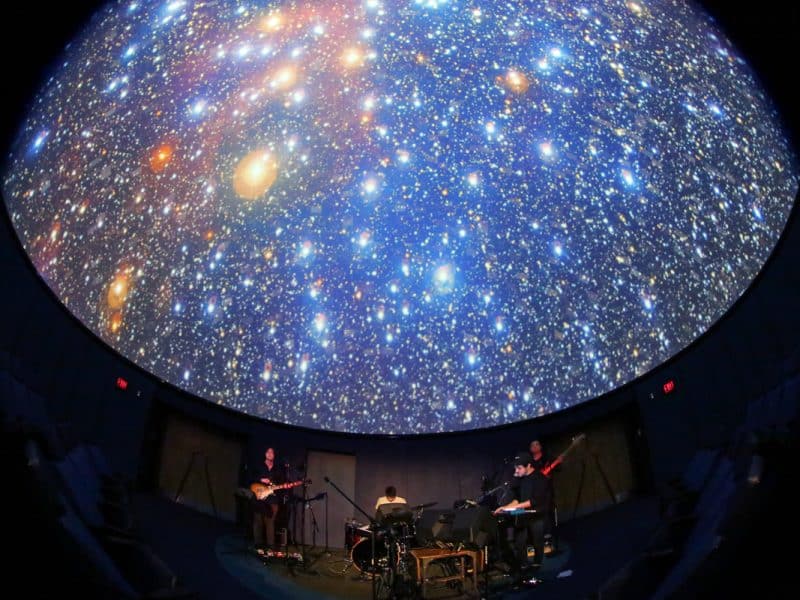
Under the stars, together: Don’t miss GRPM’s 9th planetarium concert series
Grand Rapids Public Museum’s highly anticipated annual live-music series Concerts Under the Stars returns in 2026. Historically, delaying ticket purchases for this series might result in missing this once-a-year event entirely.