Grand Rapids retail incubator helps entrepreneurs turn ideas into stores
New downtown retail incubator offers space, training, and mentorship to help undercapitalized entrepreneurs launch lasting storefronts in Grand Rapids’ core.
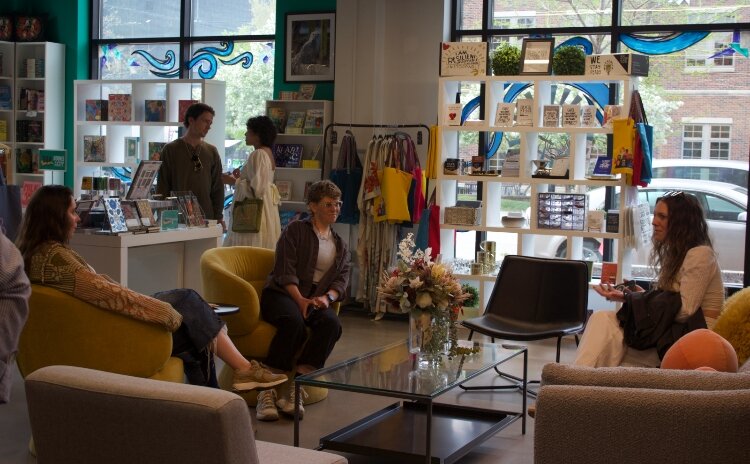
What’s happening: High rents and limited capital keep many small entrepreneurs from opening downtown stores. The Downtown Retail Incubator Program (DRIP) is responding with affordable space, coaching, and partner resources to lower barriers and help create sustainable businesses. Organizers see the potential for a stronger, more diverse retail scene that keeps storefronts active and the city’s core vibrant.
An open house to celebrate DRIP’s launch is set for Sept. 30, 8–10 a.m., at the Arts Marketplace. Applications and details are at artsmarketplacegr.com/drip.
Who’s launching: The Arts Marketplace (AMP) at Studio Park and Downtown Grand Rapids Inc. (DGRI) are teaming up to launch the Downtown Retail Incubator Program.
Why it matters: Downtown Grand Rapids needs a steady flow of small, distinctive retailers to stay lively. Arts Marketplace, a collaborative retail space opened in 2020, has already supported more than 125 local artists and makers. DRIP builds on DGRI’s rent-assistance, shared marketing and event programs to give new businesses a realistic path to survive and grow.
How it works: Participants receive skill and gap assessments, business planning, training on retail trends, marketing and event planning, plus ongoing coaching and success tracking. They also gain affordable retail space and visibility through Arts Marketplace events, promotions and connections to local business-support groups.
What they’re saying: “Over the last six to eight years, we’ve had strong success attracting and retaining new downtown retailers,” says Melvin Eledge, DGRI director of operations. “This program aligns partner resources and keeps the focus on supporting business owners and building a thriving, distinctive retail community.”
“At AMP, we provide entrepreneurs and artists a safe space to build their brand, grow a customer base and overcome early challenges,” says Jamie Dionne, Arts Marketplace board chair and founding member. “That foundation is critical for long-term success. Many of our makers have opened their own shops or secured regional and national distribution.”
What’s the impact: Arick Davis, co-founder of Last Mile Coffee and director of growth and partnerships at People First Economy, credits early support for his café’s launch. “The Arts Marketplace gave us invaluable downtown retail experience and customer connections,” Davis says. “DRIP adds education and relationship-building opportunities that would have made a meaningful difference in our journey.”
How to sign up: Organizers aim to recruit at least 10 micro-entrepreneurs in the first year, fill 20 spots by year two, and graduate three to five into independent storefronts by year three.
Interested entrepreneurs can apply and find full program details at artsmarketplacegr.com/drip. Participants will gain visibility through Arts Marketplace events and promotions while tapping into a network of local business-support organizations.
Who’s backing: Partners and supporters include People First Economy, Michigan Economic Development Corporation, Grand Valley State University, West Michigan Hispanic Chamber of Commerce, Grand Rapids Chamber, Michigan SBDC, Start Garden, West Michigan Community Bank, Western Michigan University, GROW, Huntington Bank, and TACT Marketing Strategy.
Related Articles
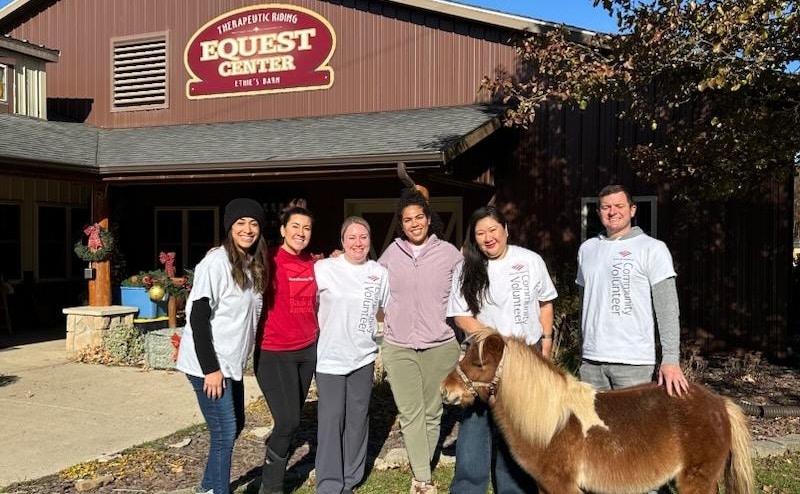
Equest Center highlighted as Bank of America boosts year-round community support
Bank of America’s Day of Giving showcases its ongoing volunteer partnership with Equest Center; Lakeshore Advantage selected as bank’s 2025 Neighborhood Builder.
Retailer Hank Meijer shows off his storytelling talents at Dutch American celebration
At Dutch-American Heritage Day, retailer leader and author Hank Meijer reflects on family stories, immigrant roots, and the legacy of Fred and Lena Meijer.

It’s hard for foster kids to get the health care they need, but this project is working to change that
A Grand Valley State University project is working to create an integrated mobile care team to serve foster kids’ complex health needs.