
Michigan Food Club Network names leader to expand innovative model
Lura Barber leads statewide Food Club Network expansion, scaling grocery-style access model that improves food choice, dignity, and community-driven solutions.
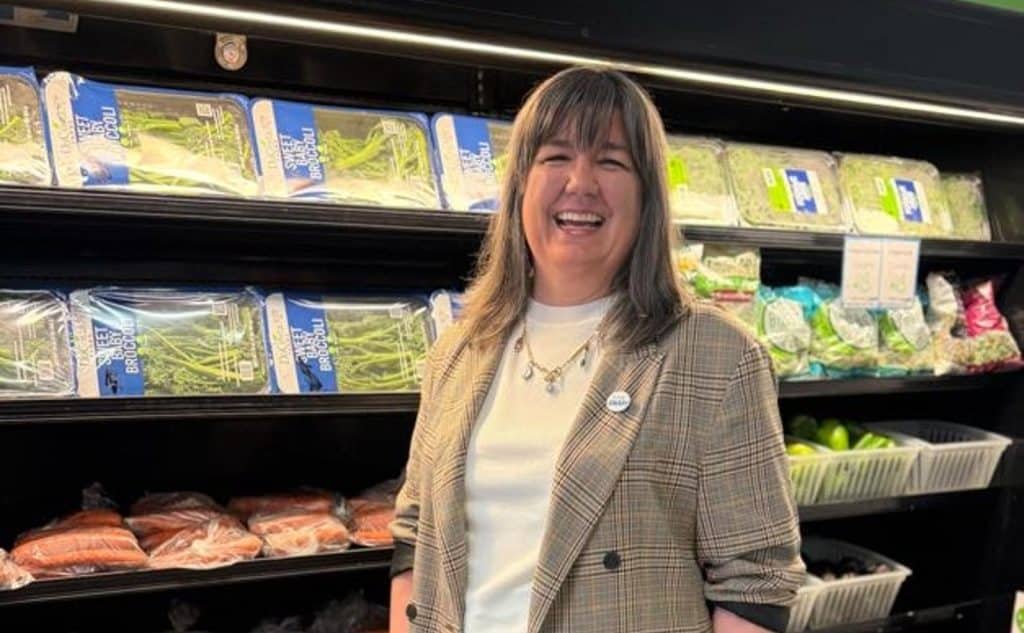
The Food Club Network began as a way to give people more choice in how they access food by operating more like a grocery store than a pantry.
That idea has grown into a statewide effort. Early supporter Lura Barber will serve as its founding executive director as the network becomes an independent nonprofit.
As board chair of the Community Food Club of Grand Rapids, she saw how its approach, which lets members choose their own food, worked in practice.
The model has spread beyond West Michigan to serve tens of thousands of people. New food clubs are forming in other communities, such as Saginaw. The network has also become more organized, focused on shared resources, training, and advocacy.
“Food clubs are changing lives across Michigan, providing families not just with groceries, but with the dignity of choice,” Barber says. “What started as a local idea has grown into something much bigger, and Michigan is ready for more of it.”
The Food Club Network is moving out of its incubator phase. It began within the Community Food Club, but Barber will guide the transition to a standalone nonprofit.
“Demand for our services is growing, and the landscape for food and nutrition assistance is shifting,” says Scott Rumpsa, CEO of Community Action House in Holland and a steering committee member.
Barber brings experience in national nonprofit work, including roles at the National Council on Aging and Benefits Data Trust. Supporters say her long involvement with Food Club Network, which began when the organization started in 2015, gives her a clear view of what comes next.
Rapid Growth caught up with Barber to talk about her history with the Food Club Network and her vision for its future.
Rapid Growth: You first became involved with the food club model through your work with Community Food Club in Grand Rapids. What initially drew you to this work?
Lura Barber: When I began volunteering at Community Food Club, I already knew the data on food insecurity. What changed me were the everyday moments in the store. I watched members walk the aisles with a cart, compare brands, decide what produce their kids would actually eat, and I realized how rare that level of choice and ease is in a charitable setting.
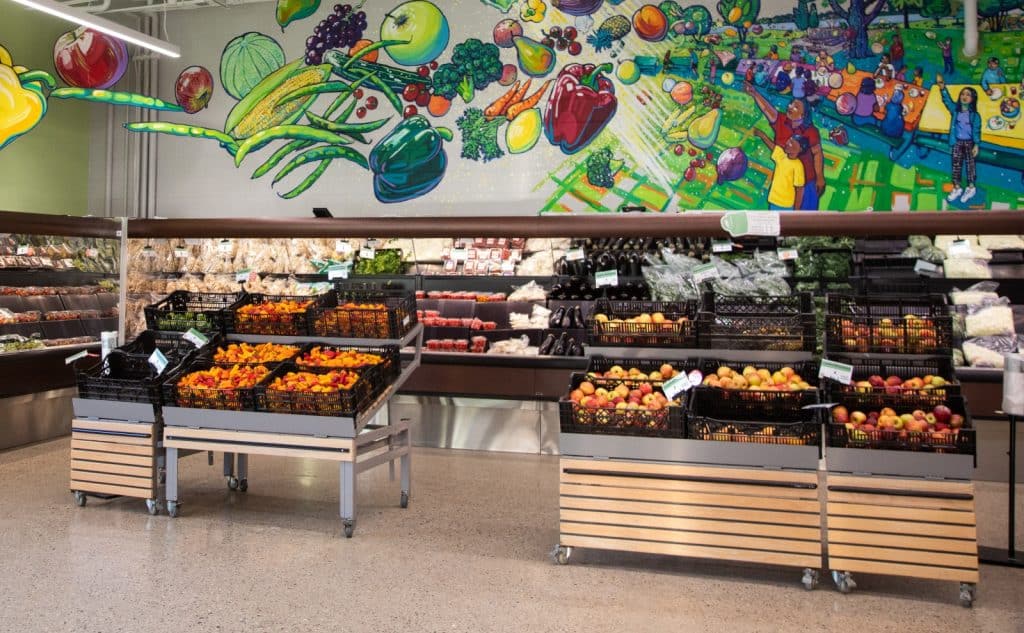
I had spent years around food access programs that were generous but often unintentionally limiting and complicated, with rules and paperwork that placed extra burden on people already stretched thin. Food clubs are membership-based grocery stores that provide choice, flexibility, and access to healthy foods. At Community Food Club, members pay a modest monthly fee and shop in a space that looks and feels like a neighborhood grocery store, with membership also connecting them to other services and programs.
What drew me in was the combination of dignity and practicality. The model honored people’s time and preferences, made smart use of rescued food and community partnerships, and it was easy to imagine other communities adapting it for themselves.
RG: Now that you’re stepping into the role of founding executive director of the Food Club Network, what excites you most about leading this effort?
LB: What excites me most is how much possibility already lives in local communities. I meet people who know their pantries and programs are doing everything they can, and who are curious about models that can sit alongside that work and offer more choice, consistency, and fresh food.
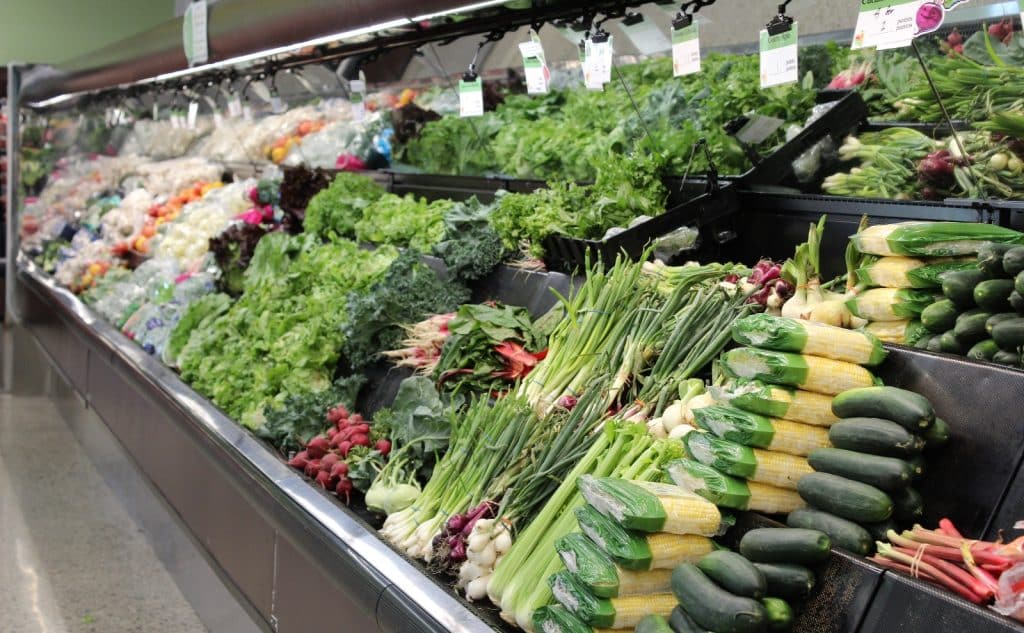
Many communities also see neighbors who still fall through the cracks. Food clubs can be a strong fit for families who earn just a bit too much to qualify for other supports, or who are working multiple jobs and need hours and options that fit their lives. Health care partners are increasingly interested because they know food is central to health.
As the founding executive director, I get to help connect communities with a model that has been tested in West Michigan and adapted to local realities, offering tools, lessons learned, and a community of peers so no one has to build alone.
RG: Since those early days, the food club model has grown significantly. How have you seen it evolve?
LB: In the early days, we were proving that a membership-based, grocery-style model could work at all. Since then, food clubs have refined everything from point systems that nudge people toward more fresh produce, to store design, to how member voices shape decisions about what goes on the shelves.
We have seen the model flex in really encouraging ways at the Community Action House Food Club & Opportunity Hub (Holland) and Lakeshore Food Club (Ludington). Interest has grown beyond West Michigan to include the Saginaw Community Food Club, which will open later this year. Regardless of location, the core principles stay the same: dignity, choice, and affordable access to a wide range of foods. The details look different in a rural county than in a city neighborhood, and food clubs often operate alongside existing pantries, meal sites, and health-related programs.
We have also grown up in how we document and share what works. Food clubs are collecting better data, inviting members into leadership, and in some communities partnering with health care payers and providers that see food as part of preventing and managing disease.
RG: You’ve worked at both the national and local levels on food access. How have those experiences shaped your approach to this new role?
LB: Local work taught me that the most important insights come from face-to-face conversations. Members and volunteers will tell you quickly when something feels difficult or confusing, or when a system is asking too much of people who are already juggling a lot.
National work showed me how policy shifts and funding decisions land in real communities, and how much we ask of local organizations that are already stretched. It also showed me how powerful it can be when local stories and local data speak into that larger conversation, including in health care and public health spaces.
In this role, I want the Food Club Network to be a bridge, standing alongside existing programs, lifting up local experience in ways that funders and policymakers can hear, and helping communities add a food club where it makes sense as part of a broader ecosystem.
RG: Where do you see the Food Club Network heading in the next few years?
LB: I see the Food Club Network walking closely with more communities that are ready to try something different. Some will be starting from scratch. Others will be transforming an existing pantry, community hub, or church-based program into something that looks and feels more like a member-driven food club.
Our job is to make that work feel possible by sharing tools, coaching, and connections to peers who have done it before, so a new food club feels part of a larger community from day one. In many places, that will also mean working with health care partners who want to connect patients to reliable access to healthy food.
As more food clubs open and existing ones deepen their work, we will have a stronger collective voice to bring to the broader conversation about hunger. My hope is that people reading this will see themselves in that picture and reach out if they are wondering whether a food club could fill a gap in their communities.
Author
Related Articles
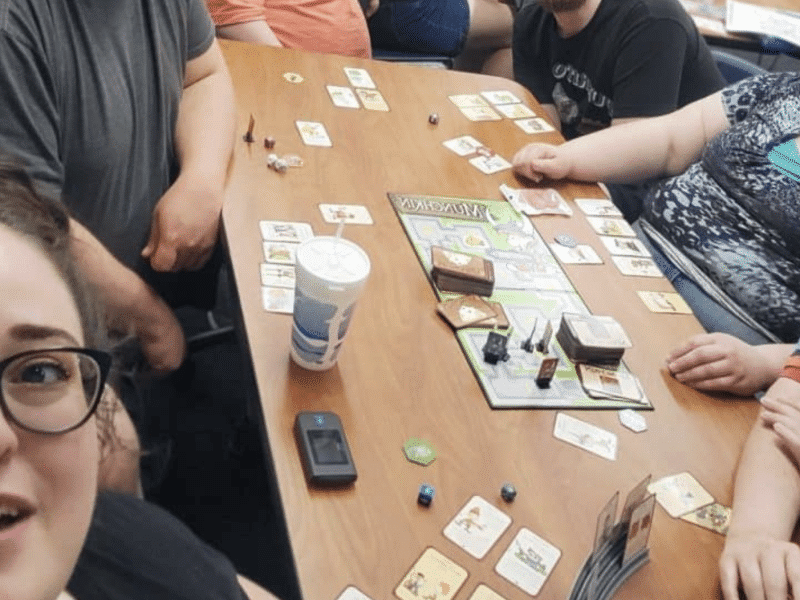
How a gaming group created a friendship circle for people with disabilities
Disability Network Northern Michigan’s gaming group reduced isolation, inspired friendships, and even inspired an effort to create a nonprofit for railroad preservation.
#RG20LookBack: Placemaking’s missing piece is you
In his 19th #RG20LookBack, Rapid Growth Publisher Tommy Allen revisits the 2013 piece “RapidBlog: Reflections on the DAAC” by Emma Heemskerk, reflecting on one of Grand Rapids’ small but vital cultural spaces where culture was created through participation, not just consumption.
#RG20LookBack: Sunday Soup and the power of community support
In his 17th #RG20LookBack, Rapid Growth Publisher Tommy Allen revisits Juliet Bennett Rylah’s 2010 story on the rise of community investment funding in the urban core.


