
New Pine Rest urgent care center offers quicker psychiatric help for youths
As youth mental health needs strain Michigan families, Pine Rest opens its new Pediatric Center of Behavioral Health. The center offers expanded inpatient treatment, the state’s first pediatric psychiatric urgent care center, and new services for children and adolescents.
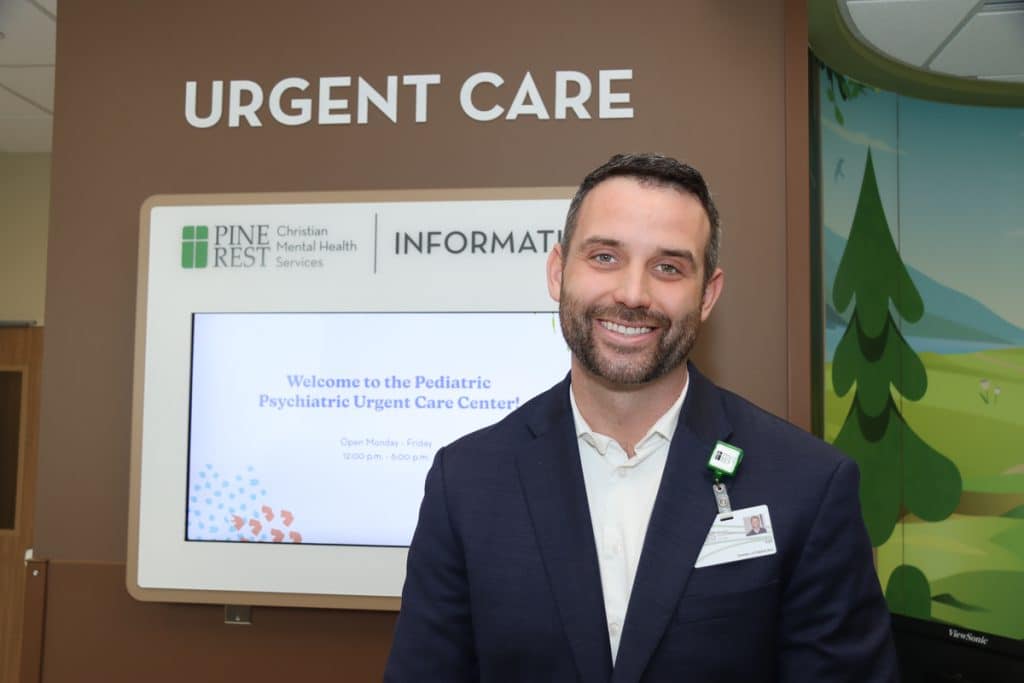
For too many families, a child’s behavioral health crisis still begins not with care, but with waiting.
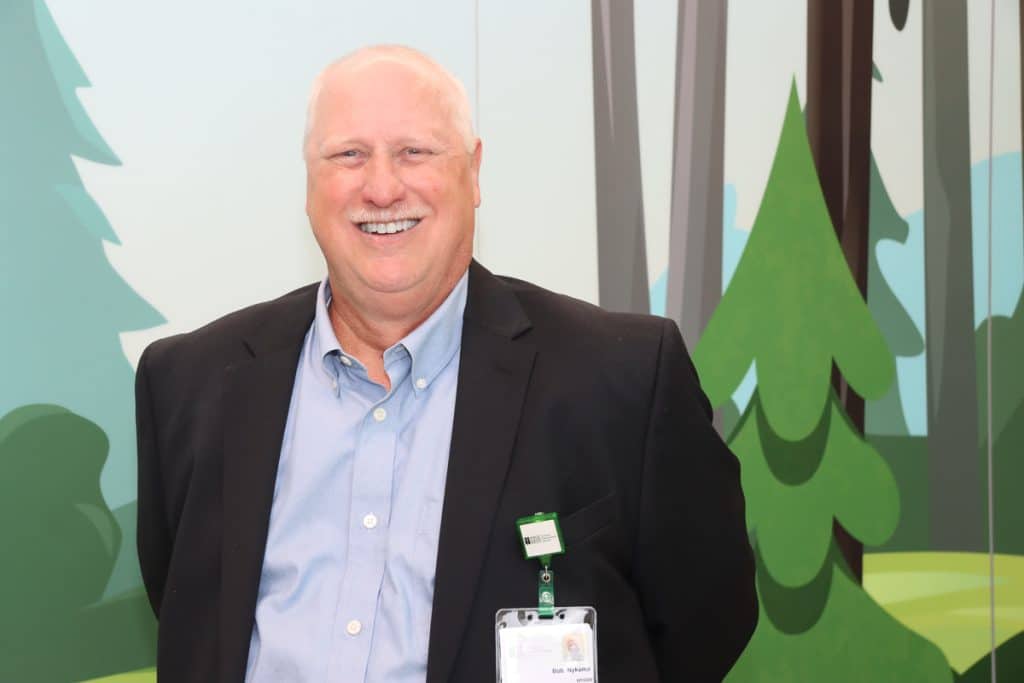
Bob Nykamp, vice president and chief operating officer at Pine Rest Christian Mental Health Services, puts the problem in blunt human terms. Before the arrival of Pine Rest’s Pediatric Center of Behavioral Health, he says, some children were waiting five months to see a psychiatrist and nine months for a psychological assessment for ADHD.
“Would a parent ever consider waiting nine months after their child got diagnosed with leukemia?” he asks. “No, of course not.”
That gap is what Pine Rest aims to close with its new pediatric center, which officially opened for admissions on March 23. The new facility increases inpatient capacity to 66 beds, introduces Michigan’s first pediatric psychiatric urgent care center, and offers additional specialty assessments and treatments, including a partial hospitalization program for eating disorders.
Together, these pieces offer something families often say they cannot find in a moment of distress: a clear front door, a quicker response, and a continuum of care that does not end when the most critical moment passes.
Early intervention
The pediatric mental health urgent care model at Pine Rest is the organization’s second such initiative, following the 2019 opening of the Psychiatric Urgent Care Center for adults.
Kyle Hofmaster, Pine Rest’s director of patient access, says the aim is to intervene early enough so that many young people never have to be hospitalized.
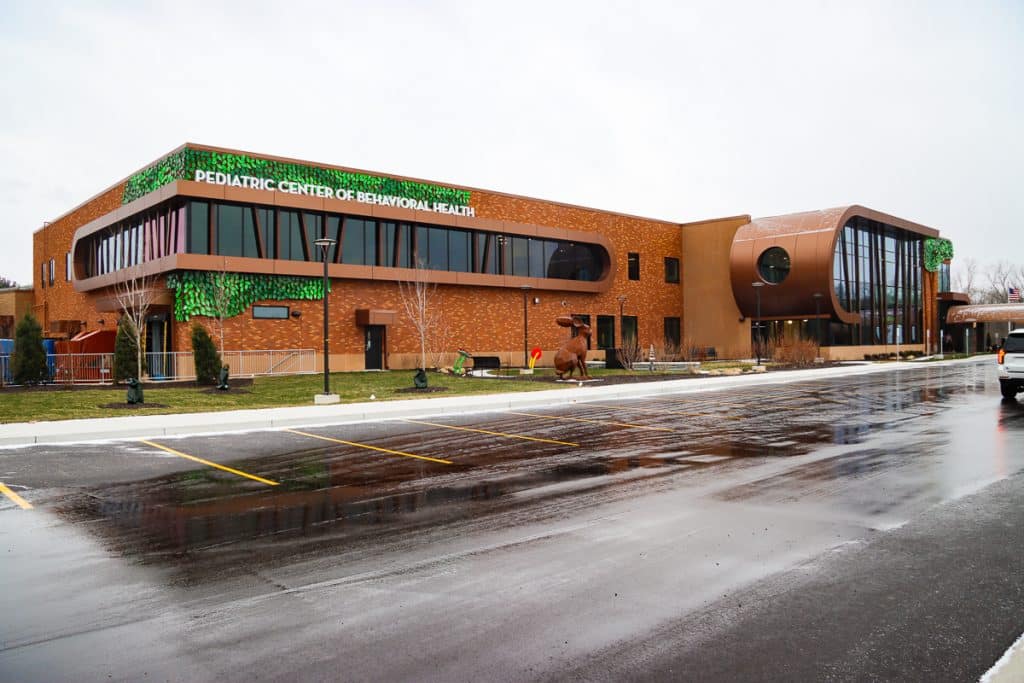
Rather than waiting weeks for an outpatient appointment or sitting in an emergency department not equipped for behavioral health care, families can directly access a team of psychiatrists, social workers, nursing staff, and intake support.
Since Pine Rest launched its pilot on Jan. 5 in a different building on campus, Hofmaster reports, it has already treated 300 patients from 26 counties.
“This is a game changer,” Hofmaster says, noting that most children seen at the urgent care center go home with a safety plan, school coordination, and sometimes medication support rather than needing to be admitted.
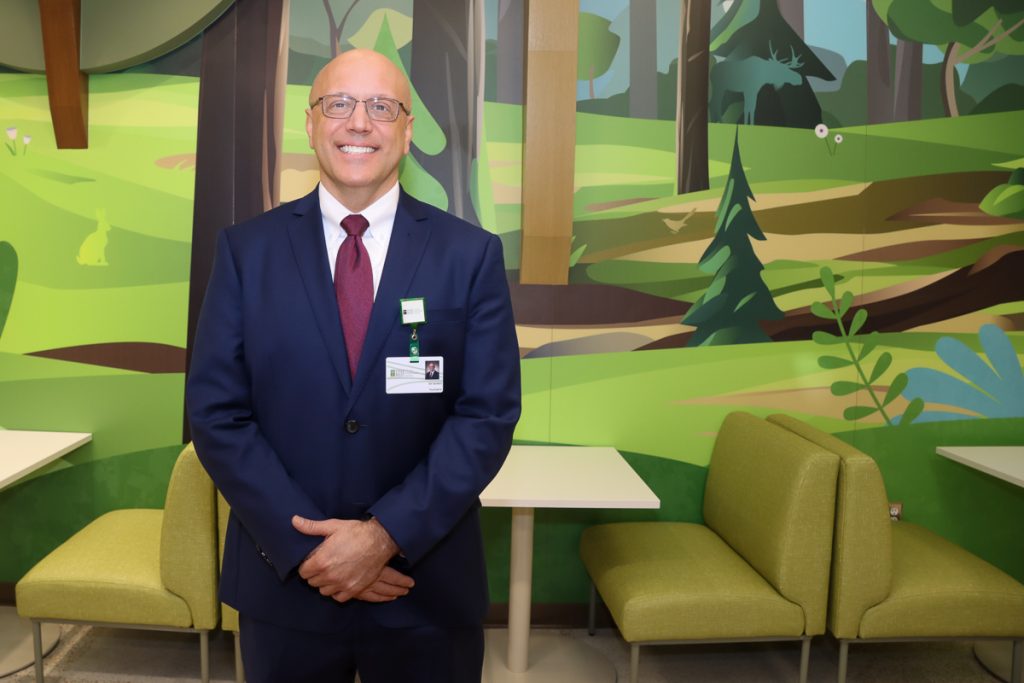
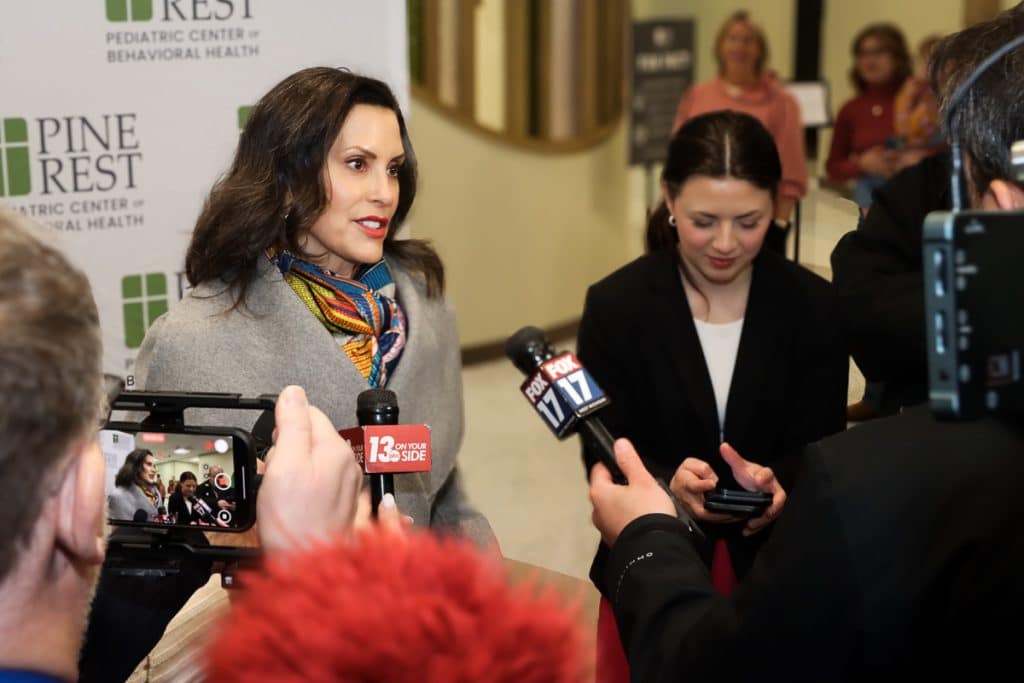
In a health care landscape where children in crisis can end up boarding in emergency departments for days, that is no small change. It is also why Gov. Gretchen Whitmer, who spoke at the center’s opening, boiled the issue down to one sentence that cut through the ceremony: “Mental health care is health care.”
Creating a safe zone
But what stood out during the opening was not only the scale of the response. It was the degree to which Pine Rest is trying to make the place itself feel less frightening.
Susan Langeland, vice president of continuum development and chief information officer, notes that the center is projected to assist over 10,000 children annually. However, equally significant is the design process that sets the tone for those experiencing this center.
Families, young people, staff, and former patients were involved early on to discuss what makes a child feel safe enough to seek care. This input influenced the design, from the building’s treehouse theme and canopy-like entrance to the use of color, natural light, artwork, smaller nooks, and inviting spaces that encourage children to leave their rooms and engage in therapy.
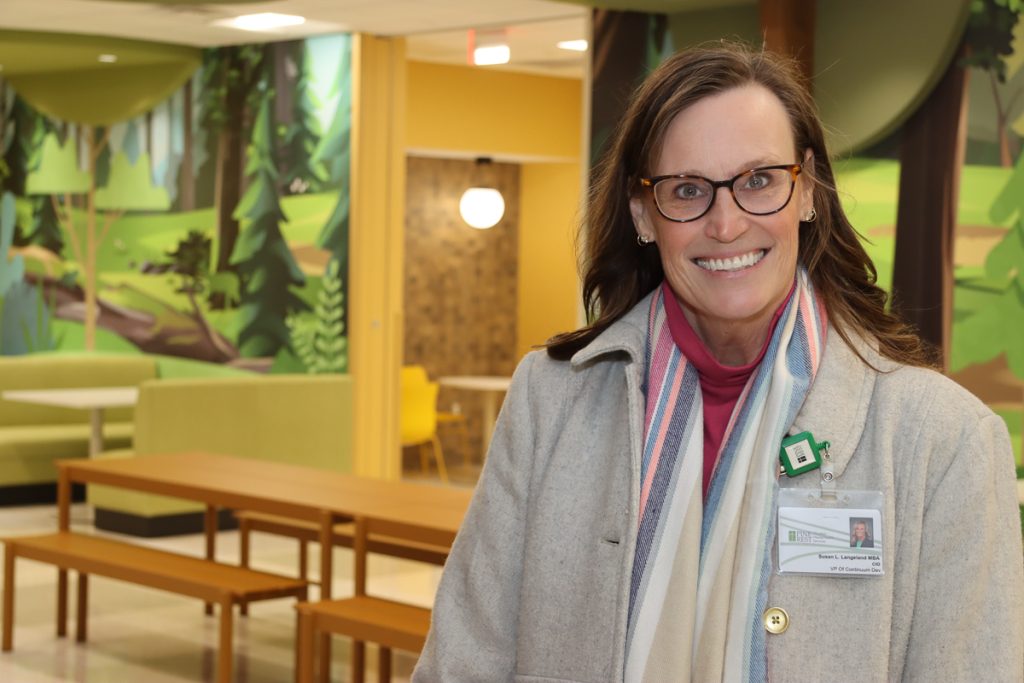
William Sanders, Pine Rest’s chief medical officer, says the design was created to steer clear of the sterile hospital atmosphere. Children can enjoy open gathering spaces, activity zones, music and art areas, a gym, and secluded spots for quiet moments. For youths in the eating disorder program, a dedicated kitchen is available to facilitate treatment and education. The space feels designed to reduce fear even before the first therapy session starts.
This is important because the center is not only about increasing beds but also about expanding access and care methods. Sanders explains that the facility seeks to better support children who, in the past, might have been stuck in an emergency department because they were too upset, medically complex, or difficult to place elsewhere. Recognizing patients for who they are and understanding their context are key factors in guiding them towards successful care.
He highlights common diagnoses, including depression, severe anxiety, bipolar disorder, disruptive mood disorders, and autism-related needs, while also emphasizing the need for improved diagnostic procedures, ranging from psychological testing to more personalized treatment planning.
The center also emphasizes flexibility over the hard institutional lines families often encounter. For example, Sanders says the way many disability services place a hard cap on youth services at age 18 “is just not appropriate” in some situations, and that Pine Rest can flex ages in certain circumstances when a younger setting remains the right fit. This perspective views the patient as a person rather than just a number – in this case, age.
Nykamp adds that children with developmental disabilities do not just age out of Pine Rest but transition in a thoughtful and caring manner.
‘This is for everybody’
For some people, particularly queer youth and families cautious of faith-based institutions, the term “Christian” in Pine Rest’s name might cause hesitation. Sanders openly addresses that question.
LGBTQ youth, he states, should feel “supported, heard, understood, and have access to resources so they can thrive.” He emphasizes a key message for families considering seeking help: “We want them to hear loud and clear … this is for everybody who needs help.”
That response doesn’t negate the fears some individuals carry into a setting like this. However, it indicates that Pine Rest recognizes its responsibility to build trust, particularly with communities that haven’t always been treated kindly by faith-based institutions.
In this context, a more pertinent question might focus less on the name and more on what happens inside: do children feel secure, are families shown respect, and does care continue beyond the crisis? These markers of care distinguish a good institution from a great one. We are all constantly evolving, and health care in our region has made significant progress through the addition of compassionate care.
There are, of course, limits to what a single building can address. Langeland notes that the community will guide Pine Rest in identifying the remaining gaps. Some families farther from Grand Rapids might prefer follow-up care closer to home through Pine Rest’s many state partnerships. Others will depend on the organization’s extensive outpatient network and telehealth services.
No single center can alone address the larger pressures impacting youth mental health. Nonetheless, this opening is meaningful because it provides a more compassionate response to a problem that families are all too familiar with.
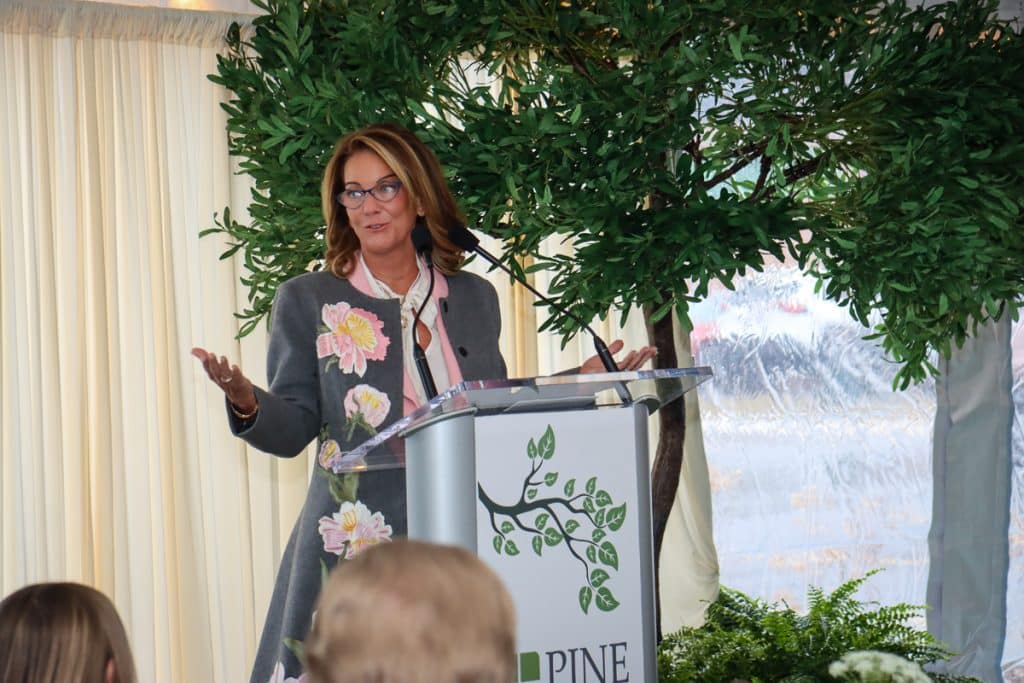
During the ceremony, Carol Van Andel remarked, “West Michigan, once again, has a special ability to lead others.” If this center succeeds, the key takeaway might be that a region renowned for furniture, philanthropy, or beer can also recognize that waiting is no longer acceptable when children face emotional crises.
Photos by Tommy Allen
Related Articles
When everyone is welcome: How Michigan’s CCBHCs are changing care
CCBHCs have been improving access to quality mental health care for Michigan residents since 2021.
Grand Rapids consortium launches youth sexual health toolkit addressing care gaps
New online resource provides evidence-based sexual health guidance for youth, families, and clinicians, aiming to reduce misinformation and barriers.
From Super Green Market to the clinic: two sisters and lessons learned from a community care model
Awatef and Ayah Ayesh are training within a community-based medical school model that encourages future physicians to consider the whole person and to view listening as a vital form of care.


