
United Ways, Disability Network partner for Disability Equity Challenge
To help people better understand the challenges faced by those with disabilities, the United Ways in Michigan have launched the 21-Day Disability Equity Challenge.
To help people better understand the challenges faced by those with disabilities, the United Ways in Michigan have launched the 21-Day Disability Equity Challenge.
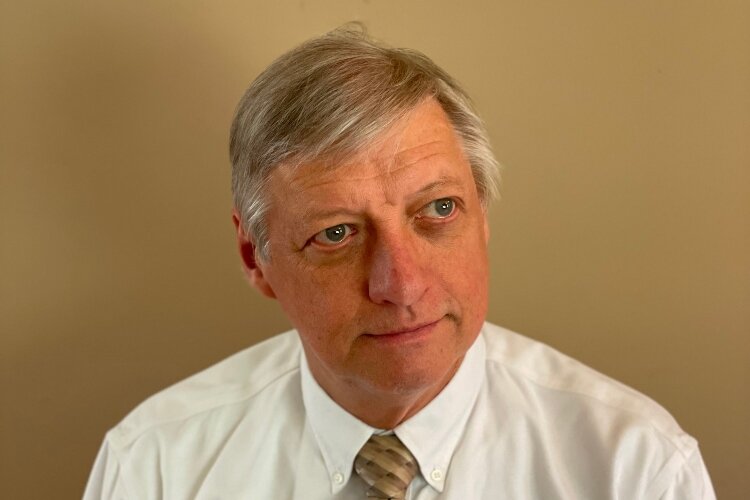
From affordable housing to accessible transportation, big-picture thinker Paul Ecklund works to make lasting changes by changing systems.
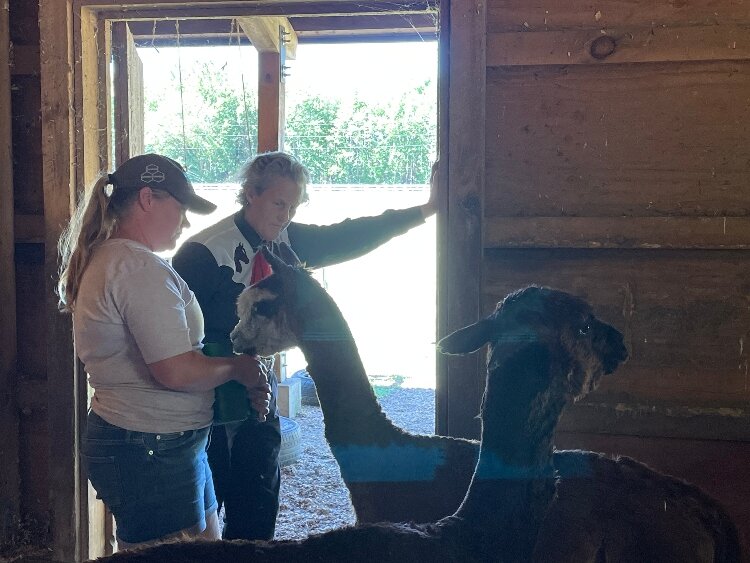
Temple Grandin, whose work inspired the founder of Benjamin’s Hope, visits the Holland farmstead community for adults with autism. She’ll return for a 2023 event.
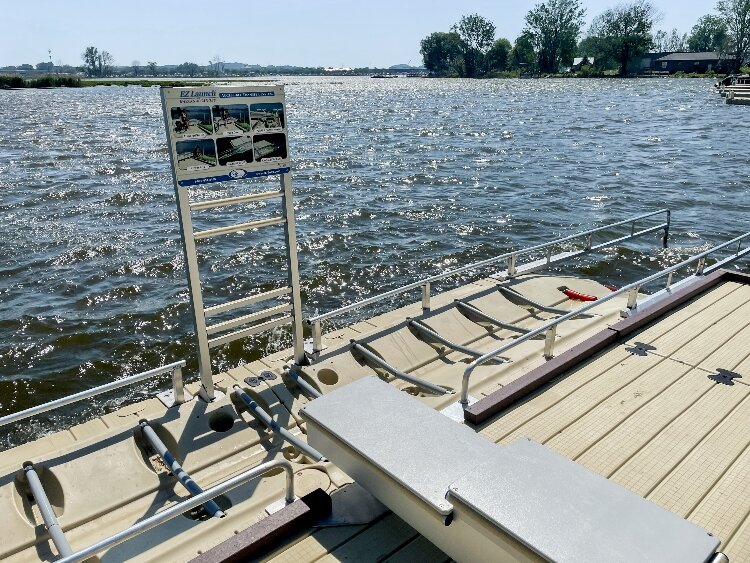
Recent projects in Spring Lake and Grand Rapids are examples of how accessibility to waterways is becoming a priority in state and local parks. Increasing accessibility is a priority for the state, which is providing grants for these projects.
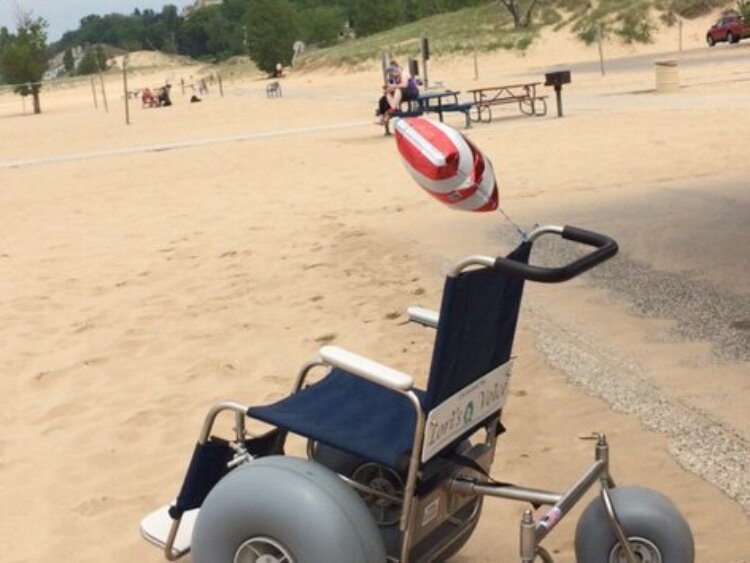
“It has been wonderful to hear the stories of families being able to enjoy the beaches and trails together for the first time. The stories go on and on,” says Michelle O'Kelly, coordinator for DNR Fund and Resource Development.
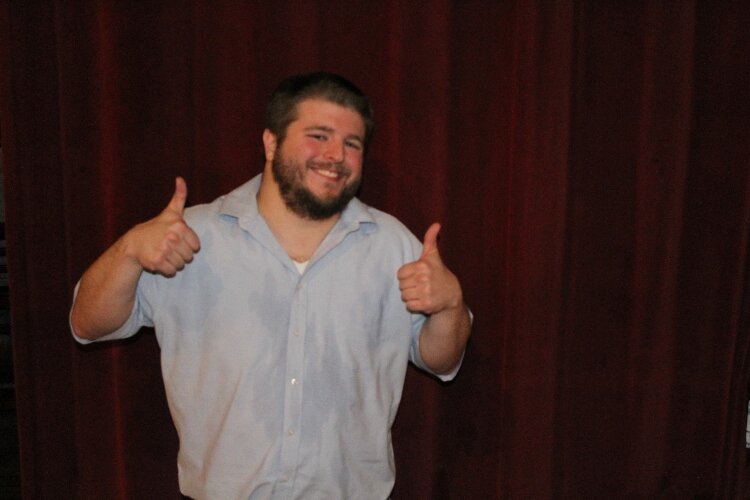
Jon Cauchi, who became blind at age 12, performs a comedy routine called “The Real and Funny Side of Having a Disability” that brought down the house during Laughfest in March 2020.
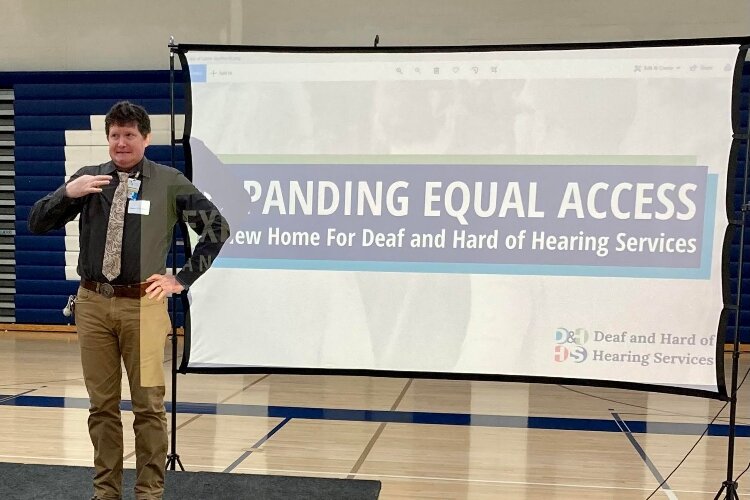
Responding to clients who were frustrated about missing out on critical COVID-19 information, staff at Deaf and Hard of Hearing Services in Grand Rapids made changes to better serve them.
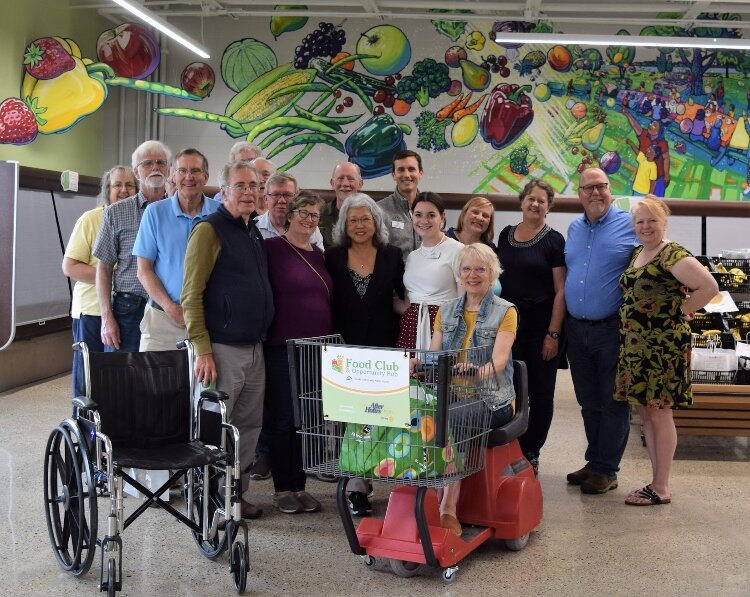
Organizations are stepping up to donate equipment that increases or improves access to public spaces for people with disabilities. Most recently, track chairs were gifted to Holland State Park and a motorized shopping cart was given to the Food Club in Holland.
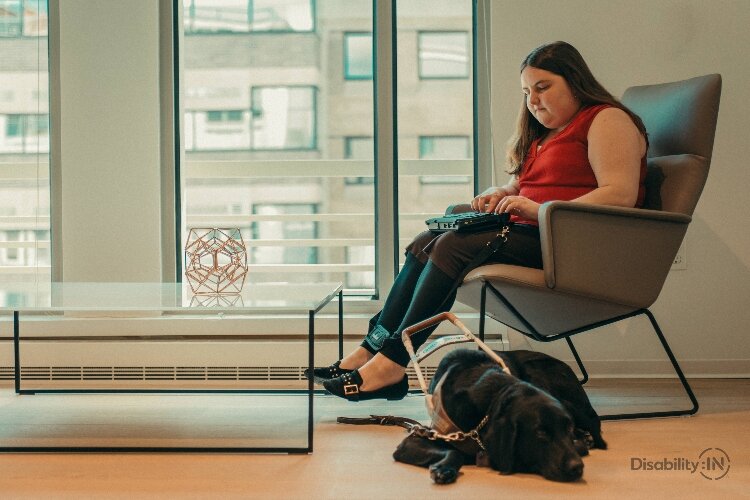
Despite a labor shortage, people with disabilities are dramatically underemployed. But there are employers leading the way in providing accessible accommodations so they can tap into this often-overlooked talent pool.
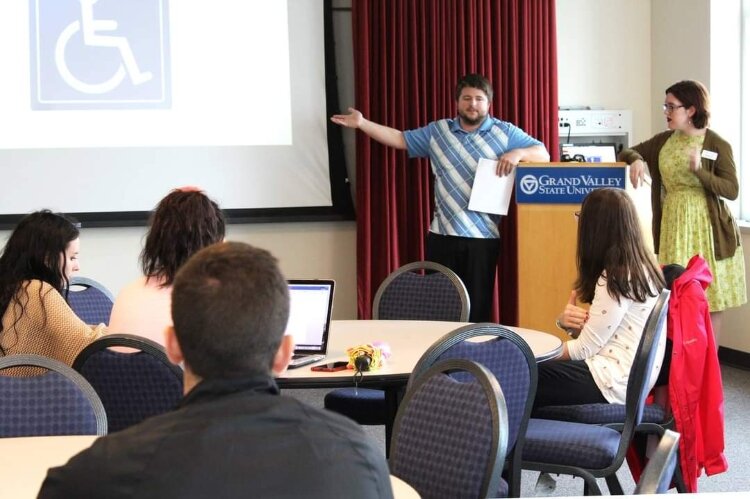
Persons First Language is replacing ableist language that devalues people with disabilities by erroneously implying they are abnormal.
Our Partners


