
Shortage of affordable housing squeezes economic growth, report says
Developer Day report explores responses to housing shortages, industrial demand, and changing market conditions.
At 37, the average first-time homebuyer in America is nearly a decade older than the typical buyer was in 2010.
Tim Mroz says that statistic illustrates one of West Michigan’s biggest economic development challenges: a shortage of housing that workers can afford.
“The problem is you’ve got a huge market that’s just sitting on the sideline right now,” says Mroz, senior vice president of community development at The Right Place.
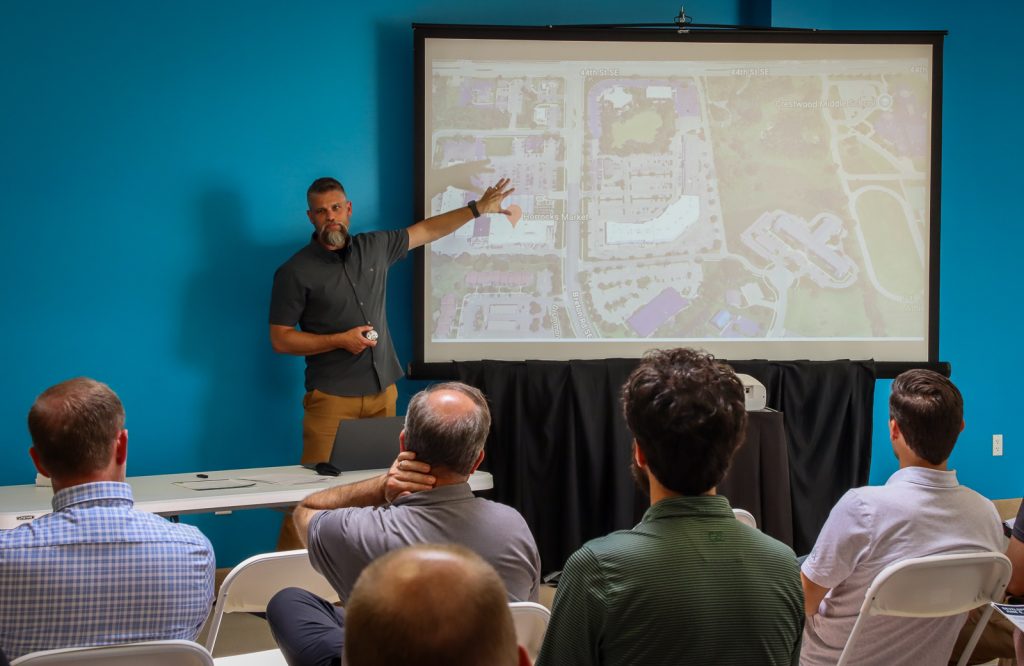
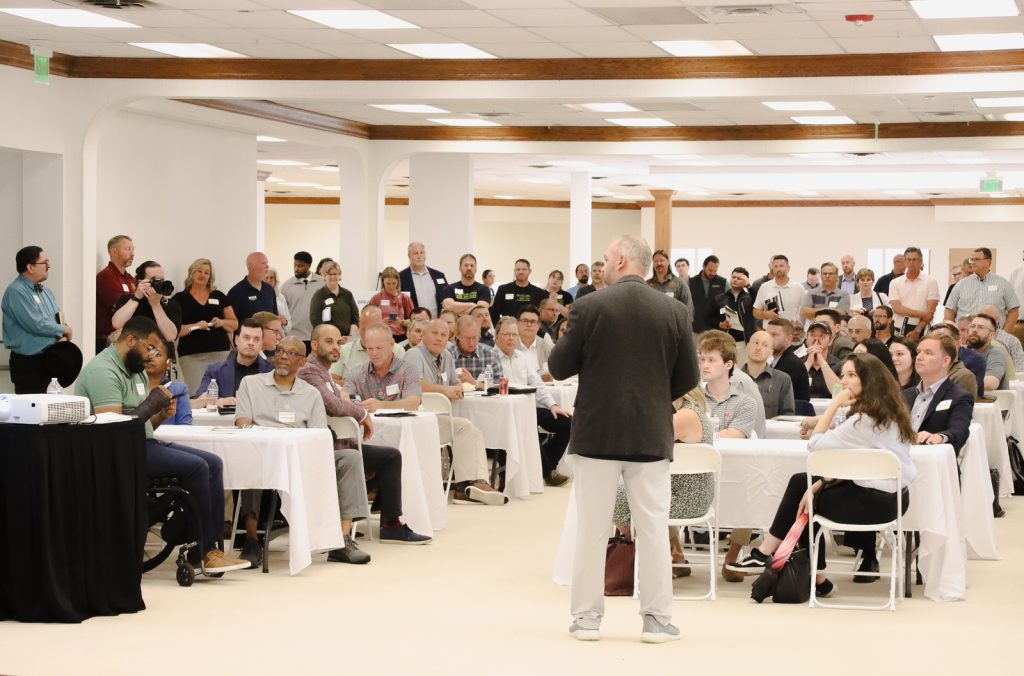
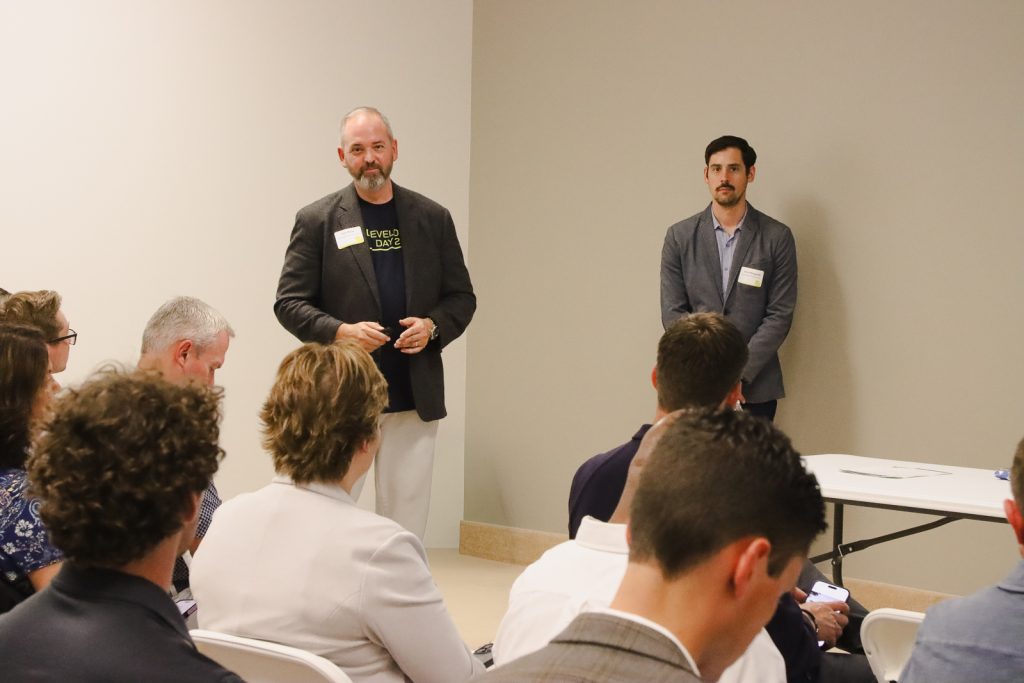
Mroz and John Wiegand, business intelligence manager for The Right Place, shared findings from the 2026 Development Report during Developer Day ahead of the report’s June 10 release.
The 28-page report examines trends in industrial, office, retail, and housing development across the Greater Grand Rapids region. Drawing on market data and insights from developers, brokers, and economic development leaders, it highlights the opportunities and challenges shaping future growth. Another resource is The Right Place Opportunity Site Map.
Mroz describes the report’s outlook as “cautious optimism.”
“We’re seeing optimistic signs out there, we’re seeing progress out there, but people are moving very tepidly,” he says.
Housing shortage hampers growth
Housing affordability is one of the report’s central concerns. Only 21% of home sales go to first-time buyers, and high mortgage rates and a shortage of homes for sale continue to make buying a home difficult.
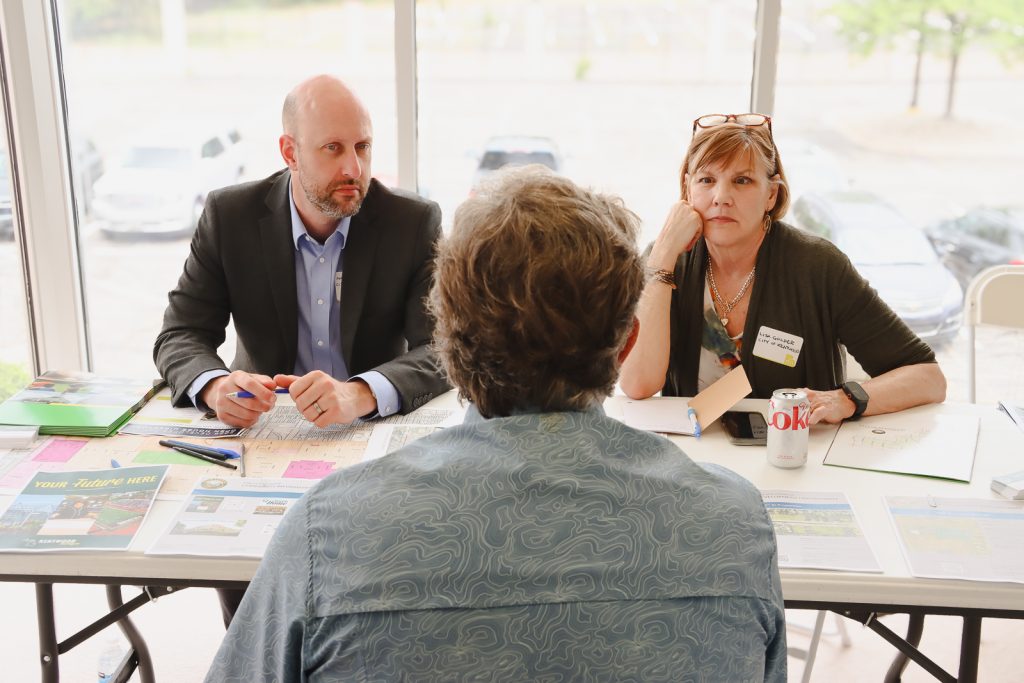
Industrial demand remains strong, retail activity has improved, and multifamily construction continues across the region. However, Mroz says, each of those sectors faces pressure from the limited housing supply. Jobs are being created, but housing inventory has not kept pace with demand. Workers need places to live if communities expect them to fill jobs and remain in the region.
“People need to live someplace,” Mroz says. “They can’t live at their office 24 hours. They need to go home to something.”
Space for industry squeezed
Industrial development continues to play a major role in West Michigan’s growth. But with few vacant buildings available, companies often struggle to find the space they need. That can make it harder to attract new businesses because companies looking for large buildings often have more choices in other regions.
Wiegand says The Right Place has seen fewer requests from companies searching for land or buildings over the past two years.
Many companies looking for space want industrial buildings of about 50,000 square feet. That creates opportunities for developers who can build projects of that size. However, rising construction costs, high interest rates, and stricter lending rules continue to make new development more difficult.
“What we’re hearing anecdotally is there has been a significant amount of lender pullback,” Mroz says.
Retail bounces back
Retail activity has strengthened after a slower period. Wiegand said inquiries are increasing, particularly for Class B and Class C retail properties, which are generally older buildings with lower rents than newer, premium retail spaces. However, some downtown business districts continue to experience lower foot traffic than before the pandemic.
The office market continues to adjust as employers evaluate their space needs. Landlords have focused more attention on retaining tenants and updating existing properties.
“It’s a lessee’s market heading into 2026,” Mroz says. “Landlords have a clear choice: reinvest or fall behind.”
Multifamily housing continues to attract investment. Rental demand remains strong, and a recent increase in vacancy rates reflects newly completed projects entering the market rather than declining demand.
“Everything seems to be trending upward for multifamily at a relatively sustainable rate,” Wiegand says.
Photos by Tommy Allen
Author

Related Articles
#RG20LookBack: The Grand River is having the moment we imagined—together
In his 12th #RG20LookBack column, Rapid Growth publisher Tommy Allen revisits the 2008 story, “A River Runs Through Green Grand Rapids,” which now reads like an early spark for everything unfolding along the Grand River today.
Bamboo Grand Rapids connects Michiganders by providing a third space that also combats loneliness
A once-vacant building in a creative Grand Rapids neighborhood now houses Bamboo’s expanded location, offering flexible workspace and connections to local and statewide innovation networks.

From Hamburg to Michigan: How Global Detroit helped a biotech founder stay, work, and build
After immigrating from Germany, Max von Wels co-founded a biotech startup in Michigan. With Global Detroit’s help, he secured a visa and a future in tech.


