
Trails as talent magnet: Outdoor access is key part of West Michigan’s ‘why here’ conversation
Trails and greenways are no longer just for weekend leisure. Regional leaders say outdoor access has become a key factor in recruiting and a crucial “quality of life” indicator for the contemporary workforce that West Michigan aims to attract and retain.
When we started Rapid Growth Media’s Trails & Greenways series in April, we focused on rural Michigan, where gravel roads and outdoor events help shape a town’s identity. This reporting emphasized that outdoor recreation is more than just fun; it reflects community values and the lifestyle residents can develop. (rapidgrowthmedia.com)
As we wrap up this series, the same theme appears in a new context—workforce development and business attraction. Regional leaders note that trails, greenways, and outdoor access are becoming critical to West Michigan’s efforts to attract people and employers and ensure long-term vitality.
“Top three” isn’t just a vibe, it’s what recruiters are hearing
Tim Mroz, senior vice president of community development at The Right Place, says trails and outdoor access aren’t just a lifestyle perk; they’re now part of the recruitment conversation.
“Outdoor recreation often plays a key role when it comes to attracting and retaining talent,” Mroz says. “Trails, greenways, and outdoor recreation are often in the top three considerations for relocating talent.”
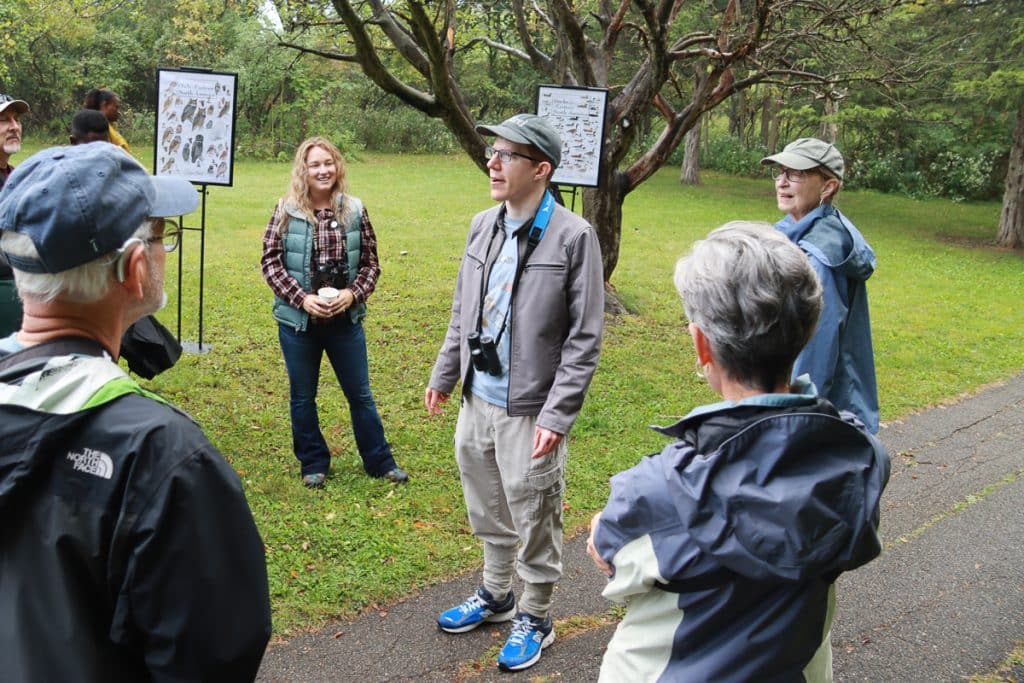
Kelly Wandel, director of talent initiatives at Lakeshore Advantage, hears a similar signal, especially from the emerging workforce (roughly ages 18–34).
“I think outdoor access – things like trails and greenways – certainly falls in the top three to five priorities for our emerging workers,” Wandel says, pointing to survey feedback and conversations through Lakeshore Advantage’s Next Gen Talent Council.
From her perspective, the question of “why move here” is becoming more comprehensive.
“Our HR advisory partners will often tell us that candidates are asking about lifestyle factors,” she says. “It’s not just, ‘Can I have this engineering job?’ It’s also: ‘What kind of lifestyle can I live if I come here? And am I going to be able to build a life for myself and for my family?”
What workers want: water, safety, connection … and the outdoors as identity
Wandel says the region’s natural assets consistently stand out.
“Access to Lake Michigan is absolutely tremendous,” she says. “And when we talk to people, safety and family and community connections also rise right to the top.”
She describes a simple exercise that made the point visually.
“We asked [young workers] to share pictures of their ‘happy places,’” Wandel says. “And most of them sent some sort of outdoor photo.”
For her, that pattern represents more than just a preference; it embodies identity.
“That tells you something about who we are as a region,” she says. “And it becomes a major factor in why people choose to come live here.”
Rural momentum and the case for building near the trail
Mroz cited Newaygo County, a region The Right Place serves, as a prime example of how embracing outdoor recreation can transform a rural area.
“Newaygo County has definitely doubled down on outdoor recreation as being a core part of the county’s brand,” he says. “As a result, the community is seeing increased interest from real estate developers, as well as overall general population growth, exceeding that of its neighboring counties.”
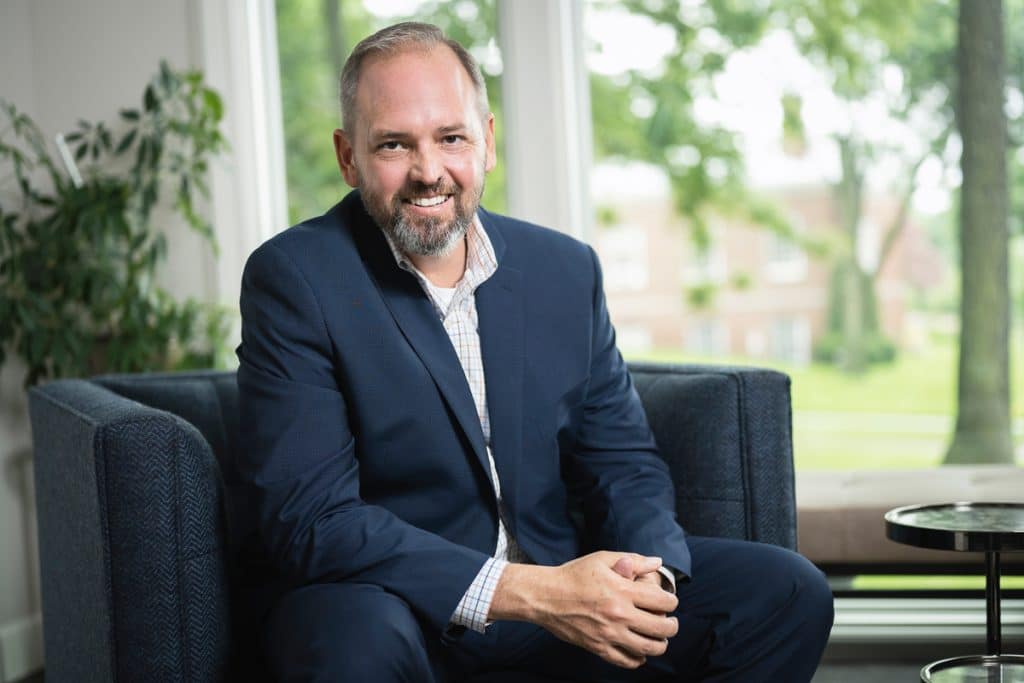
For Mroz, part of the rural opportunity involves practicality: linking trail use with local businesses and downtown activities.
“One of the easiest ways for rural communities to leverage outdoor recreation assets – and even benefit from a larger signature corridor – is to allow for and encourage development directly within or adjacent to those assets,” he says. “For example, the White Pine Trail has several opportunities to stop and engage with restaurants, bars, and other off-trail experiences.”
Beyond branding: the test of authenticity
Wandel clearly understands what appeals to younger talent when discussing regional identity and the increasing interest in trails as cultural corridors.
“They respond to work that feels authentic,” she said. “This younger generation appreciates it when things are less about flashy branding and more about the true identity of a place.”
She offers a method for understanding this based on her listening sessions at Lakeshore Advantage.
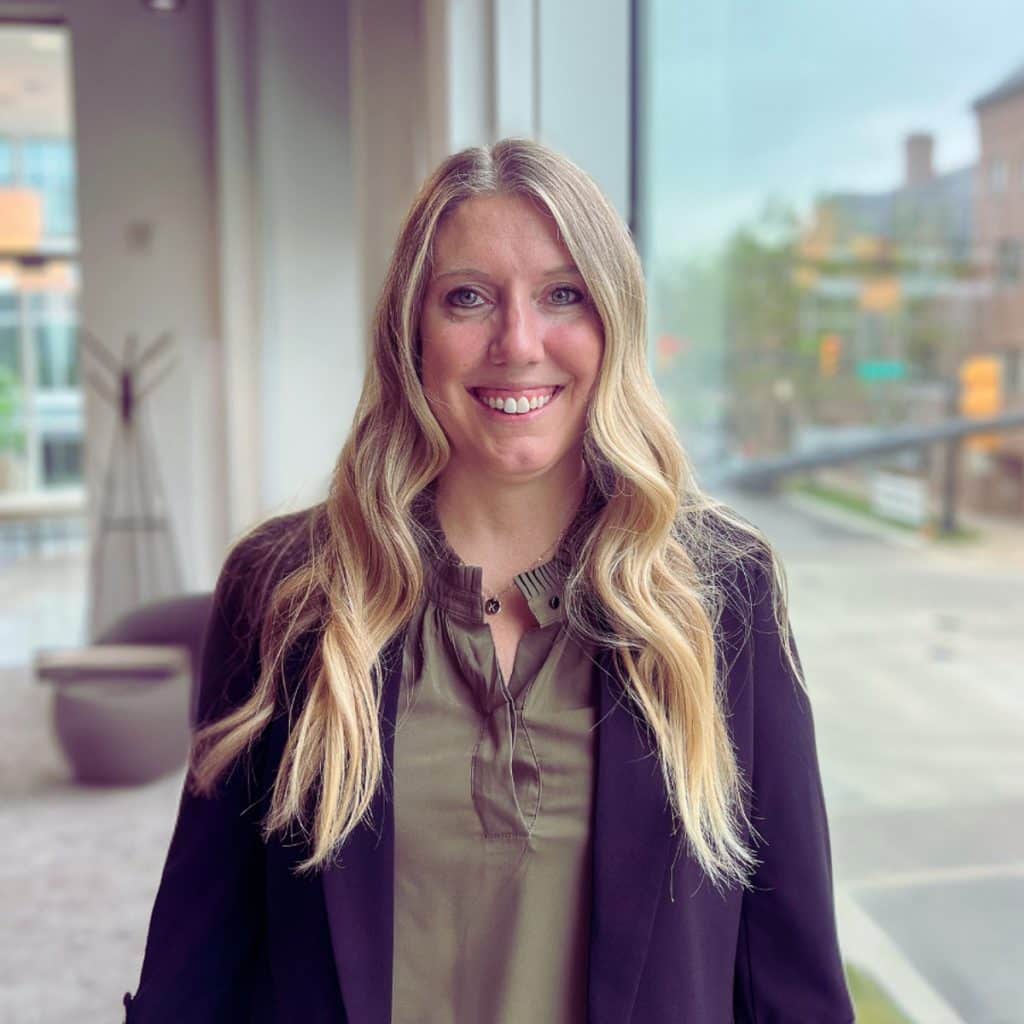
“If we keep blending the true identity of the Lakeshore into the culture, into the art, into whatever that community’s story is, then it’s going to feel more authentic,” Wandel says. “And it’s going to resonate with them more deeply.”
A “full loop” vision and understanding the hard gaps in between
Wandel says she hears consistent themes from employers and young professionals. When asked about future investments that could significantly benefit the region, she described connectivity as “connective tissue,” combining a trail idea with a social concept.
“We have the start of connective trails—this connective tissue of nature, community, and culture,” she says. “But if we could build a full loop, a larger, regionally connected trail, that would be pretty incredible.”
What she values most isn’t merely the route, but the opportunities it creates for communities.
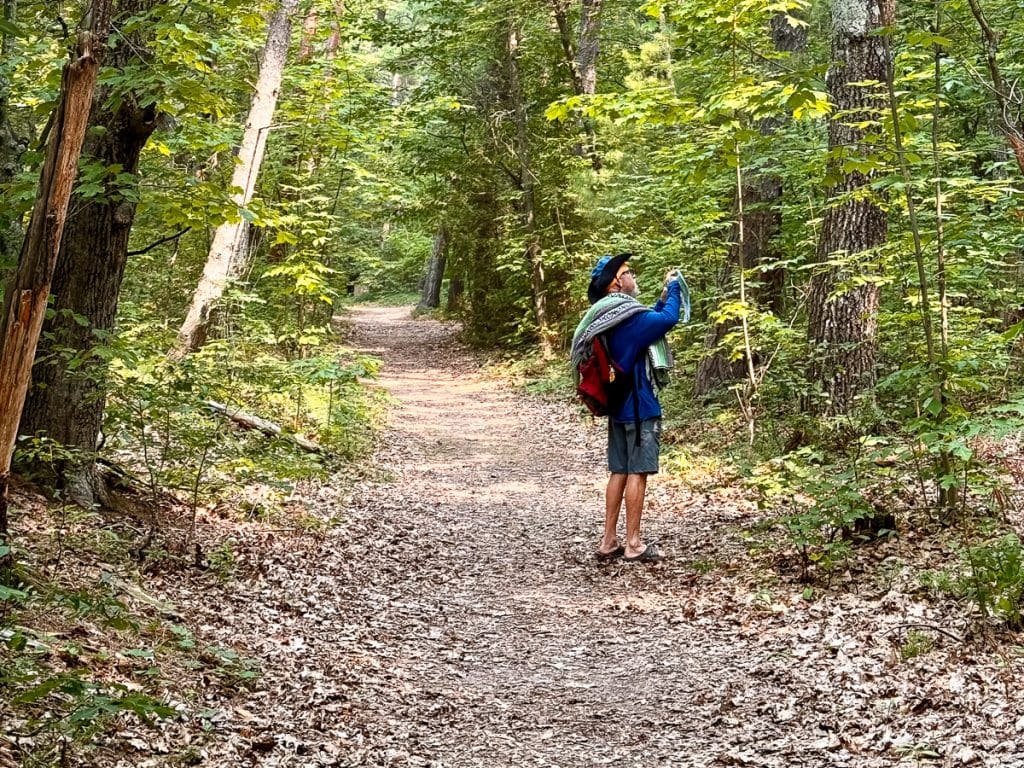
When Wandel discusses “hard gaps,” she isn’t only referring to missing trail sections. A network might appear connected on a map but still feel incomplete in real life if essential elements are missing – such as inadequate lighting, confusing wayfinding, inconsistent winter maintenance, unsafe or inaccessible trailheads, or barriers that prevent people with disabilities from using key segments.
In both rural and urban areas, the issue of connectivity goes beyond simply asking, ‘Can you bike from point A to point B?” According to Wandel, it asks deeper questions about the overall health of these systems: “Does this trail connect you to the places that make a community, its main streets, gathering spaces, parks, and local businesses?”
“West Michigan is a really broad term,” Wandel says. “But there are so many smaller communities that each have their own mark – its own story to tell. And if each community on that loop could hold a piece of the narrative – something special that connects neighborhoods, towns, businesses, parks, and outdoor assets – that would be really powerful.”
She clearly identifies the barrier.
“Yes, we’ve started it, but there are hard gaps,” she says. “And if we could make the investment to finish it, it could be vibrant for our community and it could connect the region in a really tangible way.”
Workforce pressures driving the amenities discussion
Wandel emphasizes that the need to build talent infrastructure isn’t just theoretical; it’s a matter of urgency.
“We have a large part of our workforce that will retire over the next five to six years,” she says. “So we need our emerging workforce to grow.”
She notes that the competition isn’t just local.
“This is a national phenomenon,” Wandel said. “It creates real competition for good talent. So what you’re describing—outdoor recreation spaces and what’s important to this generation—really matters.”
For her, it’s not just a vague discussion about quality of life; it’s about making an investment.
“We have to invest in the right things,” she says, “so that we’re bringing in the right talent.”
Listening is a good start and strategy
Wandel says the emerging workforce is not merely a demographic group but also a leadership pipeline in development.
“They’re our next generation of leaders,” she said. “We need them in our workforce. And if we’re going to recruit them, we have to listen to what makes them drive – what makes them tick.”
She is cautious about assuming that older leaders can determine generational preferences for others and stresses the importance of listening.
“Every generation is different,” Wandel says. “I can’t decide for them. And if I’m not listening, then I’m doing a disservice to that generation.”
Photos by Tommy Allen
With support from Friends of Grand Rapids Parks, Rapid Growth Media explores the future of outdoor recreation in West Michigan. This series examines key themes, including trail expansion, rural access, regional collaboration, youth engagement, economic impact, and park conservation, highlighting the opportunities and challenges shaping the region’s outdoor spaces.
Related Articles
5 things you may not know about Blandford School in Grand Rapids
Flora Duckworth-Guerra, a sixth-grader, uses five original illustrations to show what happens at Blandford. She highlights the songs, chores, doodles, “magic spots,” and confidence-building moments that make this year-long program unique compared to other school experiences in Grand Rapids.
The trail as a classroom: Indigenous knowledge, reciprocity, and the future of greenways in West Michigan
What began as a snow-day chat with Kaya DeerInWater soon evolved into a trail-side lesson in reciprocity, encouraging West Michigan to view greenways not merely as pathways to develop, but as relationships to respect.
Sixth grader featured on Kelly Clarkson Show inspires community cleanup
Zoey Tice, a sixth-grader from Muskegon who is passionate about picking up trash, recently impressed Kelly Clarkson, who is sending her to Jamaica to help with an environmental project.


