Stay-at-home order brings ‘eerie quiet’ to gathering spaces
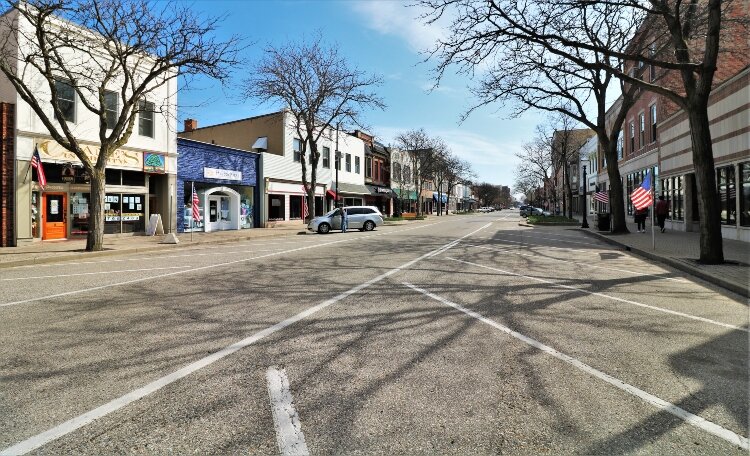
Photographer Mike Lozon captures the transformation of the Holland landscape during the pandemic. This spring, the downtown feels like a ghost town with Tulip Time canceled and most businesses temporarily shuttered to prevent the spread of the novel coronavirus.
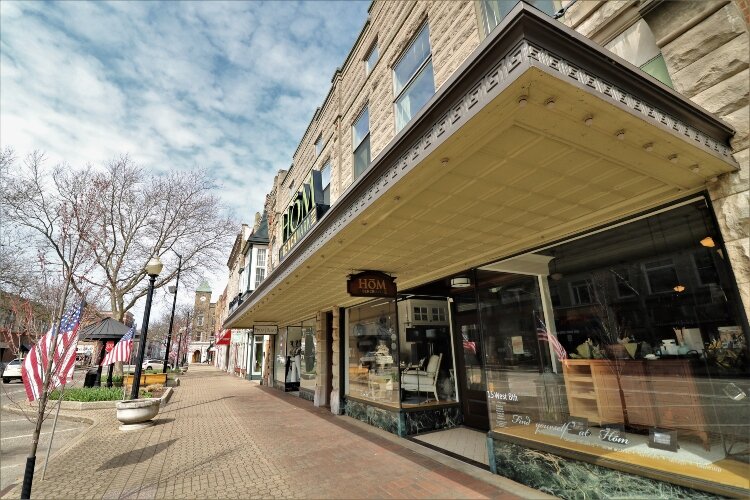
Right on schedule, the earliest tulips reveal their buds in the warmth of a sunny Saturday along 8th Street in downtown Holland.
But few visitors are there to admire this community’s most distinct sign of spring on a day when the central business district typically would be bustling.
Downtown remains deserted in compliance with an executive order from Gov. Gretchen Whitmer to “Stay Home, Stay Safe” as a way to combat the COVID-19 outbreak.
Glaring consequences
And the consequences of that order are glaring, from one end of downtown to the other.
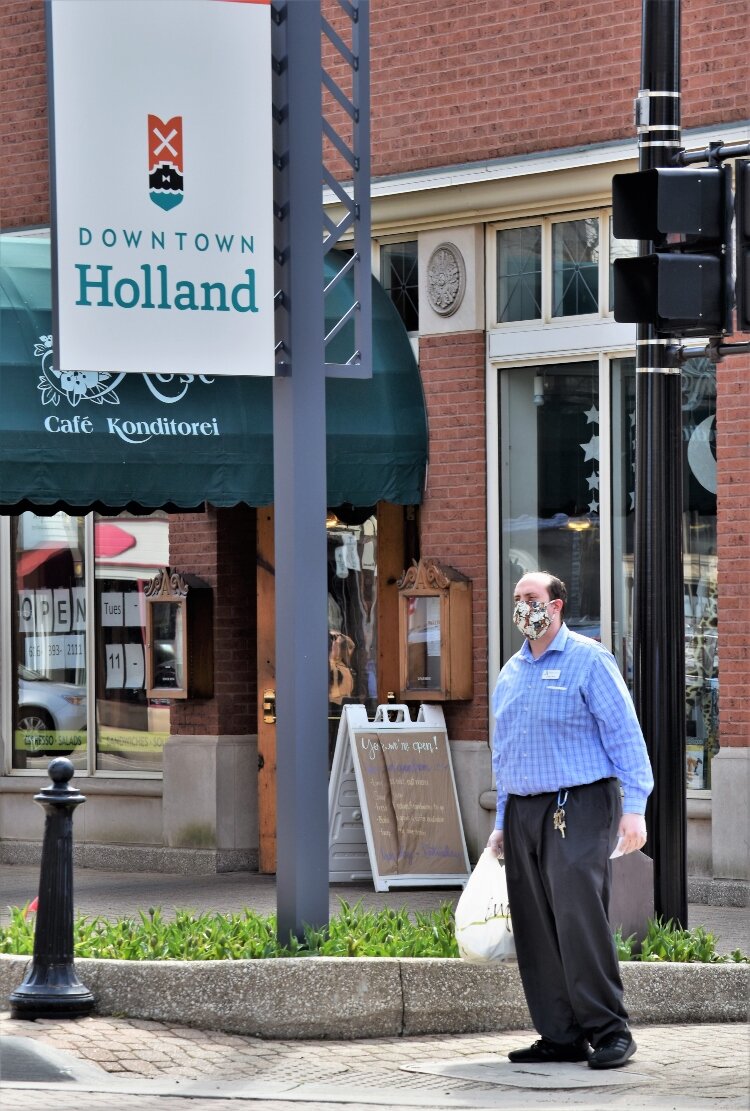
Signs taped to windows and doors of darkened shops and restaurants declare their closing. Line after line of parking spaces stay empty. A handful of walkers, some in protective masks, practice safe social distancing from each other.
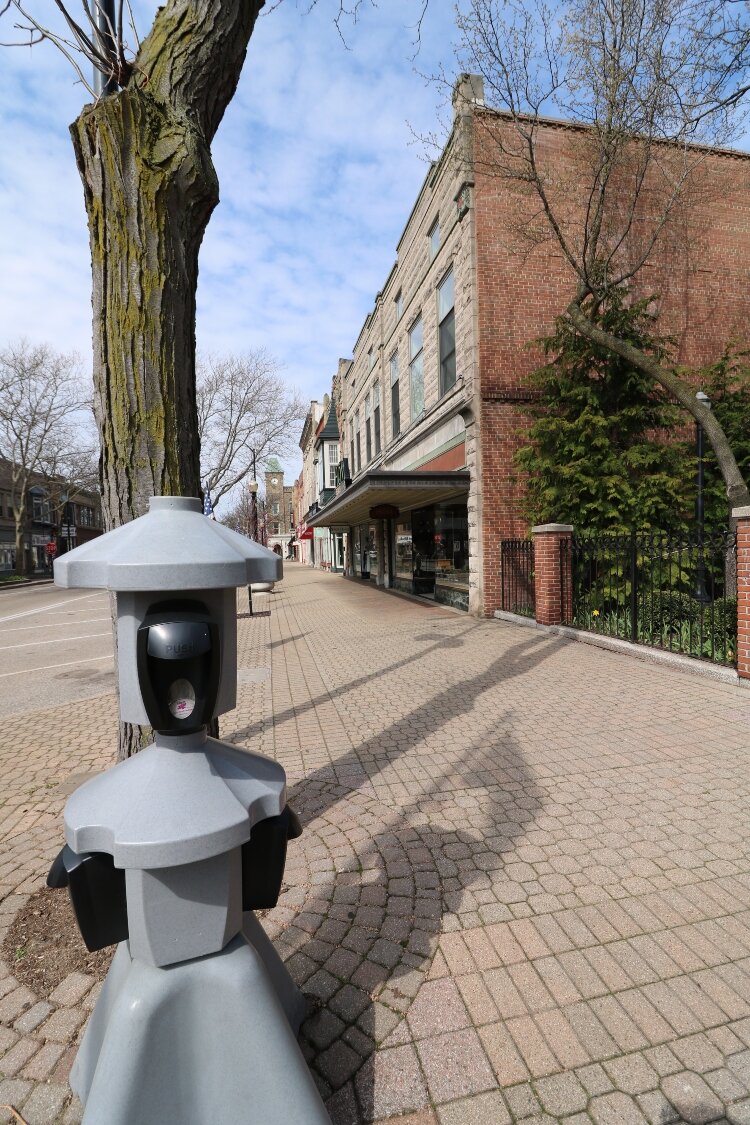
Hand-sanitizing stations, downtown’s newest addition, stand guard against the invisible coronavirus.
Flags fluttering
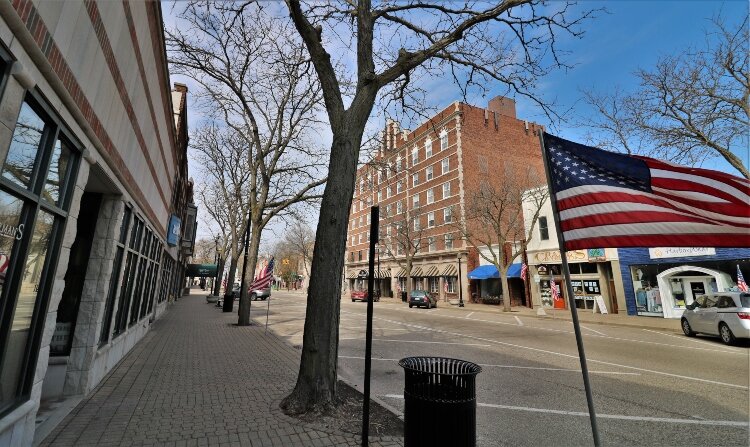
On each block, American flags flutter in the breeze, thanks to members of Marine Corps League Shoreline Detachment 1027, who placed them there to inspire unity among residents during the outbreak.
An eerie quiet envelops downtown, which normally would be pulsing with a one-way stream of slow-moving traffic and the chatter of visitors jamming the sidewalks.
Downtown’s desolation becomes even more apparent with a clear view two blocks west down 8th Street’s steep incline from the landmark Tower Clock building on River Avenue to Civic Center Place, surrounded by vacant parking lots.
Newest development
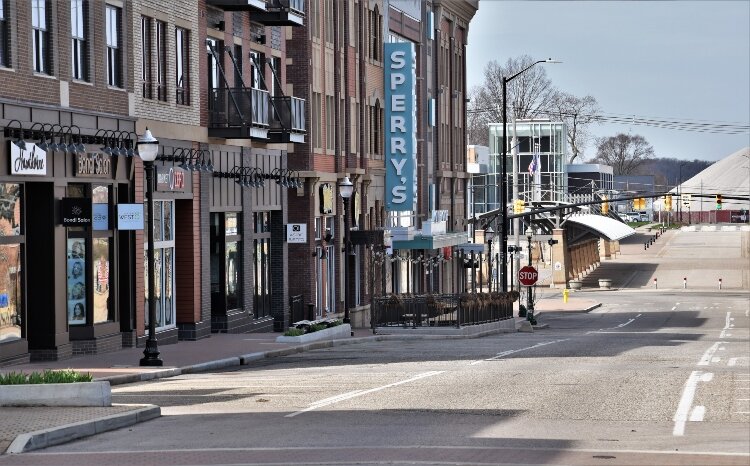
Inactivity along the first block of that slope is particularly bleak because the area represents the newest development to open downtown.
Among the newcomers are the Tulip Time office, HopCat restaurant, and Sperry’s Moviehouse, which are experiencing the same fate as other downtown tenants.
The large orange sidewalk sign directing visitors to the Tulip Time office has disappeared, along with any chance that the annual flower festival in early May will occur.
HopCat, like most downtown restaurants, offers only online orders for pick-up or delivery. The screen is silent at Sperry’s, the first commercial movie theater to operate in the central business district in more than three decades.
Beyond businesses
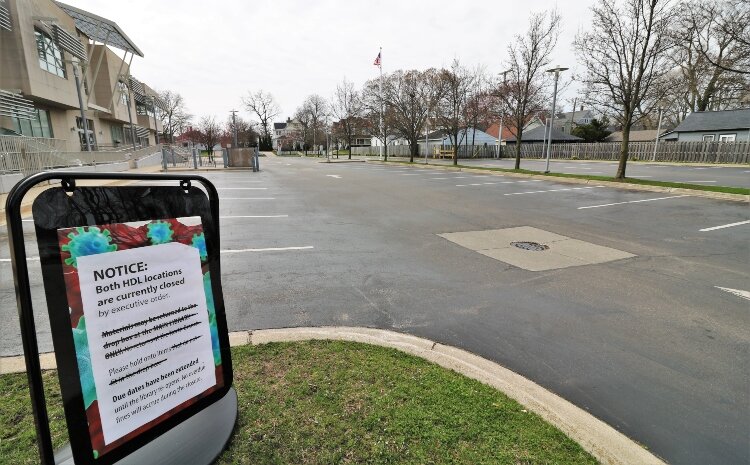
The dismal effects of the viral pandemic extend beyond the downtown area to the community’s recreational areas and public buildings.
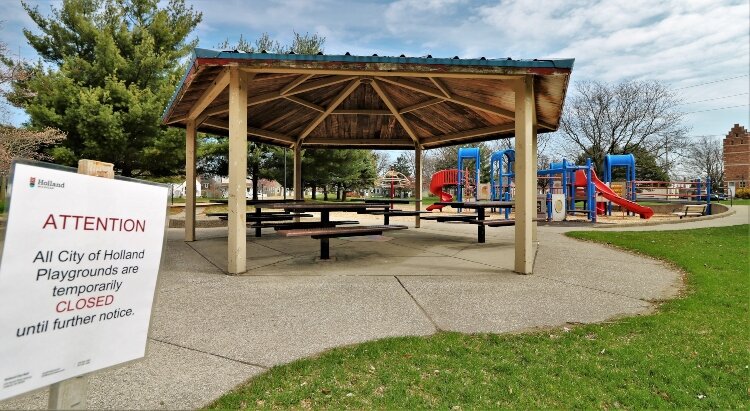
Tennis courts, pickleball courts, and basketball courts — where the hoops have been removed from backboards — are designated off-limits. The sound of children entertaining themselves is absent from city playgrounds, which are “temporarily closed until further notice.”
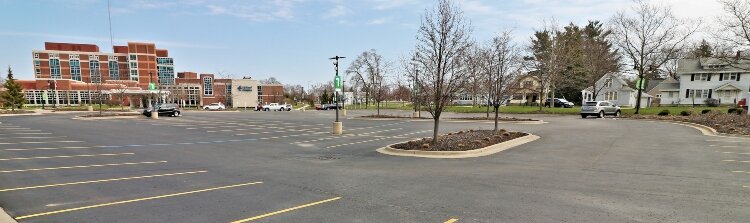
The expansive visitor parking lots at Holland Hospital and Herrick District Library are unusually bare.
Signs of activity
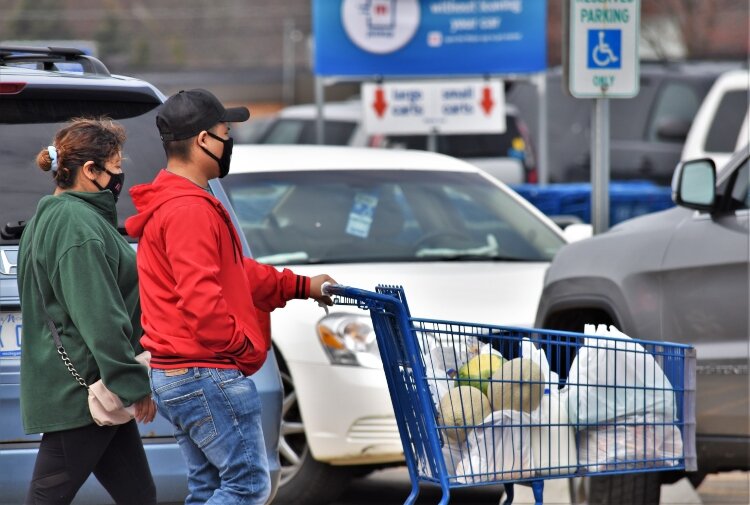
But even in these isolated times, there are signs of activity radiating from some local businesses that are exempt from the executive order, such as the Meijer outlet on East 16th Street.
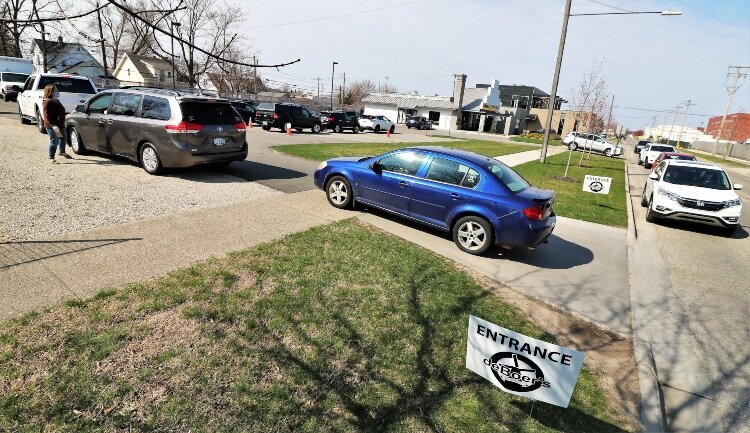
At some of those exempt businesses, there is not only activity but a ray of hope — none more so than deBoer Bakkerij and Dutch Brothers Restaurant, which has locations on the city’s southside and northside.
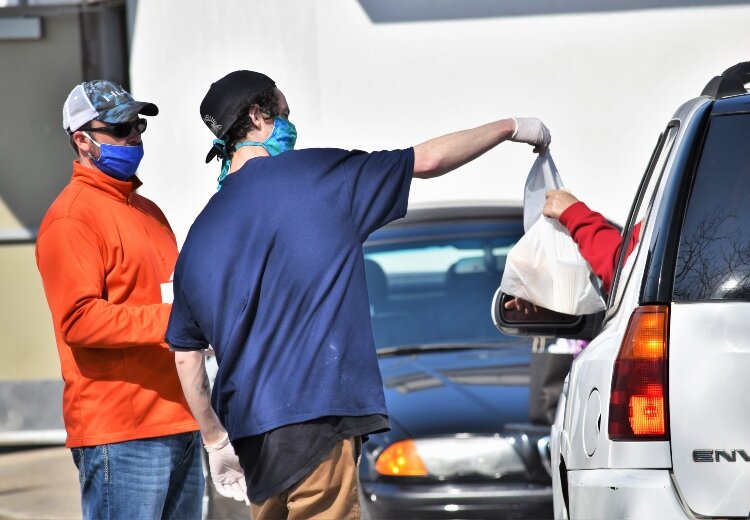
During the pandemic, the business’ southside site is providing curbside service to hundreds of customers who phone ahead or order online for pick-up from their vehicles on Saturdays.
Some deBoer employees direct the lines of traffic coming off 16th Street while others, donning masks and dressed in T-shirts that say “Thank you, Holland,” race around the parking lot delivering pre-paid orders to smiling customers.
Even though this year’s Tulip Time Festival has been canceled, the tulips are blooming throughout Holland. And residents — shoppers and shop owners alike — are looking forward to the return of the hustle and bustle of downtown.
This article is part of The Lakeshore, a new featured section of Rapid Growth focused on West Michigan’s Lakeshore region. Over the coming months, Rapid Growth will be expanding to cover the complex challenges in this community by focusing on the organizations, projects, programs, and individuals working to improve conditions and solve problems for their region. As the coverage continues, look for The Lakeshore publication, coming in 2020.
Related Articles
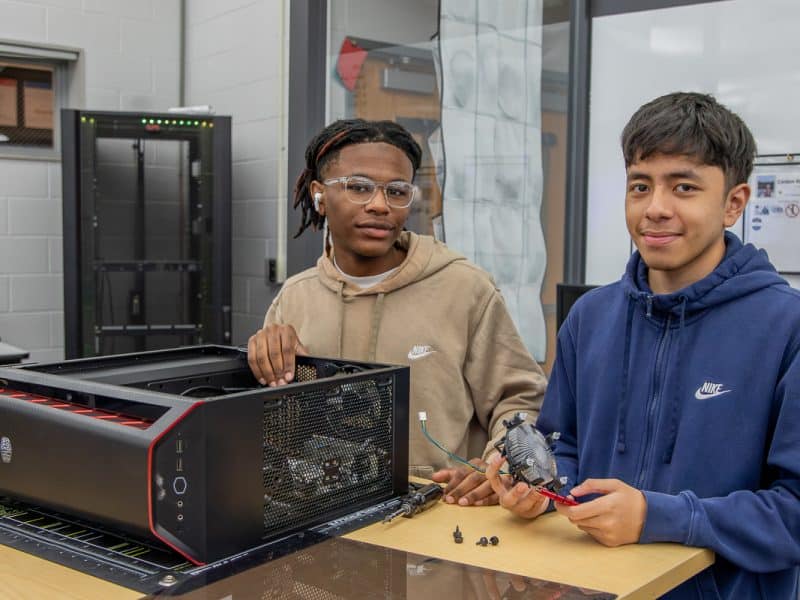
Kent ISD’s planned CTE Center in Caledonia highlights the exciting surge of career-connected learning sweeping across the state
Kent ISD’s second CTE center in Caledonia is more than a new building—it’s a bet on opportunity, supported by an already impressive 96.7% graduation rate for Kent County’s CTE students and a countywide goal to welcome 10,000 students annually to the power of CTE by 2030.
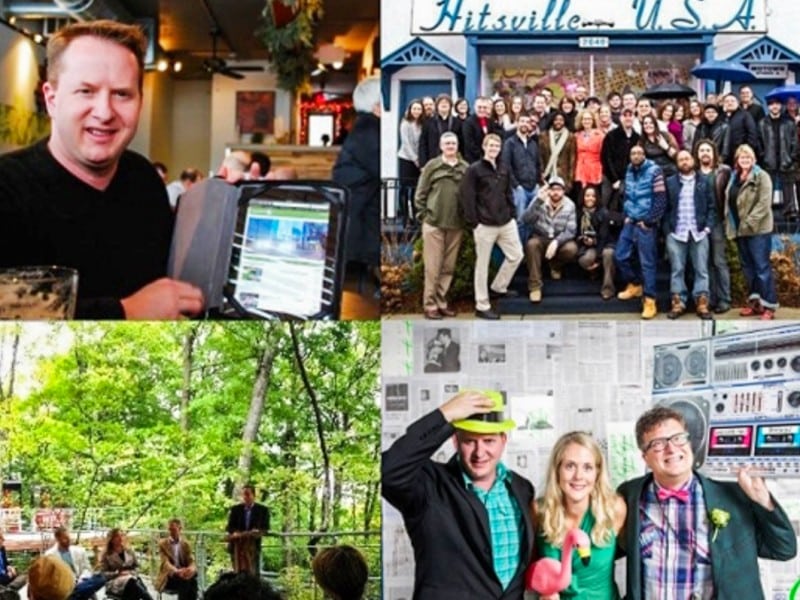
#RG20LookBack: Jeff Hill and the power of showing up for each other.
For his seventh #RG20LookBack, Tommy Allen reflects on the lasting impact of his predecessor, Jeff Hill, who served as Rapid Growth publisher from 2008 to 2015.
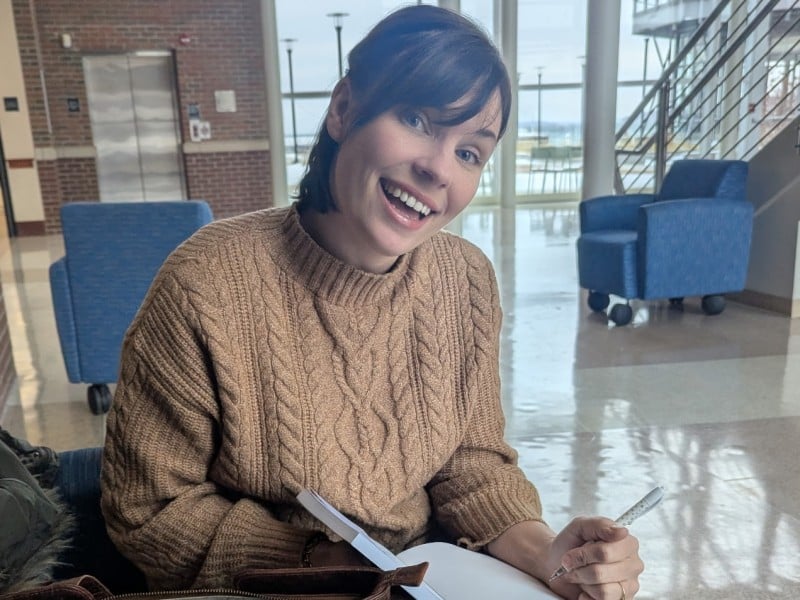
Using social media to match those in need with someone who can help
Abby McKiernan turns personal struggle into community action, creating platforms that connect neighbors, remove stigma and make asking for help easier.