Visualising change: A photo essay on Dégagé Ministries’ groundbreaking Complex Care Housing program
Rapid Growth Publisher Tommy Allen stepped inside Dégagé Ministries' new Complex Care Housing building, the first in the state to address chronic homelessness among women with complex needs who struggle to maintain permanent housing.One of its newest residents was his guide.
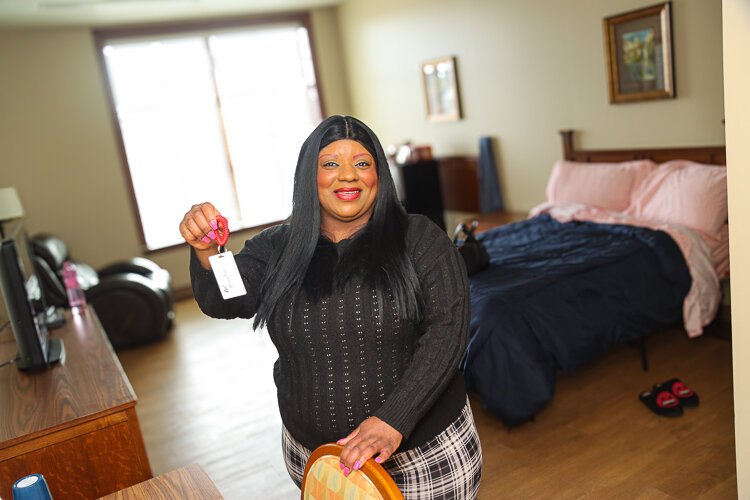
On a cold winter morning on Jan. 11, area caregivers, politicians, and media gathered within the Heartside neighborhood for a ribbon-cutting ceremony introducing Dégagé Ministries’ new Complex Care Housing program at 129 Jefferson Ave.
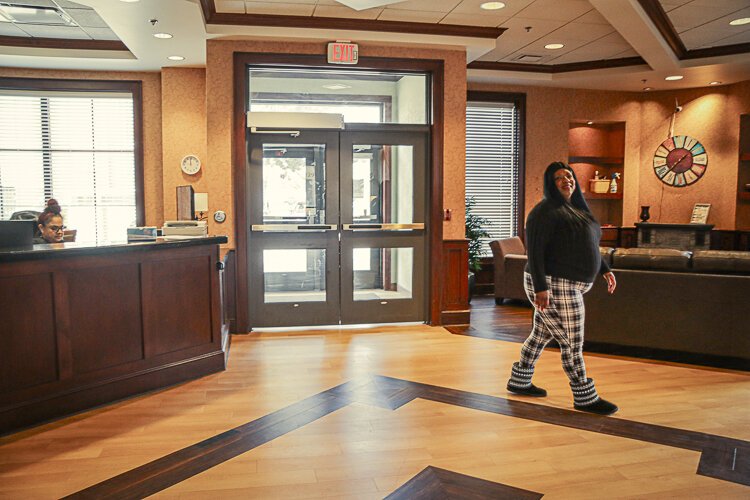
This innovative program located on the site of the former Hope Lodge facility, which includes a stunning array of wrap-around services built within, aims to address chronic homelessness among women and is believed to be the first of its kind in Michigan to serve people with complex needs who struggle to maintain permanent housing.
Dégagé Ministries acquired a lease for the former American Cancer Society’s Hope Lodge from its current facility owner, Trinity Health Grand Rapids.
A few days after the ceremony, Dégagé Ministries began the process of moving in its first round of tenants, with the goal of empowering them over time toward eventual integration into permanent housing solutions.
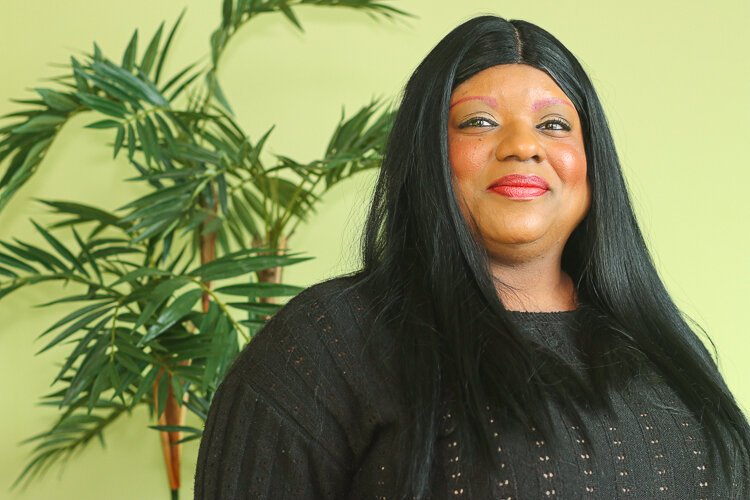
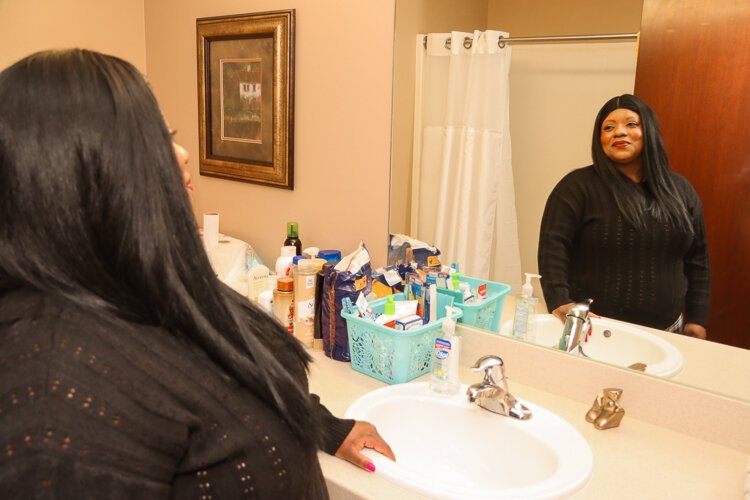
Publisher and photographer Tommy Allen visited one of their newest tenants, Bri, a few weeks later and toured the innovative project. Rapid Growth has agreed not to use Bri’s last name to protect her identity.
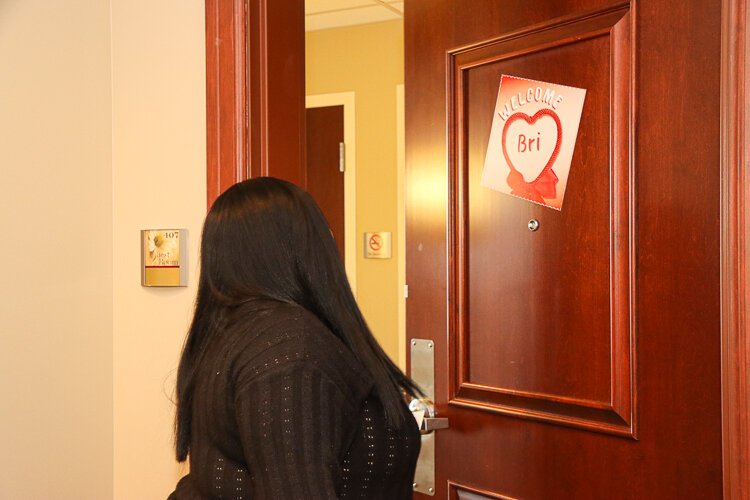
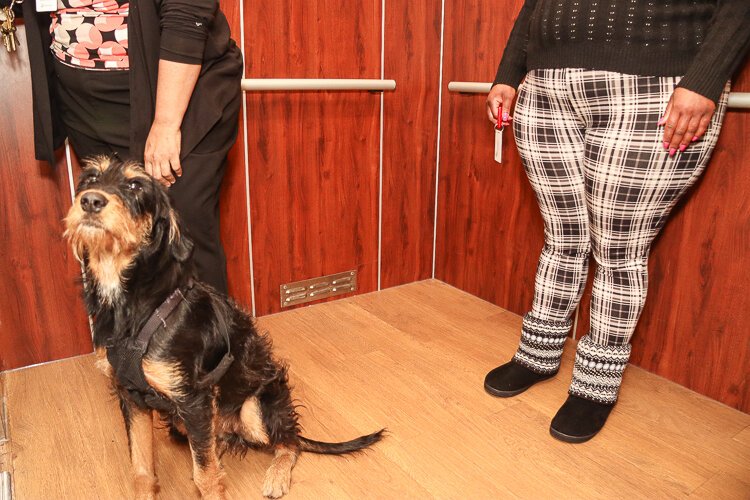
“We know this program only touches a small population of those currently identified as being unhoused in greater Grand Rapids, but we hope to demonstrate a solid ROI (return on investment) for funders and realize success in providing innovative, targeted programming that meets people where they are and empowers them to make confident, successful steps into permanent housing,” says Thelma Ensink, executive director of Dégagé Ministries.
Through the Complex Care Housing program, Dégagé Ministries is offering hope and stability to marginalized women while catalyzing systemic change toward a more compassionate and efficient response to homelessness.
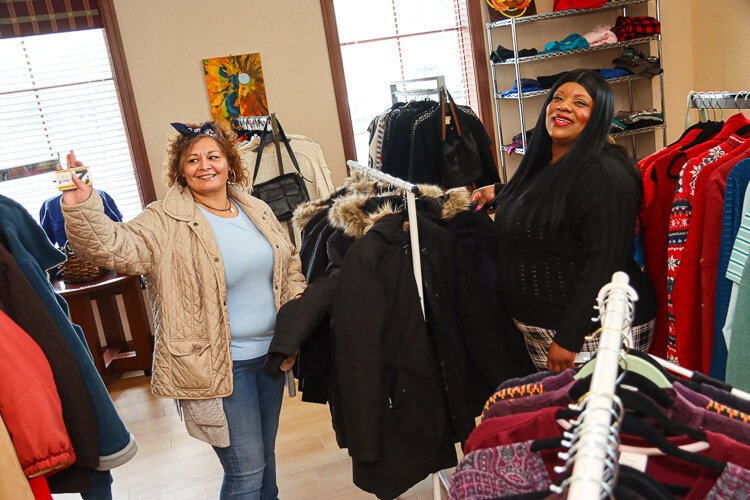

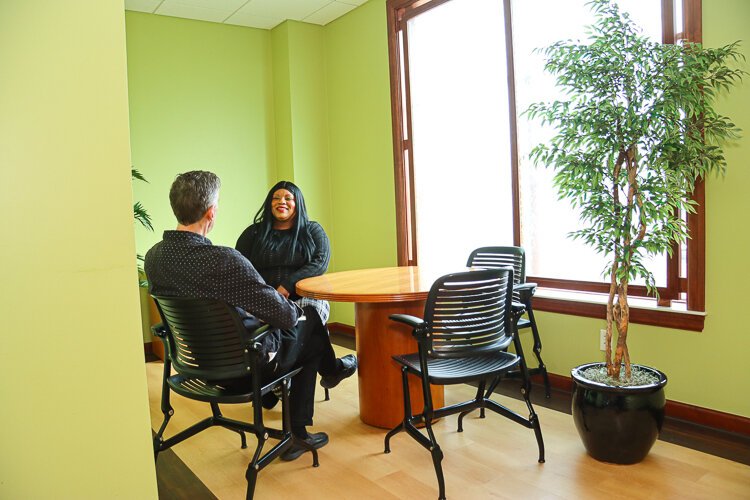
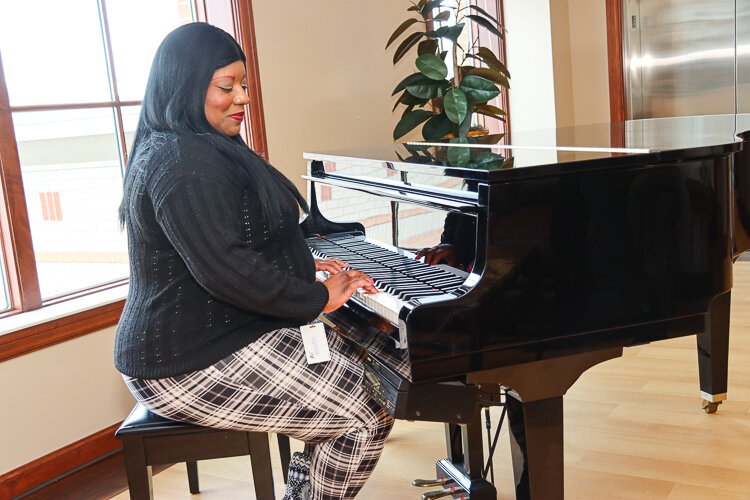
After spending two hours with Bri, I couldn’t help feeling that this is just the kind of collaborative project other communities could aspire to copy or adapt in their own ways as others struggle to meet the needs of unhoused populations.

Related Articles
Two British influencers explore what makes Michigan “special”
Sometimes it takes outsiders to remind us how extraordinary our everyday really is. Thanks, Josh & Jase.
#RG20LookBack: La Lucha Fund supports undocumented and mixed-status families
Celebrating 20 years, we revisit a 2020 story where La Lucha Fund and partners created direct cash relief for undocumented Kent County families excluded from CARES Act aid.
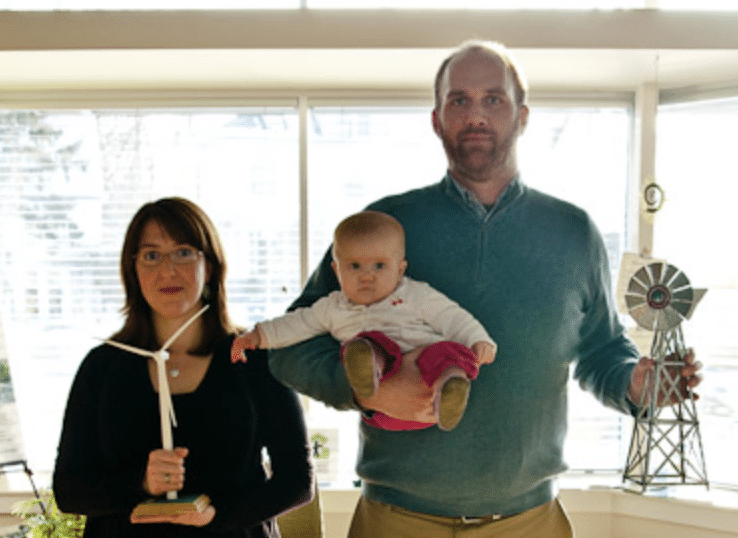
#RG20LookBack ‘A Family Loving Environment’
As Rapid Growth marks its 20th anniversary, we’re revisiting archival stories that captured cultural shifts in our community. The 2010 snapshot of Rachel Hood and Dave Petroelje, brand-new parents making climate, clean energy, and public health relatable to families, still resonates today.