
#RG20LookBack: The Grand River is having the moment we imagined—together
In his 12th #RG20LookBack column, Rapid Growth publisher Tommy Allen revisits the 2008 story, “A River Runs Through Green Grand Rapids,” which now reads like an early spark for everything unfolding along the Grand River today.
In 2008, Rapid Growth ran the story “A river runs through Green Grand Rapids” by our then Development Editor Deborah Johnson Wood, which, looking back, reads like an early spark for everything we’re watching unfold along the Grand River right now.
Even then, the river was being named one of our most underutilized natural assets—and the room was buzzing with members of Green Grand Rapids, to citizens engaged in this two-year project: restore the rapids, open up the riverbanks, build real connections for people on foot and on bikes.
We’re resharing this story as a touchstone—a reminder that real change takes time. When Green Grand Rapids work began nearly 20 years ago, “community engagement” wasn’t yet a phrase people threw around as we do today. It was just the harder, slower work of inviting people in, listening to what they said, and figuring out together what to do next. A river district doesn’t just appear. It flows from that.
That’s what made Green Grand Rapids matter—and why it still does. This wasn’t outside expertise parachuting in with a polished plan. It was the community deciding to listen to itself.
Public forums, practical steps, and real attention to the small things that make it easier for more people to show up and have a say. Big transformations tend to get credited to big money, but the foundation here was built by our residents, business owners, and public servants who came back, meeting after meeting, through 2008 and 2009—people who wanted recommendations that could actually move a city, not just fill a binder and place on the shelf as was the case back then.
From there, you can see the transition from vision to capacity. Emerging from 2009 and following the report from Green Grand Rapids, Friends of Grand Rapids Parks was established as a citizen-led nonprofit organization focused on coordinating volunteers, expanding a funding base, and turning a community plan into practical paths you can walk or bike on. The word “connections” quickly stopped being a vague and simple term as discussions about trails, greenways, and bike networks began to be regarded as essential quality-of-life infrastructure. It was a pivotal moment in the city’s history that helped elevate the entire region, fostering genuine community growth rather than merely providing places to jog on weekends.
Now, with significant funding driving new work along the river, it feels right to pause and recognize the thousands of people who participated, starting in 2008 when it was simpler, quieter, and nobody was writing big checks or holding press conferences. We’re sharing this story from 2008 as a thank-you—and as a reminder that community engagement isn’t just for show, but essential work if you want to get it right. It can be the entire driving force. What seems like overnight change is usually just years of neighbors stubbornly believing and showing up to prove that something better is possible.
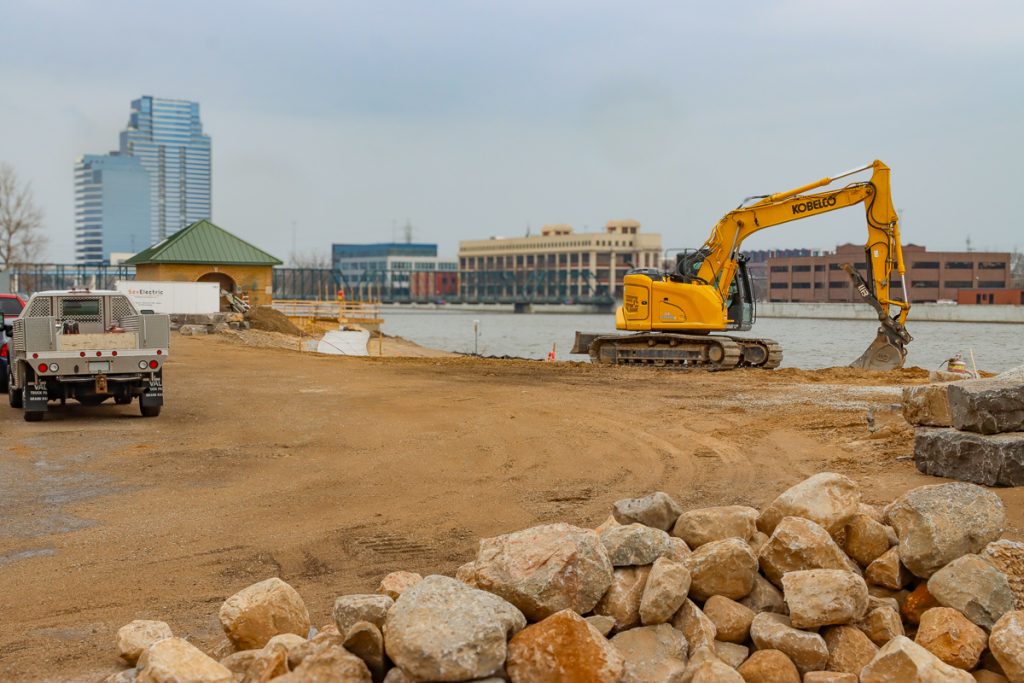
A river runs through Green Grand Rapids
The Grand River might be metro GR’s most underutilized natural asset. But the city is brimming with ideas to make its stretch of Michigan’s longest river more of a focal point for its redevelopment.
Now Mayor George Heartwell, the Green Grand Rapids steering committee, and other civic leaders want to hear those ideas and advance a more formal vision for the Grand River as part of an overall effort to green Grand Rapids.
On June 25, Green Gathering: Ideas, the first of three public forums, will include the results of the Green Pursuits game distributed in April, a welcome by Mayor Heartwell and breakout sessions on parks, connections, greening, health, natural systems or the Grand River.
Some ideas floated recently include restoring the rapids in the Grand River, designing and building a kayak course, expanding riverside park space, more bike trails, riverside dining establishments. These and other projects, a growing number of residents seem to agree, could simultaneously enhance a degraded waterway and improve the city’s ability to retain and attract young talent and new companies.
Suzanne Schulz, planning department director, hopes the upcoming meeting will attract some 300 attendees. Participants will prioritize their session’s topics and draft a vision statement incorporating the ideas.
The June 25 meeting is at DeVos Place, 303 Monroe Avenue NW, from 6:30 to 8:30 p.m.
To encourage participation: free carpool parking for cars with two or more passengers is available in the City Hall ramp across the street from DeVos Place; Free single-occupancy vehicle parking is available on Monroe NW, one block north of U.S. 131; The Rapid will distribute free bus passes to the first 100 participants; and bike racks will be available in front of DeVos Place.
Photo by Tommy Allen
Related Articles
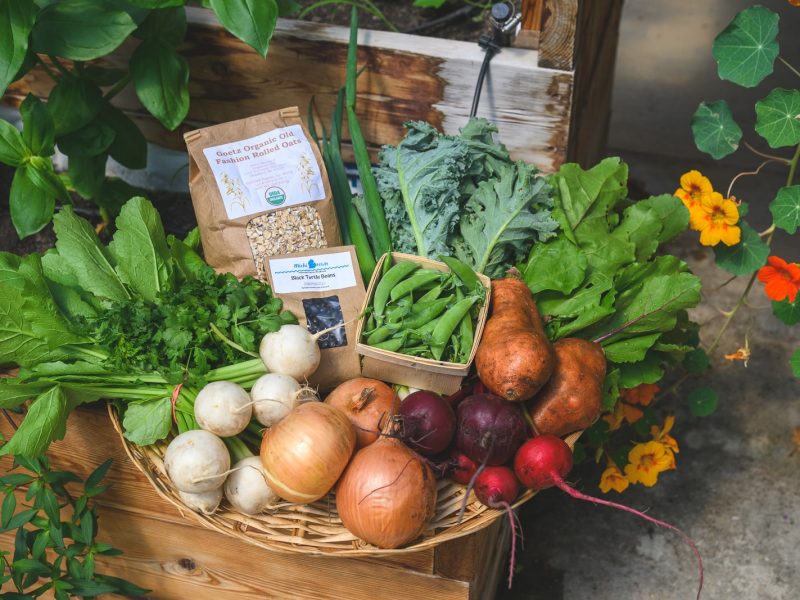
Trinity Health and Michigan community groups will make fresh, local food a Medicaid benefit
A new Trinity Health initiative will allow people in the Ann Arbor, Detroit, and Grand Rapids areas to access fresh, affordable produce from local organizations through their Medicaid health plans.
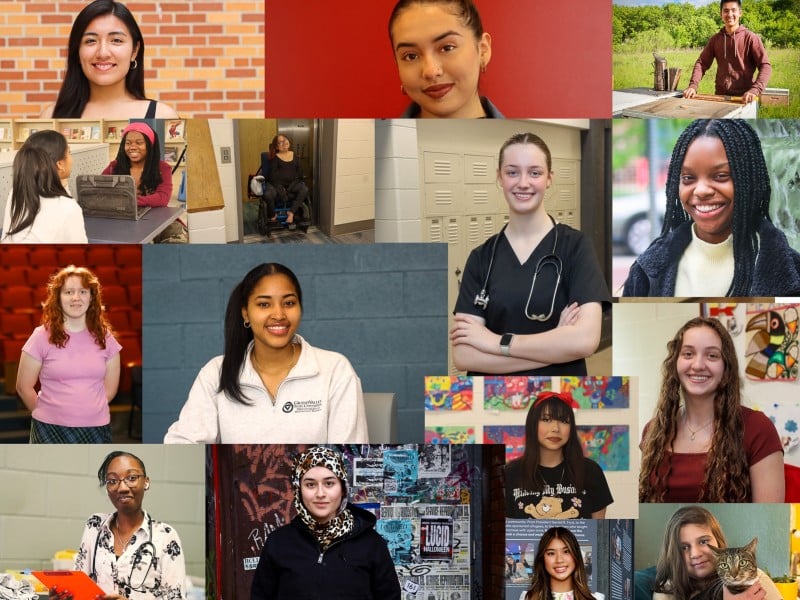
Voices of Youth: Lessons learned from listening to young people
Over the past three years, Voices of Youth has shown us that by actively listening to what young people want, we often develop better ideas. Here, Publisher Tommy Allen reflects on the achievements and lessons learned over three years with Voices of Youth.
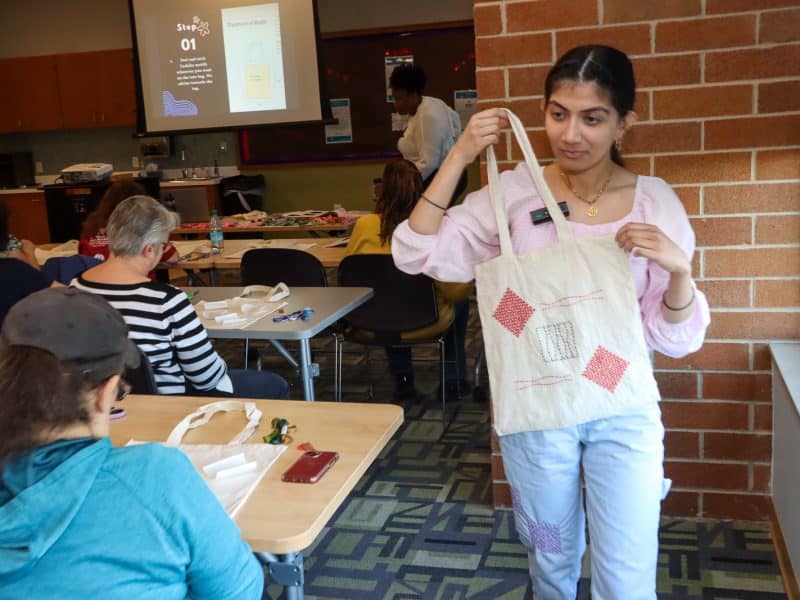
Library classes help residents learn skills, build community connections
At Kent District Library, in-person classes help residents learn practical skills while meeting neighbors and building connections in their community.


