
How occupational therapists help seniors age safely in their homes
A team of occupational therapists from Disability Advocates of Kent County is helping older adults stay independent through home modifications, safety assessments and accessibility improvements that reduce injuries and falls.
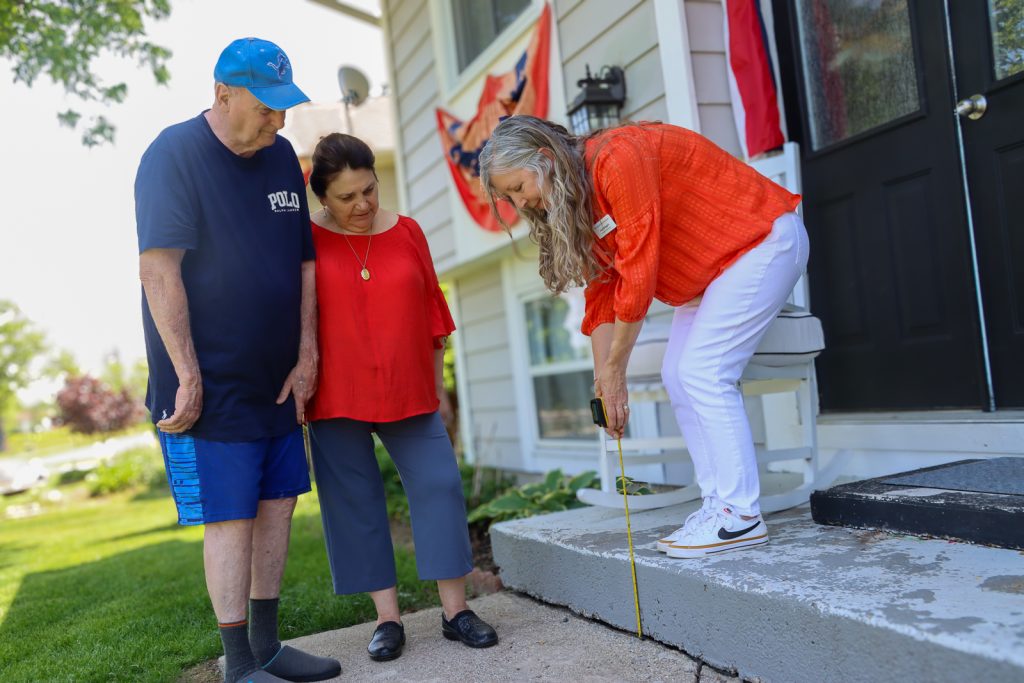
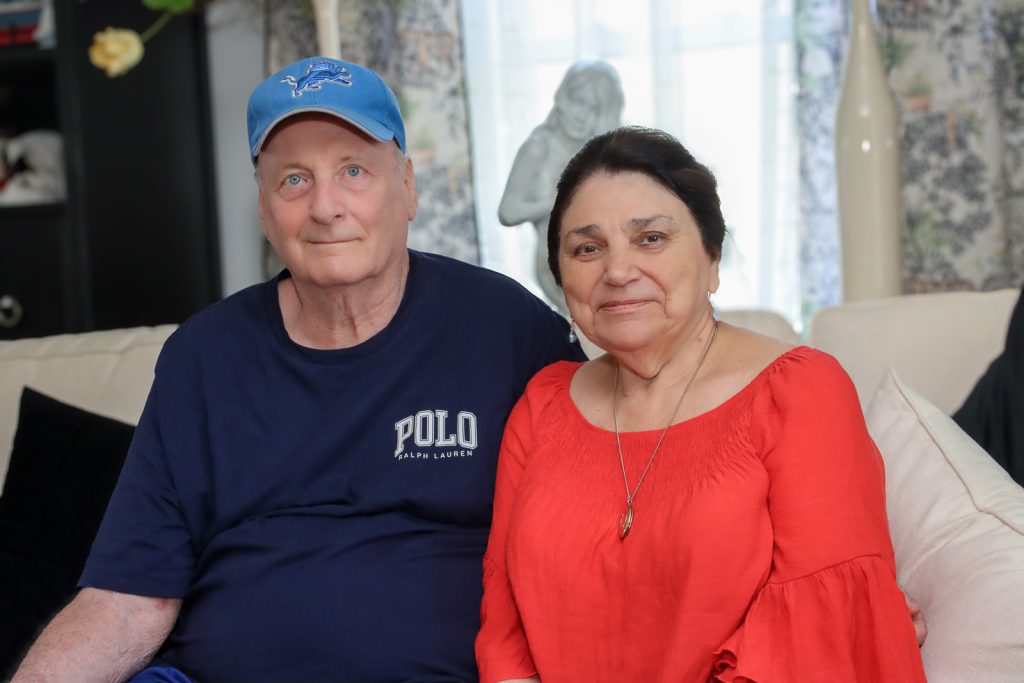
Brijida White and her husband, Dennis White, have lived in the same bi-level home in Kent County for more than 50 years. It is where they raised their family and spent much of their lives together. But as they got older and dealt with surgeries, health problems and trouble getting around, the home they loved became harder to move through safely.
“We need our house to age in place with us,” Brijida White says.
Dennis White, a Vietnam veteran, is nearly 80 years old. He has had two knee surgeries. He also has skin cancer and back problems. Brijida White has had three knee surgeries. She also had neck surgery that required doctors to replace four discs.
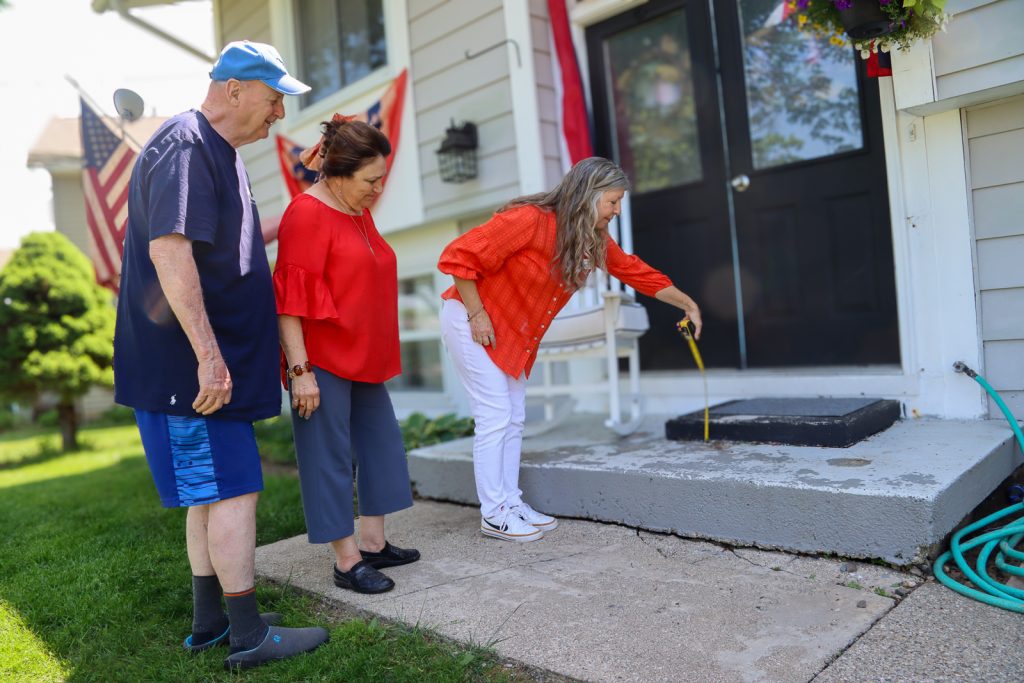
Daily tasks inside their home have become harder. The bathtub and shower felt unsafe because the couple had difficulty stepping over a high edge. An uneven step near the front entrance caused people to trip. Stairs inside the home raised more worries about the future.
Still, the couple did not want to move. They also knew they could not easily afford a new home.
“Everything’s so expensive,” White says. “We’re staying right there till our last days, I guess.”
That’s where Judi Siegert steps in.
Siegert is an occupational therapist and certified aging-in-place specialist with Disability Advocates of Kent County (DAKC).
As the manager of DAKC’s home accessibility services, she works with older adults, veterans, and people with disabilities to identify safety barriers inside their homes and connect them with modifications, adaptive equipment, and funding resources that can help them continue living independently.
“I love being able to see people be safer and more independent in their space,” Siegert says.
Role of occupational therapists
Like the Whites, many older adults want to stay in their homes as they age, but health problems and trouble getting around make everyday life harder. Occupational therapists and aging-in-place specialists help make their homes safer by recommending changes that can help prevent falls and allow people to stay independent longer.
The work often begins with a phone call from someone struggling with mobility or daily tasks.
“People will call us and say, ‘Hey, I need a ramp,’ or ‘I need to change my tub shower combination into a low-threshold shower,’” Siegert says.
From there, Siegert and her team assess the home environment and recommend modifications tailored to the person’s needs. Sometimes the fixes are relatively simple: grab bars, raised toilet seats, shower chairs, or improved lighting to reduce fall risks. Other times, the work involves larger projects such as widened doorways, ramps, porch improvement, or bathroom renovations.
“Sometimes it’s so easy to just make some simple fixes, and people are just thrilled, saying, ‘I wish I would have done that years ago,’” Siegert says. “‘That’s so much safer. I can do my own care.’”
The process with the Whites began last year with a home assessment by DAKC, funded by Kent County Veteran Services. Home Repair Services then pays for the modifications. Funding limitations initially delayed the bathroom project, but Brijida White says Siegert stayed engaged and responsive throughout the process.
“I went back and touched base with her this spring,” she says, “ and she helped us right away. The next week, we were getting a shower.”
The new walk-in shower is safer to use, lowering the Whites’ risk of falling and making one of their hardest daily tasks much easier.
Siegert also helped the couple obtain grab bars and shower seating
“It’s a lot easier to get in and out,” White says. “We really enjoy it.”
Outside the home, concern centered on the front entrance. The threshold near the double doors was high enough that visitors and family members frequently stumbled. Siegert coordinated with Home Repair Services to install a cement slab that created a smoother, safer transition.
“It’s easier to get in and out of the home,” White says.
Designing for safety
Additional projects may still be ahead. Siegert is helping the couple explore railings and other safety options related to their stairs.
“She’s concerned about our steps going up and steps going down,” White says. “But right now we’re still OK on that.”
Siegert says the goal of aging-in-place work is not simply to make homes accessible after a crisis, but to create spaces where people can continue living safely as their abilities change.
She encourages homeowners and builders to think about universal design and zero-step construction, which make homes usable by people of all ages and physical abilities.
Entrances without steps, wider hallways and doorways, walk-in showers, and brighter lighting can make daily life safer and easier. Such changes also help people using walkers or wheelchairs move more comfortably through the house. Siegert says features like those often become important after surgery, illness or injuries later in life.
Those ideas also played a role in Siegert’s own decision when buying a home. She and her husband are preparing to move from an 1840 farmhouse with steep stairs into a home that has already been modified for wheelchair accessibility.
“I would rather be prepared for something,” Siegert says. “If something like that were to happen, either one of us could come home from the hospital and get in and out of our home and be able to live there while we recover.”
Successful relationships
Siegert has worked in occupational therapy since 1988. She originally enrolled at Western Michigan University as a psychology major before discovering occupational therapy while reviewing the university course catalog on the drive to orientation.
“I changed my major that day, and I stuck with it,” Siegert says.
Over the decades, she worked in a variety of clinical settings before transitioning into home- and community-based care.
“I have loved my work in home and community-based services the most,” Siegert says.
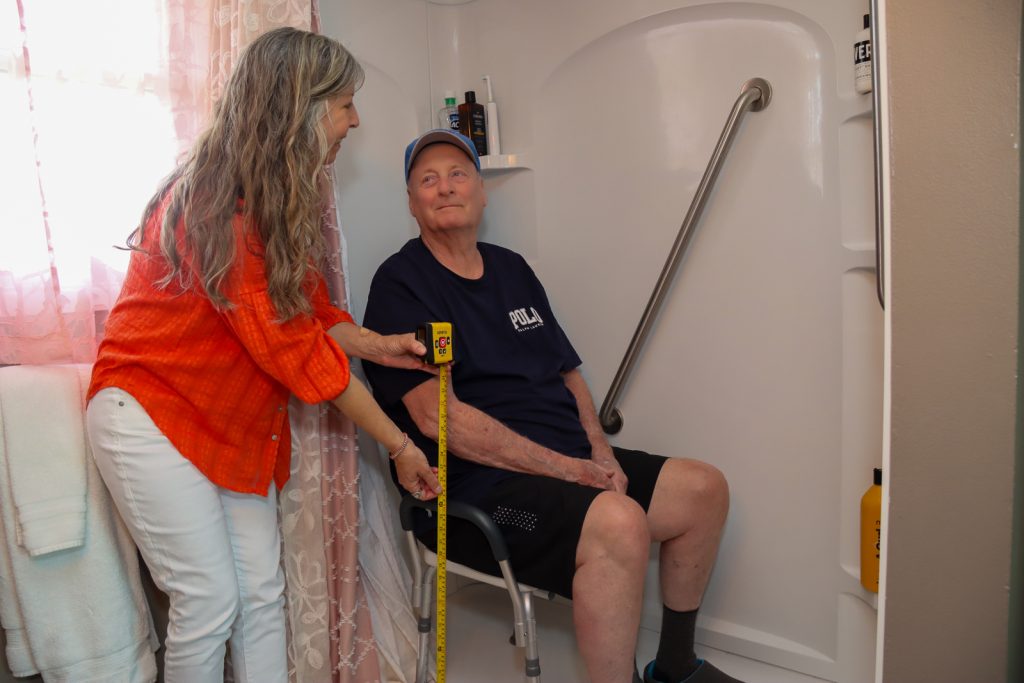
Part of what makes the work effective, Brijida White says, is the relationship built through repeated home visits and regular communication.
“They come up to your house, which is really nice,” White says. “She keeps in contact and checks on us and sees what we need.”
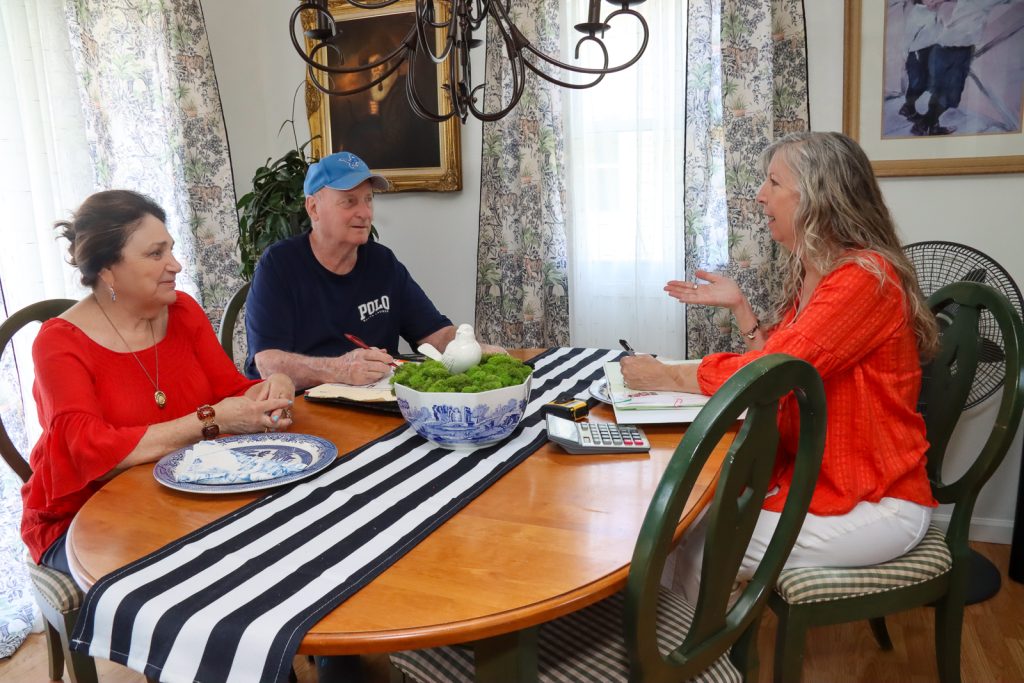
The process usually starts with a visit to the person’s home. Siegert looks for safety problems and takes photos of areas that may need changes. She also talks with clients about their finances and possible funding programs that could help pay for the work. Help can come from veterans programs, nonprofit grants, local agencies, or groups like Home Repair Services and the Area Agency on Aging of Western Michigan.
Siegert says many people are surprised to learn that programs like these are available.
“The bigger hospital systems and what have you have that advertising money,” Siegert says. “And as a nonprofit, we don’t spend our grant funding on those types of advertising campaigns. So most of everything is pretty much word of mouth.”
As a result, many older adults struggle unnecessarily before realizing help may be available.
White says she learned about Disability Advocates through her sister, who also has disabilities. Since then, the organization has helped the couple through years of surgeries, mobility changes, and aging-related challenges.
White has advice for the growing number of people across Michigan seeking safe, affordable ways to stay in their homes as they age.
“Don’t be afraid to reach out and get help,” White says. “If you don’t reach out yourself, then you’re not going to get any of the help that’s out there.”
Photos by TommyAllen
The multi-regional Disability Inclusion series is made possible through a partnership with Centers for Independent Living organizations across West Michigan.
Author

Related Articles
Gentex veterans group expands support for Michigan Veteran Homes residents
Gentex employees raise funds, volunteer, and add dementia technology supporting veterans living at Michigan Veteran Homes in Grand Rapids.

Grand Rapids physical therapist builds a global women’s health community online
Dr. Caroline Packard grew a 425,000-follower online community focused on pelvic floor health, strength and postpartum recovery for women.
When everyone is welcome: How Michigan’s CCBHCs are changing care
CCBHCs have been improving access to quality mental health care for Michigan residents since 2021.


