The Power of Change
The pursuit of sustainability requires ending subsidies for business-as-usual and instead rewarding innovation.
Located on the flatlands of the lower West Side, the Stockbridge district is located immediately west of the Grand River and Center City. The area is known for its working-class attitude, rich European traditions and, above all, resilience. The construction of the US 131 highway and Interstate 196 in the 1960's destroyed hundreds of homes and businesses in the area. It also scarred the heart and soul of a community. But today the Stockbridge district is emerging as a much stronger and vibrant place than it was before the bulldozers. With a growing selection of pubs, restaurants, and locally-owned specialty shops, as well as aggressive investment in unique urban housing ventures, the Stockbridge area now stands on the leading edge of Grand Rapids' evolution into a thriving 21st century city.

The pursuit of sustainability requires ending subsidies for business-as-usual and instead rewarding innovation.
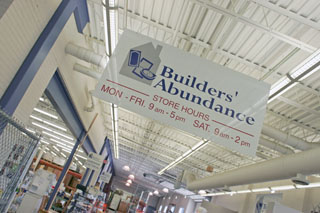
They're not World Market or Ikea, but the local thrift shops and salvage yards carry interesting items for the home decorator at a fraction of the cost.

Not only is the sustainability movement for real, Tom Leonard counts six ways it's becoming an inevitable revolution.

Brian and Kathleen Kelly are fortunate to have friends like best-selling author Mitch Albom and rock star Brian Vander Ark. They're leveraging those friendships to raise $100,000 for DeVos Children's Hospital.

College students tend to think there's a shortage of jobs in metro Grand Rapids and across Michigan. Turns out that's simply not true.

The West Side has survived devastating floods, invasive highway projects, and factory closings. So what could possible be next? How about a housing boom.

Corky Overmyer became the Grand Rapids' first 'Sustainability Manager' on July 1, 2006. His charge: reinvent the city.

Throughout its history, the City of Grand Rapids has stood at the forefront of transportation design and innovation. So what's next for Michigan's second largest metro area?

Tired of wood plank roads and muddy walks around town, Grand Rapids embraced horse-drawn street cars near the end of the 19th century. The move set the stage for a monumental transformation from primitive frontier town to modern American city.
Our Partners