
Resilience, community, family help Bosnian war refugees create a new life in West Michigan
As part of our Voices of Youth series, Amina Povlakic writes about the journey of her father, a Bosnian refugee, who rebuilt a life in West Michigan through resilience and family.
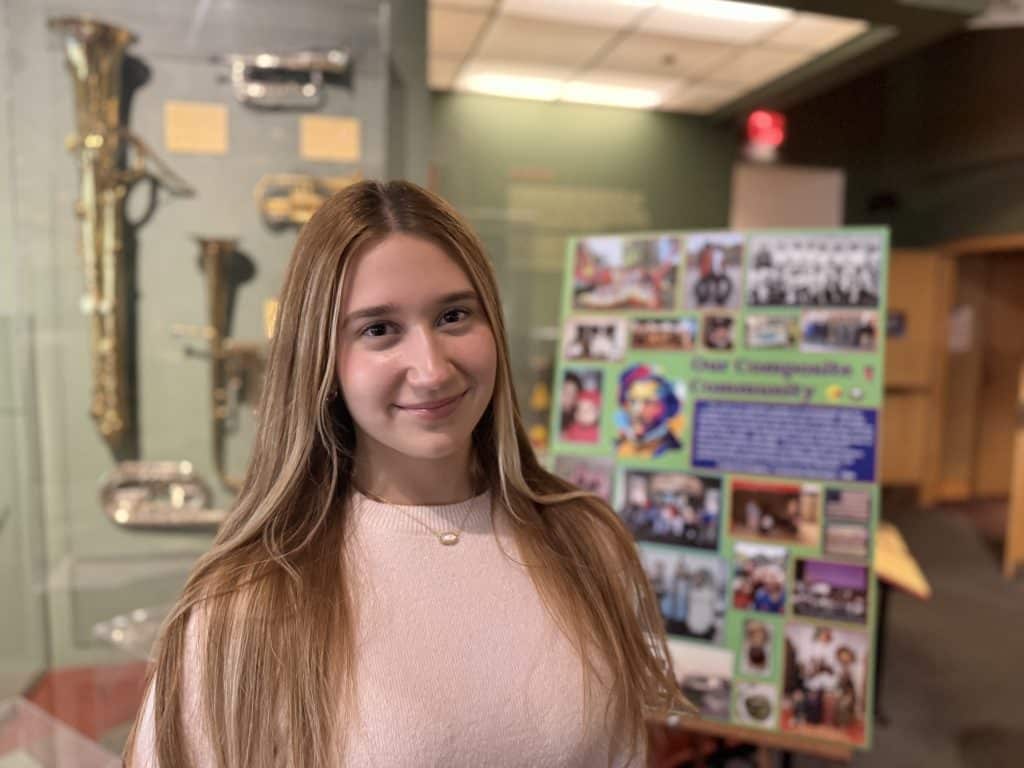
This Voice of Youth essay was originally presented on May 13 during the “Our Composite Community” presentation at the Grand Rapids Public Museum. Students from East Kentwood High School explored how Frederick Douglass’ vision of a “composite nation” has taken shape in West Michigan.
My dad’s story begins during the Bosnian War, which started in April 1992. Before the war, life was stable in Kula Grad, near the Serbian border. That stability quickly disappeared as violence and ethnic cleansing forced many families, including his, to flee when he was 13 years old.
His family became refugees in Tuzla, Bosnia, where they lived for eight years. At first, they stayed in a crowded college dorm with multiple family members in one room. Later, they moved into an empty home, but had to leave when the original owners returned. By the end of the war, almost everything was lost.
After returning to Kula Grad, they found that the home was destroyed and conditions were still unsafe. Jobs were scarce, and it was difficult to meet basic needs. Because of these struggles, my dad and his twin brother left for Switzerland to try to support their family.
In Switzerland, they applied for asylum but were not allowed to work. Life in a refugee center was uncertain and limiting. Eventually, they learned about an opportunity to move to the United States through a refugee program and were approved after an interview in Frankfurt, Germany.
My dad arrived in the United States when he was 22 years old on Sept. 6, 2001. The move came with both hope and uncertainty, leaving behind everything familiar to begin again.
West Michigan became their new home through the refugee program. They already had family members living in the area, which provided some connection and support. However, adjusting to a new country was still very difficult.
Overcoming obstacles
At first, there were many challenges. The language barrier made communication hard, and there were limited connections outside of family. Finding stable work and understanding a new culture took time.
Over time, life improved with the help of the West Michigan Bosnian community. The community supported new arrivals by providing translation, job opportunities, housing, and everyday needs. Bosnian-owned restaurants, small businesses, and gathering places created opportunities to connect with others and feel less alone.
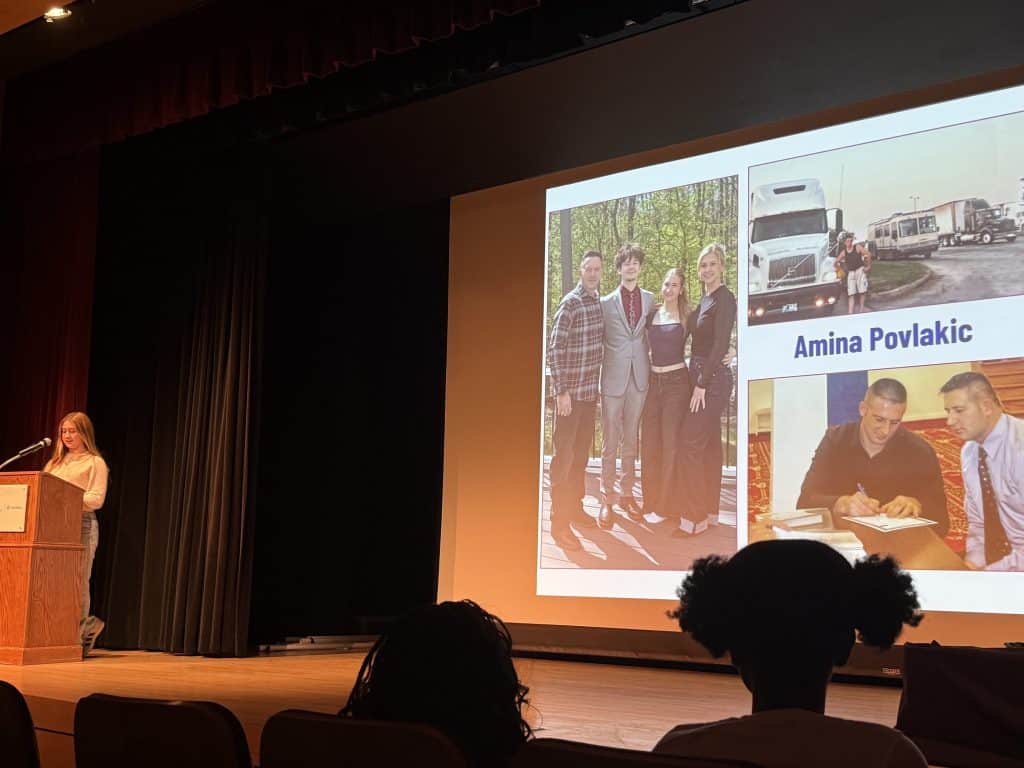
The Bosnian Islamic cultural center became an important space for prayer, cultural events, and support. Weekend soccer games, community celebrations, and shared traditions helped build friendships and a strong sense of belonging.
Through these connections, my dad was able to slowly rebuild a sense of normal life. Support from others who shared similar experiences made a big difference during the adjustment period.
His first job came through a friend in the Bosnian community. That connection helped him and his twin brother start working at a pallet company in Hudsonville. It was an important first step toward stability.
With time, my dad found a career in trucking through connections and hard work. Becoming a truck driver provided steady income and independence, allowing him to build a more secure life.
As life became more stable, my dad was able to build a family. The support of the Bosnian community, steady work, and a safe environment made it possible to create a home and raise children. Starting a family became one of the most meaningful parts of rebuilding life after everything that was lost.
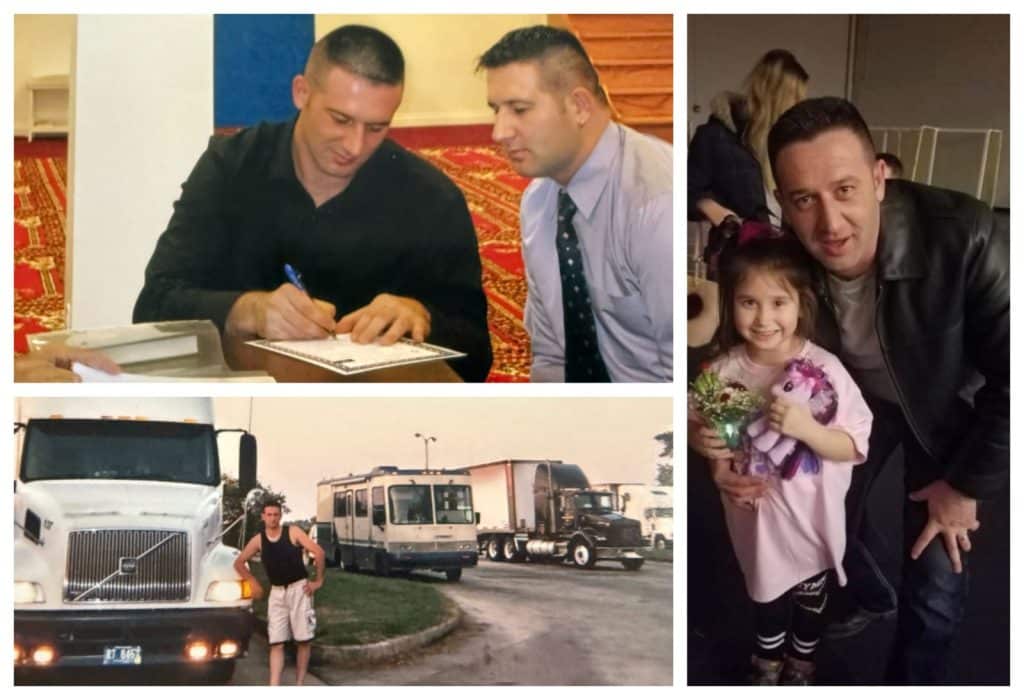
Even while adjusting to life in West Michigan, staying connected to culture remained important. Time spent at the mosque, with friends, and within the community helped maintain traditions and identity.
Over the years, hard work and determination led to stability. A home, a car, and a family became possible after starting over with very little. Life slowly became more secure.
I want to honor my dad’s story and resilience by finishing my education and going to college to pursue a career in healthcare to help others around the world. I want to take opportunities that he wasn’t able to have while growing up.
This journey reflects resilience and perseverance. From losing everything during the war to building a new life in West Michigan, each step required strength and determination.
Photos by Shandra Martinez and provided by Amina Povlak
Amina Povlak is a freshman at East Kentwood High School. She enjoys spending time with friends, participating in sports, and being actively involved in school activities. She is passionate about helping others and is especially interested in pursuing a future career in healthcare.
To learn more about Rapid Growth’s Voices of Youth project and read other installments in the series, click here. This series is made possible via underwriting sponsorships from the Steelcase Foundation, Frey Foundation, PNC Foundation, and Kent ISD.
Related Articles
#RG20LookBack: Sometimes hope looks like a kid picking up trash
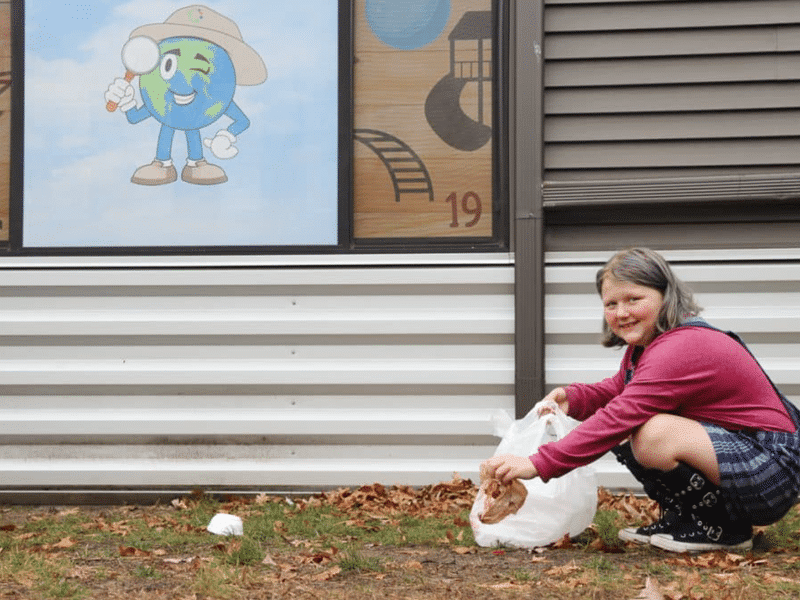
At a time when hope can feel in short supply, #RG20LookBack returns to the story of Zoey Tice, a Muskegon sixth grader whose simple decision to pick up litter reminds us how one small act can inspire others to begin.
Partnerships help students with disabilities prepare for careers while building confidence and independence
Disability Network West Michigan partners with schools and colleges to remove barriers and help students progress toward employment and independent living.
Little Michiganders need more investment in early interventions
Michigan legislature’s FY 2027 state budget includes a much needed $1.45 million increase for Early On.


