
Partnerships help students with disabilities prepare for careers while building confidence and independence
Disability Network West Michigan partners with schools and colleges to remove barriers and help students progress toward employment and independent living.
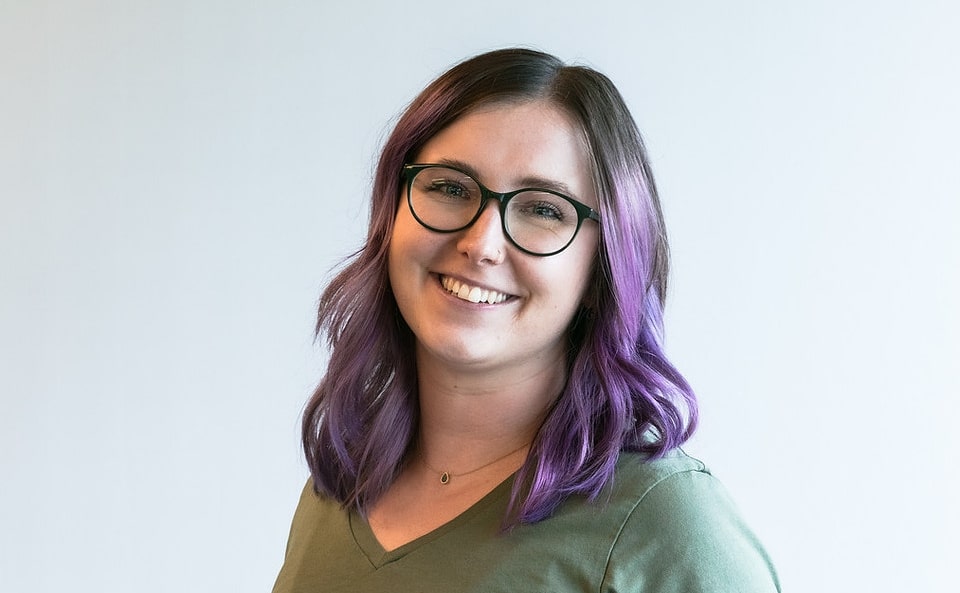
When a student at Muskegon Community College struggled to navigate public transportation because of multiple disabilities, staying in school became more complicated than attending class and completing assignments.
She needed a way to get there.
Staff at the college’s Jayhawk Hub provided her with bus passes and connected her to Disability Network West Michigan, where a representative helped her identify a bus route that fit her class schedule.
“It really was a joy to see how she trusted that partnership,” says Emily Merten, associate director of student success at Muskegon Community College. “We had already built that trust with her, so she was immediately willing to trust that person at Disability Network and take that next step.”
That student’s obstacle wasn’t unusual.
Students with disabilities often face challenges beyond the classroom. They may struggle to find transportation to school, stable housing, enough food, or a job. Without support, those barriers can make it harder to finish high school, earn a college degree, and live independently. They also benefit from learning how to advocate for themselves and navigate the services available to them.
Disability Network West Michigan has spent years working with schools and community partners to remove those barriers before they interrupt a student’s education.
That work begins at Muskegon Public Schools, where students start exploring careers while they are still in high school. It continues at Muskegon Community College, where students receive support as they earn certificates, degrees and prepare for employment.
Holistic approach
Merten says Muskegon Community College has increasingly recognized that academic support is only one piece of student success.
“MCC has really been focusing on the whole student, not just how they’re doing academically, but how all the other parts of their life directly affect their success at school,” she says.
Part of that focus is the Jayhawk Hub, where Muskegon Community College students have access to transportation, housing, food, and other supports. What started as a small food pantry in a library closet has grown into a campus resource center with 47 community partners.
Disability Network West Michigan was one of the first community partners, recognizing that the Hub’s focus on learning fits with the Network’s mission to equip, educate and advocate for accessible communities where everyone can participate fully.
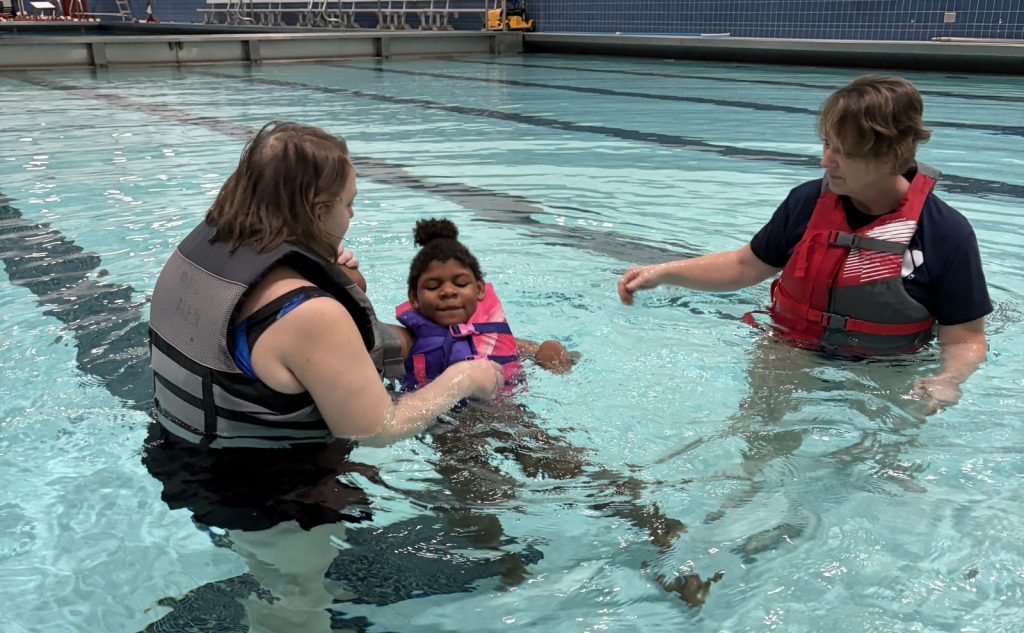
Instead of simply handing students a brochure, Disability Network staff spend time on campus so students can get help where they already are.
“It’s not just a phone number we’re giving you,” Merten says. “It’s someone we know, someone we have common goals with and a direct person we can connect you with.”
Merten says those personal relationships help remove barriers before they become reasons for students to leave school.
When students receive help addressing challenges outside the classroom, they can spend more time learning and are more likely to succeed. Merten says Muskegon Community College has begun collecting preliminary data showing that students identified as needing support who use Jayhawk Hub services are more likely to remain enrolled and persist than students with similar needs who do not use those services.
Efforts start in high school
Disability Network West Michigan’s work begins long before students arrive on a college campus. When the Muskegon Public Schools worked side-by-side with the community to envision and build a community-connected, career-focused, hands-on model of teaching and learning through the Ford Next Generation Learning framework, it invited the organization to participate.
“We were really moving away from traditional education as we’ve all known it for 150 years to a more career-connected approach to teaching and learning with guaranteed experiences and hands-on learning applications for learning,” says Deanna Holman, who leads the district’s transformation efforts. “Disability Network has helped to inform some of that planning, helping us make sure that we are able to provide services or opportunities for all of our students.”
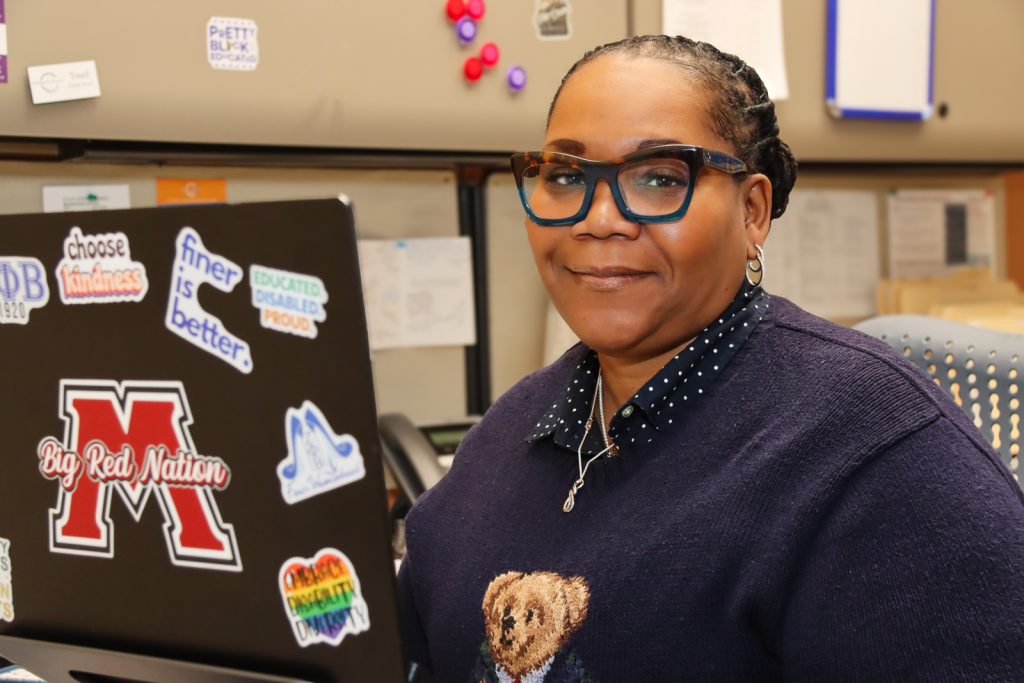
Trinell Payne-Scott, programs manager with Disability Network West Michigan, says joining those conversations early was important.
“We wanted to make sure Disability Network was at the table when you talk about serving students receiving special education services and making sure the playing field was equal,” Payne-Scott says.
The partnership does more than help students explore careers. Payne-Scott says Disability Network helps students speak up for themselves, find rides, get ready for work, find housing and learn how to use adult services after they leave school.
The goal is to help students become confident enough to make decisions and solve problems on their own while knowing where to turn when they need help.
Holman says that aligns with the district’s values.
“They do a lot of job coaching, and their mission is to help people live as independently as they possibly can,” she says. “We value student-centeredness, and our expectation is for all students to graduate with a diploma and a plan for the Monday after graduation.”
Many of the barriers students face have little to do with school.
Payne-Scott remembers working with a student who was moving from one friend’s house to another after losing stable housing. Disability Network helped the student apply for affordable housing, secure an apartment, and connect with community organizations that provided furniture and other household essentials. With a place to live, the student’s attention shifted back to school instead of wondering where they would sleep each night.
Transportation is another common obstacle, while others need help applying for benefits, finding employment, obtaining assistive technology, or understanding their rights under disability laws.
While those challenges may seem unrelated to education, they often determine whether a student stays in school long enough to reach graduation.
Continuing process
The partnerships at Muskegon Public Schools and Muskegon Community College create a continuum of support.
Students begin learning career skills, self-advocacy and community connections while still in high school. That continues after graduation through Disability Network’s work with Muskegon Community College. Education becomes more than earning credits or completing a degree; it becomes preparation for employment, community participation and independent living.
The partnerships do have limitations.
Muskegon Public Schools has completed only the first year of its career-connected learning transformation, and the first graduating class under the new model is expected in 2030. It will take several more years before educators know whether the long-term outcomes match their expectations.
At Muskegon Community College, the higher student success rates show an association between using support services and positive outcomes, but they don’t establish that the partnerships alone produced those results.
Another challenge is awareness.
Students can benefit from services only if they know they exist and feel comfortable asking for help. Disability Network’s regular presence on campus and involvement in school planning are intended to make those connections easier.
The career-connected learning model also depends on community organizations with specialized expertise. Disability Network West Michigan, one of Michigan’s Centers for Independent Living, offers disability resources, independent living services, and self-advocacy training that complement what schools and colleges provide.
Holman believes those partnerships strengthen the work happening across the community.
“I think they’re a hidden gem with a lot of potential for bringing us together and helping us all to rise.”
Photos courtesy of Muskegon Community College and Muskegon Public Schools, and photo by Tommy Allen.
The multi-regional Disability Inclusion series is made possible through a partnership with Centers for Independent Living organizations across West Michigan.
Author

Related Articles
MSU med students help children see futures in health care
MSU College of Human Medicine students lead hands-on programs helping children explore health careers and feel more comfortable with doctors.

Something for every season: Fashion, curiosity, and community at the GRPM’s new archive center
Inside the Grand Rapids Public Museum’s new Archives Center, Kendall College of Art and Design students are turning decades-old garments into inspiration for their next designs.
New talent report highlights AI gap, workforce shifts in region
The Right Place’s 2026 Talent Report outlines AI challenges, labor shifts, and strategies to attract, develop, and retain the regional workforce.


