
West Michigan refugee family builds belonging, resilience, and hope through diversity
For our Voices of Youth series, Hawathiya Malual shares how her Sudanese and Ethiopian refugee parents rebuilt their lives in West Michigan, inspiring her dreams of leadership, education, and service.
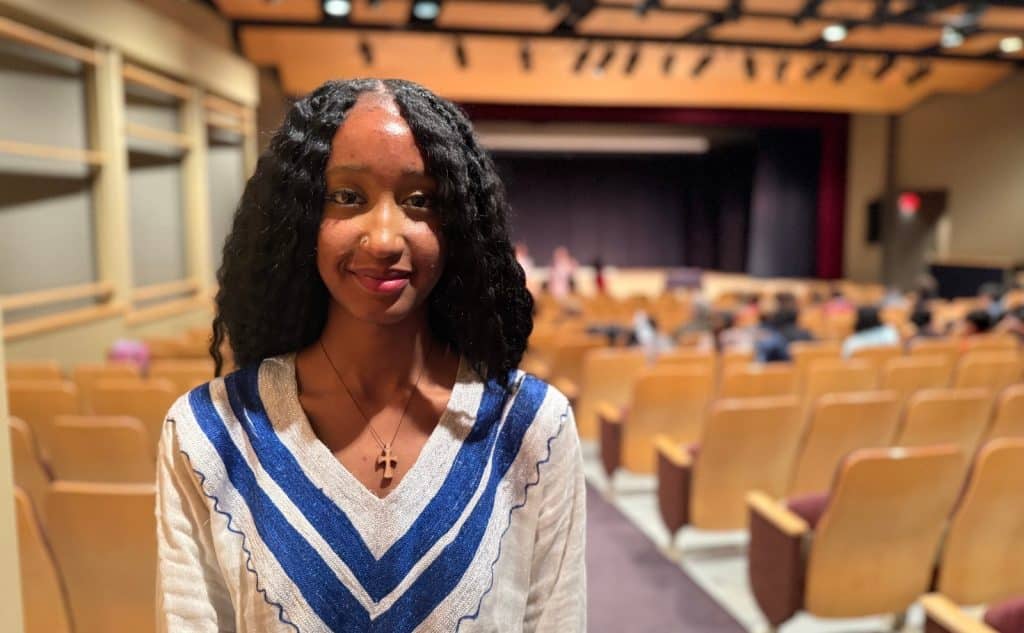
This Voice of Youth essay was originally presented on May 13 during the “Our Composite Community” presentation at the Grand Rapids Public Museum. Students from East Kentwood High School explored how Frederick Douglass’ vision of a “composite nation” has taken shape in West Michigan.
This is my family’s story of moving from Sudan and Ethiopia to West Michigan.
I start in a period not too long ago, shaped by two refugees who navigated a life far from anything familiar: my parents.
Their story began amid the rubble of my father’s childhood home in Wun Riang, Sudan. He became an orphan from a civil war that took his father’s life and separated him from his mother.
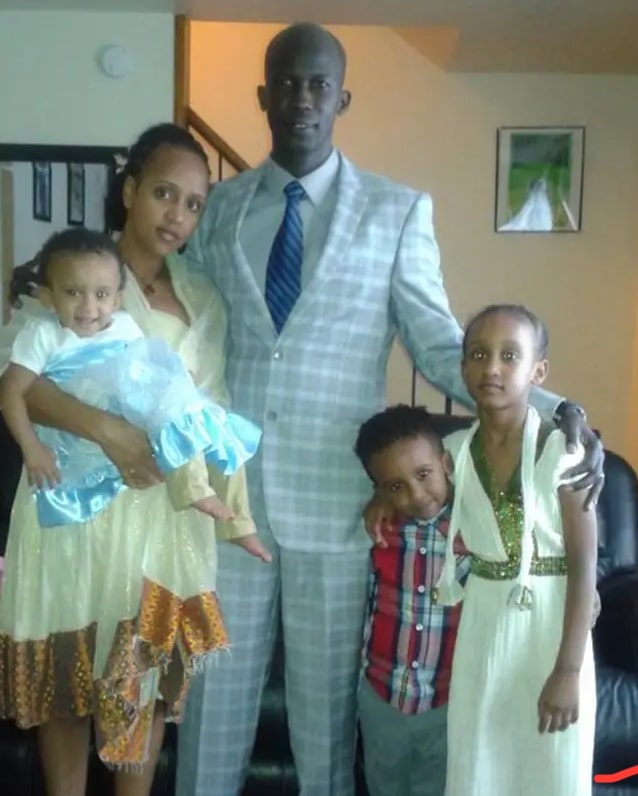
So out of a will to live, he joined over 20,000 boys in a thousand-mile march to a refugee camp in Ethiopia, a journey marked by loss and memories of a life he dreamed of returning to.
My mother faced that same hardship, as her home in Ethiopia became unsafe when tribal conflict erupted, forcing her to leave behind her family’s comfort and become a refugee.
Similarly, my mother also found comfort in that diversity, especially the Ethiopian community that she said gave her back traditions she had lost and helped her rebuild herself, spanning from the Ethiopian Orthodox churches to the cuisine.
My father arrived in the U.S at the age of 19, and my mother at 17, both through the International Organization for Migration, and were placed in foster families, my father in Virginia and my mother in Lansing. After earning their diplomas, they took another leap and moved to West Michigan. This time, it wasn’t just another stop in their journey; it became their home.
My father chose West Michigan because he was amazed by its diversity, especially its harboring of communities from every realm of the world, including ones that reminded him of home. He also valued its educational opportunities, which enabled him to earn his master’s degree and write a book.
Challenges and opportunities
Yet the move posed challenges, as my mother, struggling with the language barrier, contends it led her to be taken advantage of in the workplace, as she exclaimed, “I was lost for words to defend myself.”
My father struggled with the individualist culture in America, often saying there were moments where “I had to face everything alone,” something adverse to a culture he was familiar with, where “communities faced problems together.”
So when they met, they made it a goal to build a family that felt like the home they lost, and they did. However, they made sure it was one embedded with American ideals, too.
This process of assimilation wasn’t a single moment but a slow process. My parents found themselves speaking less of their native tongue and celebrating more American holidays. But they didn’t change the food, tradition, and values— all jewels they refused to cover.
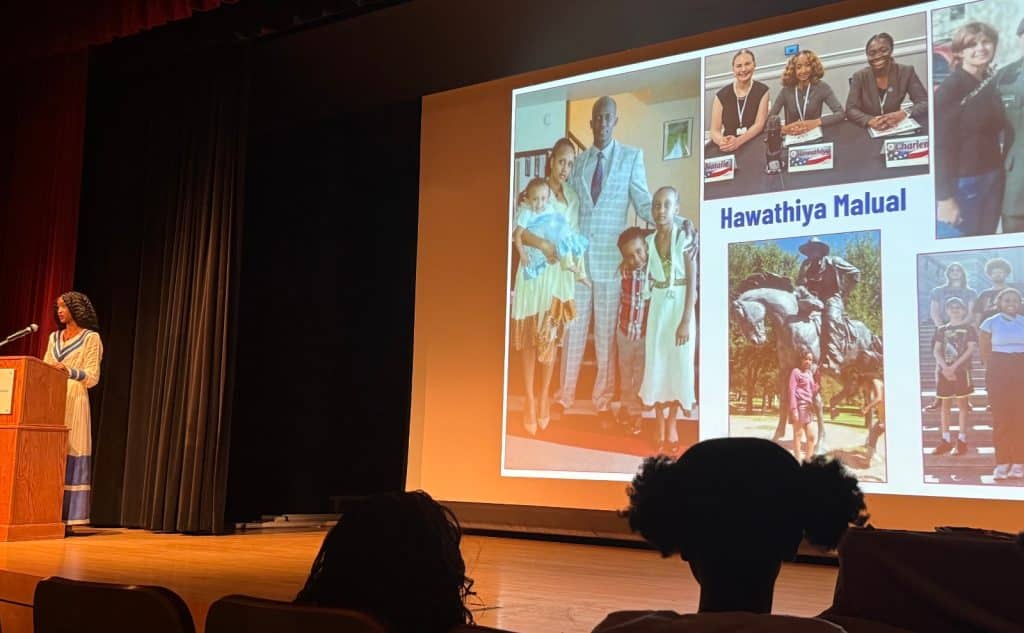
Living in West Michigan caused my parents to not only adapt but also to have resilience. My father said this place gave him room to grow while leaving space to hold on to his culture, harboring their community celebrations, church gatherings, and family events, allowing them to feel connected.
And because of that, they felt obligated — my mom said, “from the golden rule this place echoed” — to support newcomers, as evidenced by my father providing financial support to newly arrived family members, and my mother welcoming them.
This shows that because West Michigan embraced them, my parents embraced those who followed. This still continues, as events like the Glimpse of Africa, or the Grand Rapids museums honoring West Michigan’s diversity, remind us that our presence is part of history.
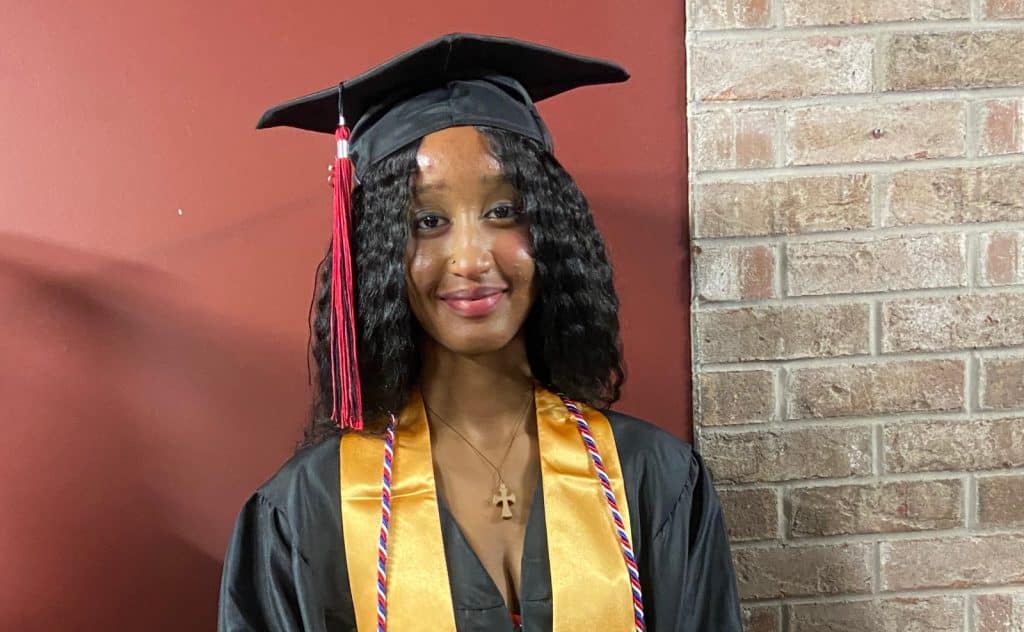
But most of all, one of the greatest gifts West Michigan gave me is the pride of being a student at East Kentwood High School, the most diverse school in Michigan. We are living proof that diversity is our strength, as it allows for achievements like We the People, where my team of constitutional scholars, made up of students from many backgrounds, placed top in the nation.
Because West Michigan gave individuals like my parents the opportunity to rebuild, belong, and thrive, I feel inclined, after school, to major in philosophy and build a path to Congress in the hope of representing our beautiful community.
Photos by Shandra Martinez and provided by Hawathiya Malual
Hawathiya Malual was born in El Paso, Texas, to parents who came to the United States as refugees from Ethiopia and South Sudan. Her family later settled in Grand Rapids, where she grew to love West Michigan’s winters and summer beaches. She graduated from East Kentwood High School in May and will attend the University of Michigan in the fall to study biomolecular science and philosophy.
To learn more about Rapid Growth’s Voices of Youth project and read other installments in the series, click here. This series is made possible via underwriting sponsorships from the Steelcase Foundation, Frey Foundation, PNC Foundation, and Kent ISD.
Related Articles
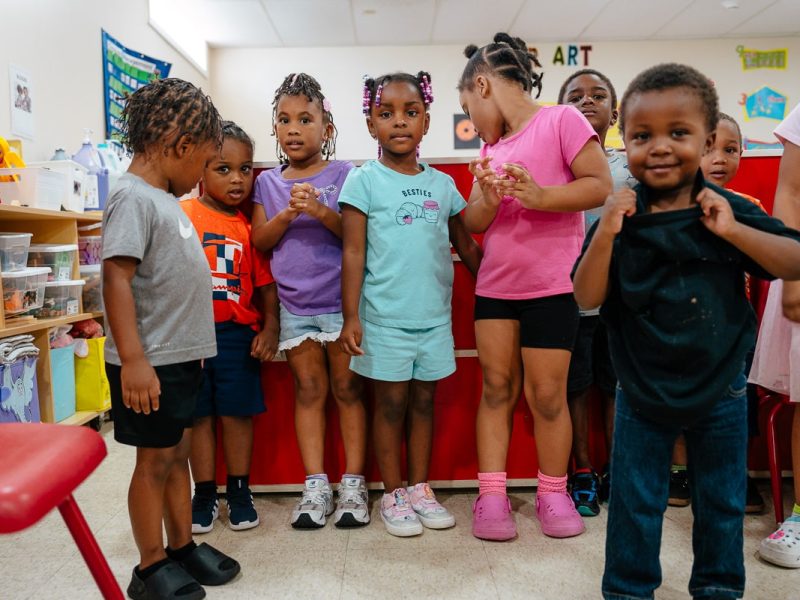
Michigan’s free universal pre-K program could serve 70,000 4-year-olds this school year
Launched in 2023, PreK for All now has no income qualifications.
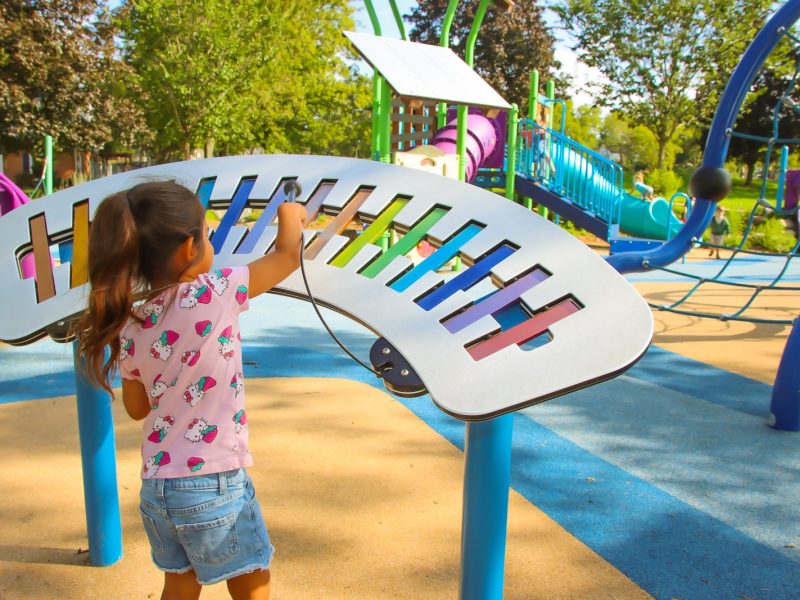
Is PreK for All meeting its goals?
Roadmap co-author encouraged by how the state is expanding its Great Start Readiness Program into universal pre-K.
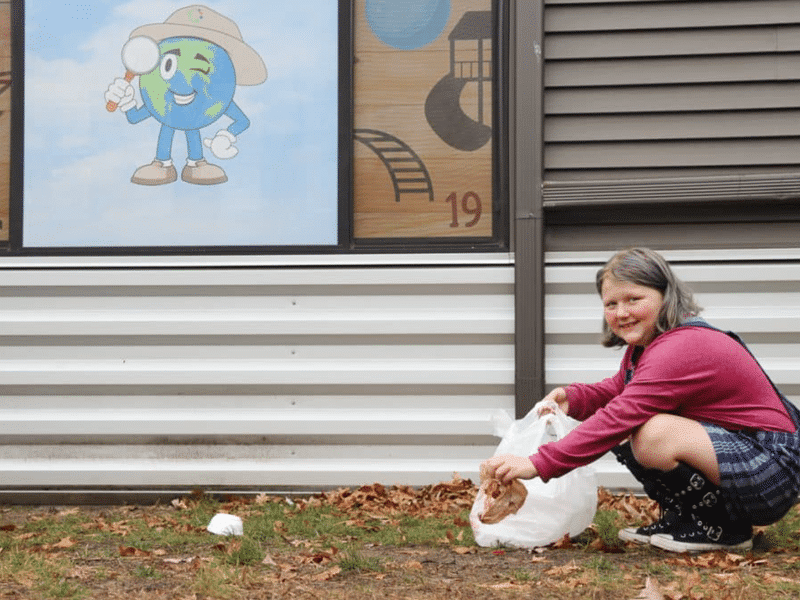
#RG20LookBack: Sometimes hope looks like a kid picking up trash
At a time when hope can feel in short supply, #RG20LookBack returns to the story of Zoey Tice, a Muskegon sixth grader whose simple decision to pick up litter reminds us how one small act can inspire others to begin.


