
West Michigan program links food access to student learning
Kids’ Food Basket pairs meals with nutrition education, helping West Michigan students improve focus, try more nutritious foods, and build healthy habits.
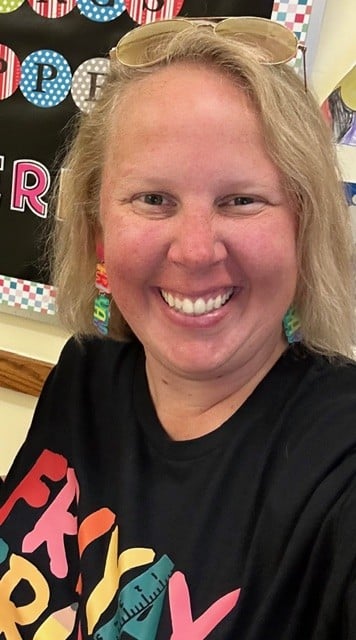
In her third-grade classroom, teacher Brooke Klopcic sees the difference reliable meals can make.
Students who once struggled to focus are more alert. Other students who avoided vegetables are now asking for them at home. Many arrive at school ready to learn after consistently having a nutritious meal the night before.
Klopcic, who teaches at Congress Elementary School, part of Grand Rapids Public Schools, says a partnership with Kids’ Food Basket, a nonprofit organization that provides take-home “sack suppers” and nutrition education, is helping address food insecurity in ways that go beyond hunger.
“I’ve definitely noticed a difference,” Klopcic says. “It’s so nice to know that there’s no strings attached. If you need it, it is here for you, and that makes all the difference.”
About half of her students receive the meals each day, and she estimates that at least a third of students across the school participate in the program. Also, the program provides “break bags” with nonperishable food before school vacations, helping families maintain access when school is not in session.
Healthy habits
Kids’ Food Basket serves children across Allegan, Kent, Muskegon, and Ottawa counties. It delivers millions of meals each year, the centerpiece of its mission to provide nutrition education and hands-on experiences that build long-term habits.
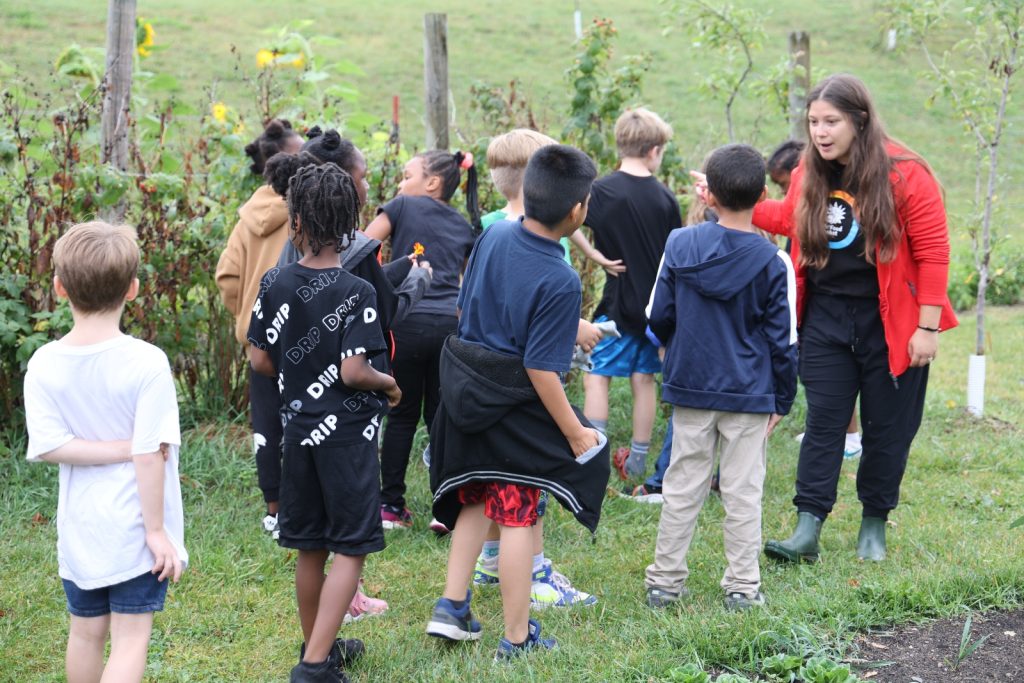
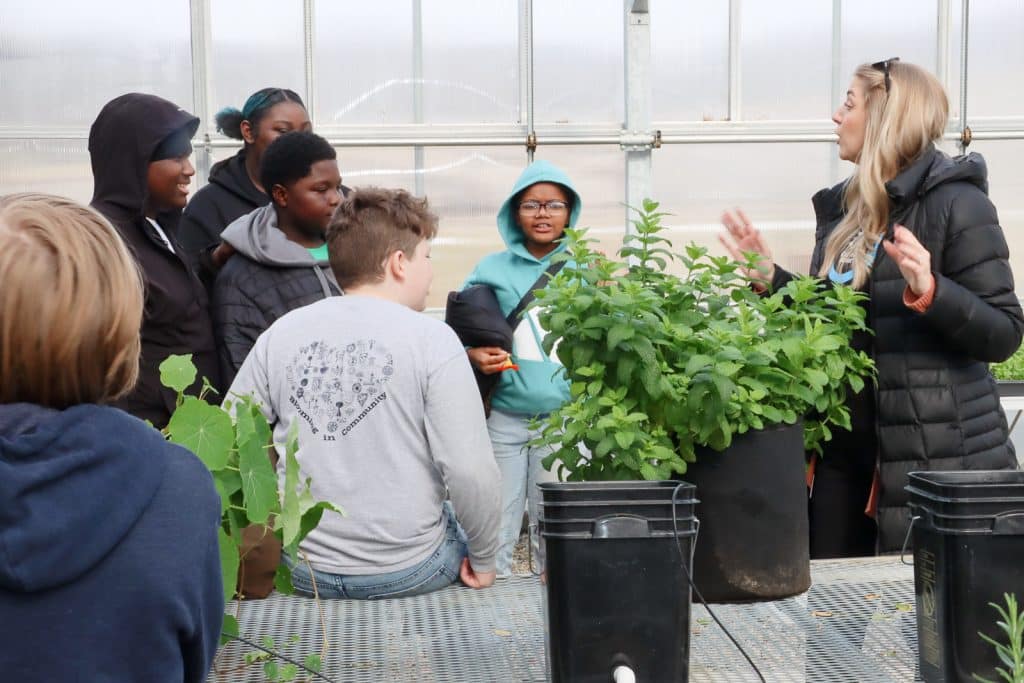
Students learn where food comes, how food affects their bodies, and why it matters. Lessons often include farm visits, cooking activities, and interactive classroom sessions.
The goal is to address immediate hunger while also influencing eating habits.
Klopcic says reliable access to nutritious food shows up in student behavior and performance.
“I see just more alertness with my students, and they’re able to better focus,” she says. “If you eat well, you feel well. You have the energy to perform whatever task it may be.”
She says the difference is especially noticeable in the morning.
“They’re not constantly drowsy and trying to stay awake,” she says. “They’re ready to learn.”
Students are also changing how they think about food and its connection to their bodies.
“It’s even just that willingness to try new food,” she says. A student may say, ‘I thought I didn’t like these, but now that I tried them, I really do.’”
She recalls one student asking a parent to buy carrots. “That’s a huge win,” Klopcic says.
Students often look forward to opening their sack suppers, especially when they recognize foods they have tried before.
“To have so many students be excited to get these sack suppers and say, ‘Oh, there’s tomatoes’ or ‘there’s carrots,’” she says.
Learning about food
Hands-on learning plays a central role, Klopcic says. Students visit the Kids Food Basket farm, where they harvest produce and taste it fresh.
“Being able to go to the farm with my class and show them firsthand where the food comes from was awesome,” she says. “You don’t get to go on many field trips where you’re encouraged to pick something off a plant, then eat it.”
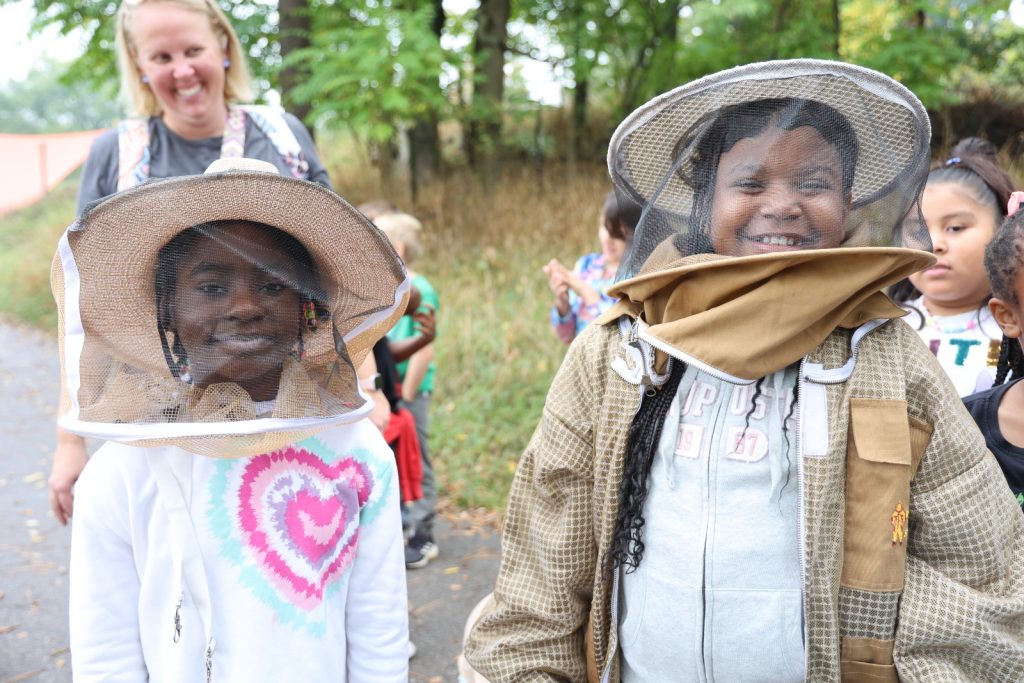
Those experiences help students connect food to how their bodies function.
“You could see that light bulb go on,” Klopcic says.
The lessons stay with them after the visit.
“They remember what they tried, and they want to try it again,” she says.
Learning to like it
Stephanie McNitt, manager of education for Kids’ Food Basket, says the combination of food access and education is intentional.
“Our goal for the education team is to equip kids and families through education about what nutritious food is, where it comes from, and why it matters,” McNitt says. “Ultimately, our goal is healthy development and healthy habits.”
She says repeated exposure plays a key role.
“We really talk a lot about taste-training your brain, how many times it takes to like something instead of just saying no right away,” McNitt says.
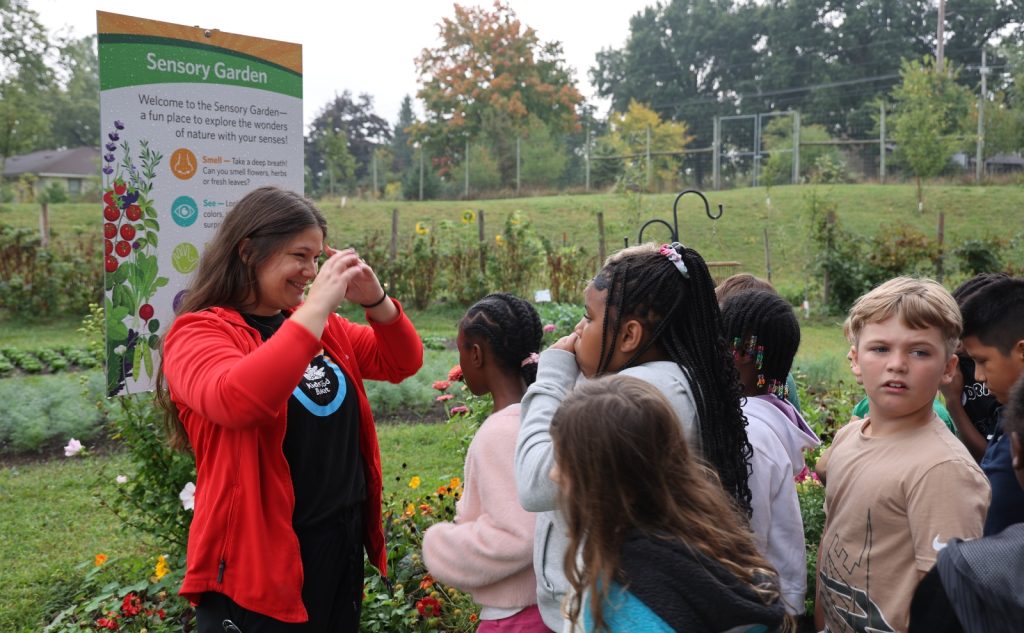
Students are encouraged to try foods more than once.
“You might not like it today, but challenge yourself to try something new again and again,” she says.
Educators also introduce ways to make foods more appealing.
“We call those ‘bridge foods’ foods that help you eat something you might not like right away,” McNitt says of foods like radishes, celery, and broccoli.
Hands-on activities support those lessons.
“We really get to incorporate them as a chef,” she says. “That independence and autonomy connect them to their food.”
For many students, these are new experiences.
“A lot of times it’s their first time visiting a farm or harvesting their own food and eating it themselves,” McNitt says.
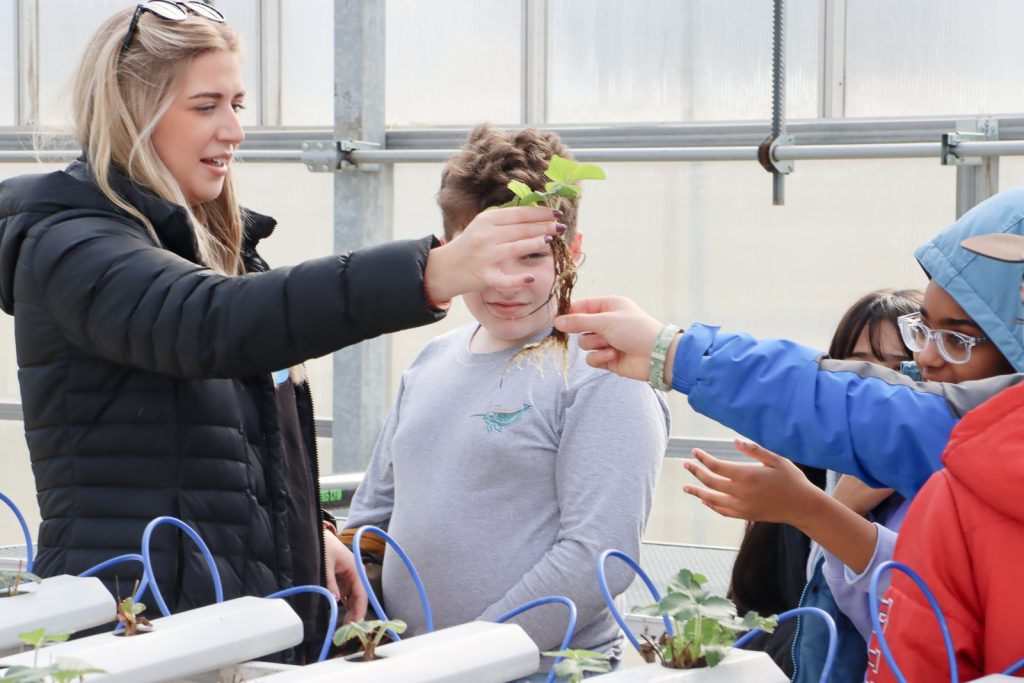
Lessons also focus on how food supports the body.
“We love to call it the big science word phytonutrients,” McNitt says. “Eating the color and the freshness of that fruit or vegetable.”
Students learn simple connections tied to color.
“Green gives you energy, red helps your heart, orange helps fight off cold and flu,” she says. “We eat the rainbow. Kids are surprised that they like it. You don’t often see kids eating raw kale. Seeing them munch leaf after leaf is always a highlight.”
Bigger health picture
Health leaders say the program reflects a growing focus on prevention.

Dr. Ronald Grifka, president of University of Michigan Health-West and a pediatric cardiologist, says nutrition and education are critical.
“The two things that kids need so they have a chance to succeed are nutrition and education,” says Grifka, who also serves on the board of Kids’ Food Basket, a role that reflects his focus on prevention and child health beyond clinical care.
He says poor nutrition is tied to long-term health risks.
“If those kids don’t eat, they’re not going to do well from a growth, education, or health perspective,” he says.
Teaching healthy habits early can help reduce those risks.
“Obesity affects every organ system,” Grifka says. “If you can teach kids at a young age to eat well and stay active, that’s a tremendous advantage.”
Children often share what they learn at home.
“Now you’ve got multiplication of that effect,” he says. “It helps the whole community.”
Photos by Tommy Allen and courtesy of Dr. Ronald Grifka, Kids Food Basket, and Brooke Klopcic.
Nourishing Futures: How food builds thriving youth and stronger communities explores the many ways food nourishes young people, strengthens families, and supports healthier communities. This story series highlights innovative programs, collaborative partnerships, and the lasting impact of food access across West Michigan. It is made possible through the support of Kids Food Basket.
Author

Related Articles

The Hartford Nationals brings 400 adaptive athletes to Grand Rapids July 10-16
More than 400 athletes with disabilities from across the nation will compete; Paralympian Matt Scott will surprise six athletes with adaptive sports equipment.
Meijer Sports Complex expansion brings more teams, visitors, opportunities
The expanded Meijer Sports Complex adds softball and pickleball facilities to bring more visitors and tournaments, as well as additional opportunities for female athletes.
Health careers expo helps students explore opportunities beyond medical roles
As part of our Voices of Youth series, student journalist Mazonnah Holiday reported on the Future Rounds Health Careers Expo, where students explored healthcare career paths and connected with professionals.


