
Designer aims to elevate quality of life through accessible housing plans
Disability Advocates and a West Michigan designer create housing plans for safe, independent living.
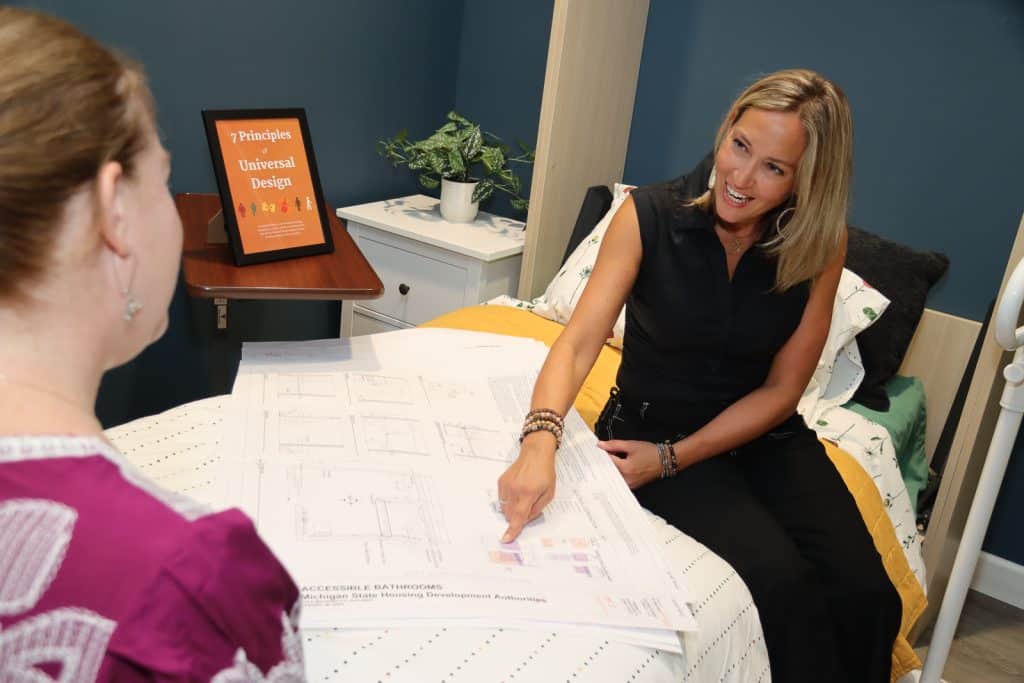
As a teenager working in a nursing home, Jolene De Jong watched older adults struggle with everyday life and wondered whether the spaces around them could make life easier.
“It’s got to be better than this,” she remembers thinking. “It’s nothing we can really do about aging or the way we’re made, but we can do something about the environment.”
That question stayed with her through her eventual career of more than two decades designing hospitals, and it now guides her work with Disability Advocates of Kent County.
For more than 25 years, the nonprofit has worked to make homes and communities more accessible by bringing together architects, interior designers, occupational therapists, builders, planners, and people with disabilities. Their latest collaboration, guided by De Jong, produced four prototype kitchen designs, four prototype bathroom designs, and a design guide intended to help builders create homes that work better for more people, not just meet minimum accessibility standards.
“The key is, it’s all about good partners,” says Dave Bulkowski, executive director of Disability Advocates since 2000. “There would probably be a 0% likelihood that Disability Advocates, in and of ourselves, could have come anywhere near the quality of the final product.”
The resources, funded by the Michigan State Housing Development Authority and developed with the Michigan Association of Planning, are available free online.
Career focus
For De Jong, the project feels like the culmination of a career centered on one goal.
“I’ve always been designing,” she says. “Even when I got out of college, I knew the purpose behind my design. I wanted to enhance the quality of life for everybody.”
After graduating from Michigan State University in 2000, De Jong moved to Chicago, where she spent more than 12 years designing hospitals across the country. She focused on creating environments that supported patients, families, doctors and nurses.
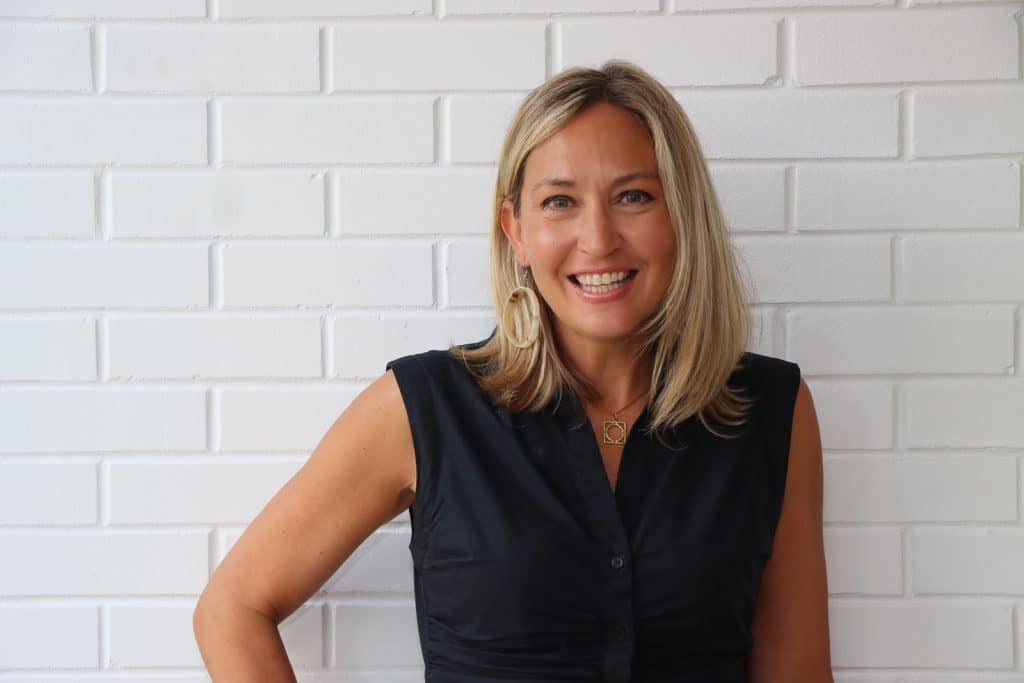
“I wanted it to be healing,” she says. “I wanted it to be mindful. I wanted it to be a place of rest.”
As rewarding as the work was, she couldn’t shake the question first sparked in the nursing home.
“We put all these principles in place in the healthcare realm because that’s where the standard is to accommodate for those that are most compromised and for healing,” she says. “But what about just everyday work and everyday home life?”
That question led her to Disability Advocates.
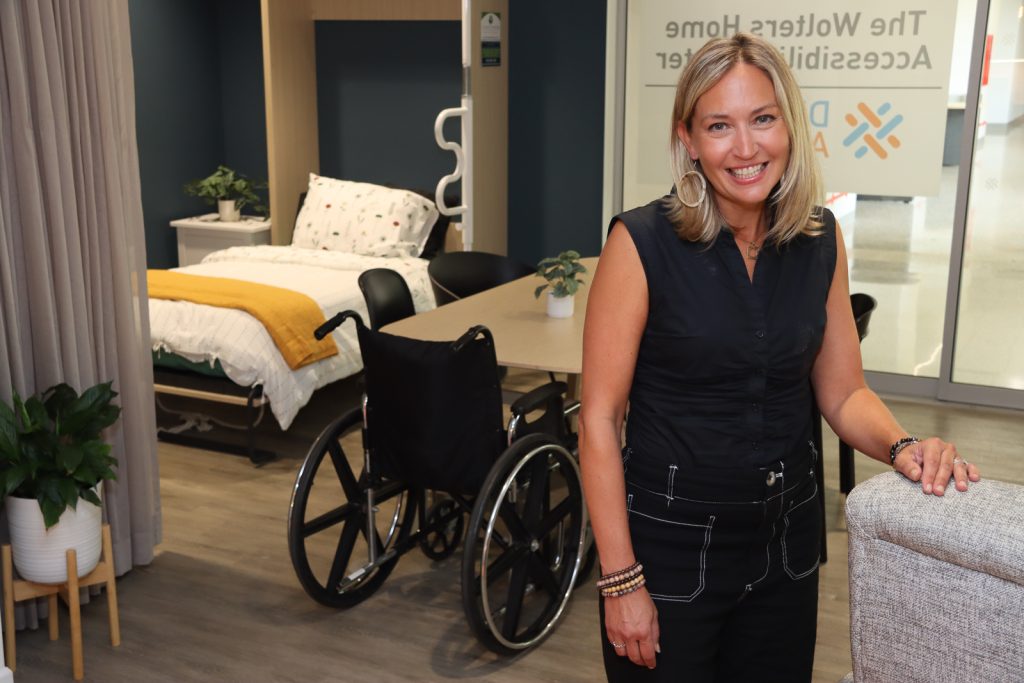
While working for MillerKnoll Brand Collective, De Jong learned that DAKC was creating a Home Accessibility Center in Grand Rapids.
“When I saw them starting to put together that Home Accessibility Center and trying to put those principles into action, I was like, ‘Oh my goodness, I want to be a part of this.'”
A work mentor connected her with Bulkowski, and after meeting, she volunteered to enhance the design of the center’s interior.
“When we first built it, it was a pretty stark and sterile environment,” Bulkowski says. “Jolene said, ‘I got time,’ and she did that. It was great working with her.”
The next step
The partnership continued to grow.
When Disability Advocates received funding to develop prototype accessible housing designs, Bulkowski says De Jong was the natural choice.
“Jolene was the go-to person,” he says. “Jolene designed the design workshops. She led the workshops.”
Rather than asking architects alone to develop new layouts, Disability Advocates invited people with disabilities, contractors, designers, planners, educators, and occupational therapists to work together.
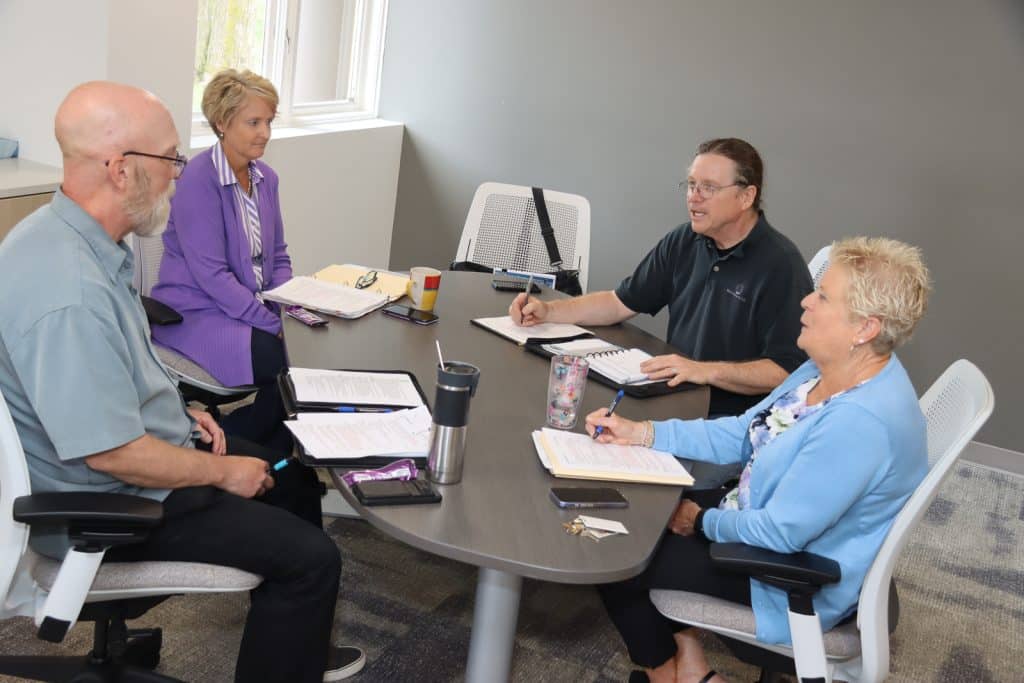
Participants gathered around paper floor plans, building their ideal kitchens and bathrooms while discussing what helped and what created barriers.
“The pictures of those workshops were just so awesome, filled with energy,” Bulkowski says.
The workshops produced conversations that challenged long-held assumptions about accessible housing.
“We’re looking at how best to lay out space, make it as flexible and usable, and again informed by people with lived experience,” Bulkowski says.
The discussions became the basis for four kitchen prototypes and four bathroom prototypes that serve as a reference guide that builders can adapt or use.
“They’re providing me the space to create and explore,” De Jong says. “They don’t have a designer or someone to apply these principles. It just felt like it’s been an awesome organic partnership.”
The designs focus on mobility limitations and meet or exceed Michigan building standards while making everyday tasks easier.
“What we say is, if you are actually designing for those needs, it’s not only better for them, but actually it’s better for everybody,” De Jong says. “Why aren’t we just designing for these unique needs if they’re going to benefit everyone anyway?”
Waiting for results
The prototypes were released only recently, so their long-term impact has yet to be measured. But early response has been encouraging. De Jong says many people interested in accessible housing understand the concepts but lack access to an in-house or professional designer who can create the drawings and visualizations needed to communicate those ideas effectively.
She says the next step is hearing from contractors who begin using the designs.
“We’re getting really good feedback at the moment, but I want contractors to really start digging in,” she says. “We’re challenging some building standards. We’re challenging building practices.”
Bulkowski believes the work reflects an effort Disability Advocates has pursued for decades.
“Twenty-five years ago, everybody’s hair was on fire about sustainability,” he says. “I said, ‘Don’t forget universal design.’ Now people are saying the next thing in design is inclusive design.”
The group is already working on its next project. They want to learn how things like lights, sounds, and other parts of a home can better help people with sensory needs.
Bulkowski hopes people across Michigan and beyond will use these ideas.
“Changing the way we build homes, that’s always been our goal,” he says. “Now people are taking us seriously and wanting to partner with us.”
He wants other disability organizations to build on what Disability Advocates has created.
“Whatever we’re building, we want to build it in such a way that folks can replicate it in their communities,” Bulkowski says. “Everything we’re doing, we want to be easily replicated.”
Photos by Tommy Allen
The multi-regional Disability Inclusion series is made possible through a partnership with Centers for Independent Living organizations across West Michigan.
Author
Related Articles
Certified Community Behavioral Health Clinics meeting Michiganders’ needs for integrated care
CCBHCs serve Michiganders no matter what their income or insurance coverage.

How are Michigan’s families doing?
Rising costs, child care shortages and barriers to health care are straining Michigan families. What could help?

Rx Kids အစီအစဉ်ကိုမီချီဂန်ပြည်နယ်ရှိလူမှုအသိုင်းအဝိုင်းပေါင်း၆၀သို့တိုးချဲ့ခြင်းကမိသားစုများ၏ငွေကြေးအခက်အခဲကိုလျှော့ချပေးပြီးပိုမိုကျန်းမာသောကလေးငယ်များမွေးဖွားလာစေရန်အထောက်အကူပြုပါသည်။
အနှစ်ချုပ်-မီချီဂန်ပြည်နယ်၏ဤအစီအစဉ်သည်နိုင်ငံအတွင်းအနာဂါတ်ကိုယ်ဝန်ဆောင် မိဘများအတွက်သတ်မှတ်ချက်မရှိဘဲငွေသားထောက်ပံ့ပေးသည့်အကြီးမားဆုံးအစီအစဉ်ဖြစ်ပါသည်။


