
Grand Rapids improves access to help everyone enjoy the city
Local groups work with people with disabilities to improve access, share travel details and make Grand Rapids easier to explore.
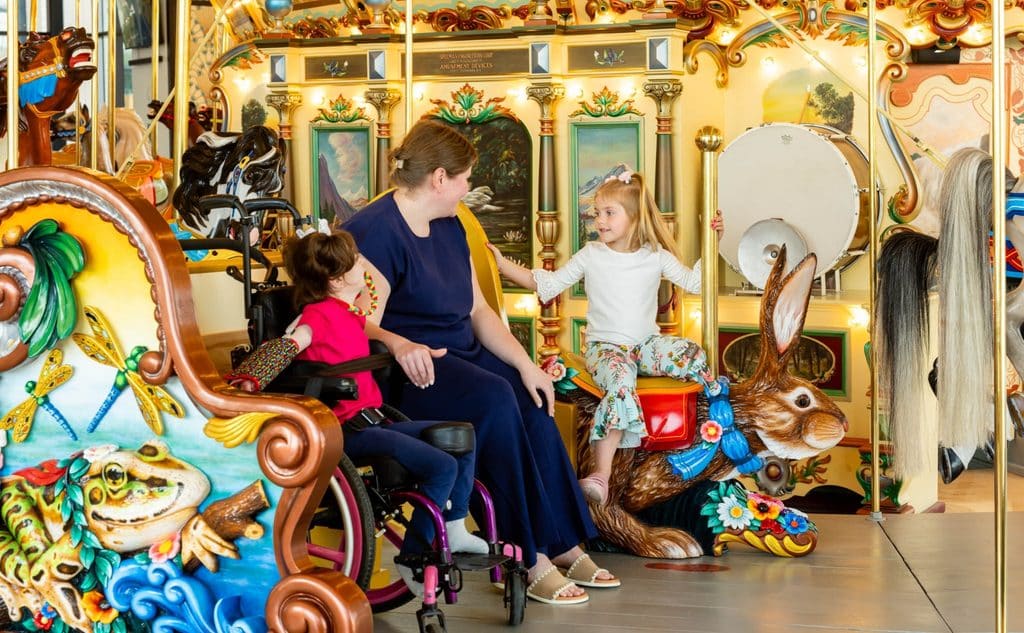
Steve Chapman used to need friends’ help to go to concerts and sports events. Sometimes they carried him to a seat. Other times, they helped him get down the stairs in his wheelchair.
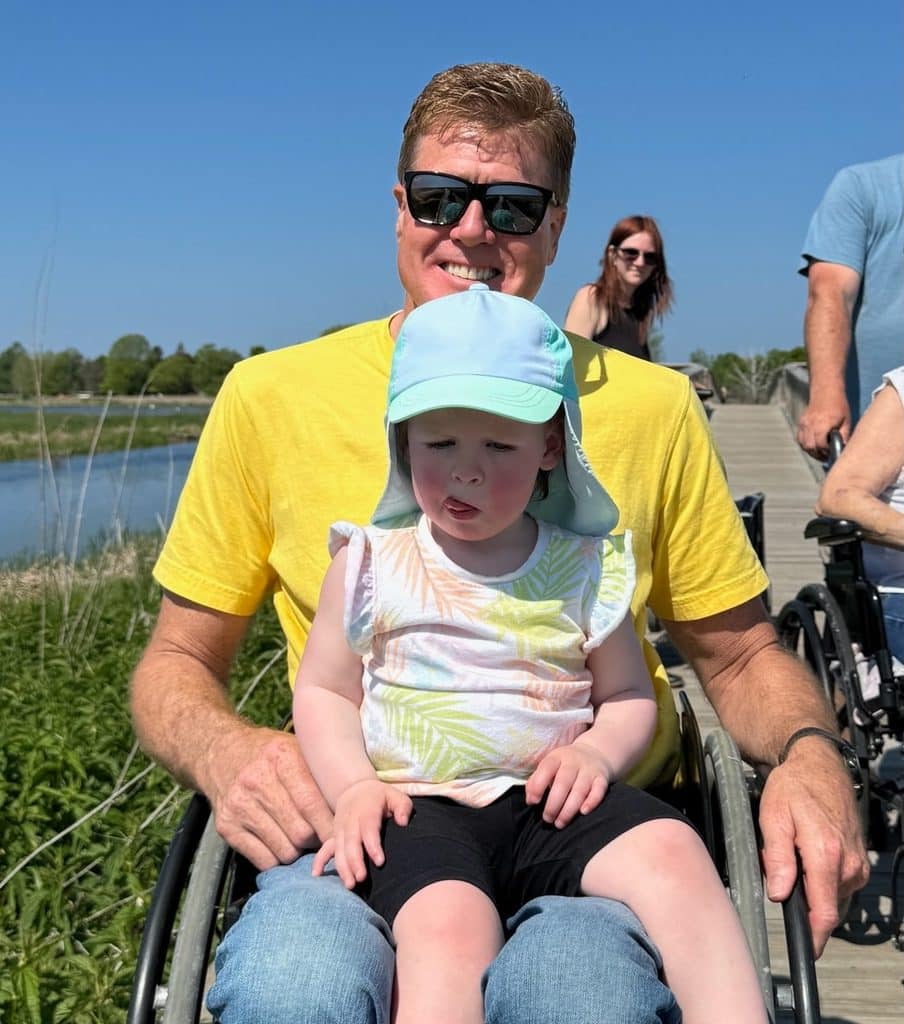
“I was blessed to have great friends that weren’t afraid to pick me up and carry me where I needed to go,” Chapman says.
Ramps at street corners, doors that open on their own, and room for wheelchairs allow him to do more without help.
Local groups are making Grand Rapids easier to get around. They take people with disabilities to downtown places to identify problems, then share the information to help people plan visits. Places need regular repairs, and people need different kinds of support.
Even when a hotel says it is easy for people with disabilities to use, guests may have questions. How high is the bed? How wide is the door? Where are the grab bars in the bathroom?
Kate Lieto, vice president of marketing at Experience Grand Rapids, says those details can make a trip possible.
“We really think that solving for uncertainty helps the most with accessible travel,” she says.
No judgment, just information
Experience Grand Rapids has worked with Disability Advocates of Kent County for about a decade. It also works with Wheel the World, which focuses on travel for people with disabilities. Together, they gather details about hotels, restaurants, and other places.
Some businesses worry about being reviewed because their spaces are not fully accessible.
“Accessibility means something different to everyone,” Lieto says. “These venue reviews aren’t about grading a space. They’re about providing clear, factual information so visitors can decide for themselves whether a venue meets their individual needs.”
Travelers can use those details to choose places that meet their needs.

“We don’t want any surprises when they get there because that can turn into frustration or embarrassment or whatever the situation is,” Lieto says.
Experience Grand Rapids added an artificial intelligence tool to its accessibility webpage. Visitors can ask questions, such as which hotels have beds under 30 inches high.
“It really takes all of that info and makes it a lot easier to use,” she says.
The group keeps adding information. It also helps residents plan outings and host visitors.
“It’s not just travelers that need that uncertainty solved for,” she says.
Downtown Grand Rapids Inc. works with Disability Advocates to find barriers.
Bill Kirk, DGRI’s communications director, says their official partnership began in 2019. The collaboration makes downtown easier for everyone to use.
People with disabilities join downtown walks to check streets, sidewalks, and public spaces.
“Is it a place that’s easy to navigate?” Kirk says. “And where it’s not, how can we improve that?”
Disability Advocates helps create parking and route guides. Its staff also checks event plans, attends events, and suggests changes.
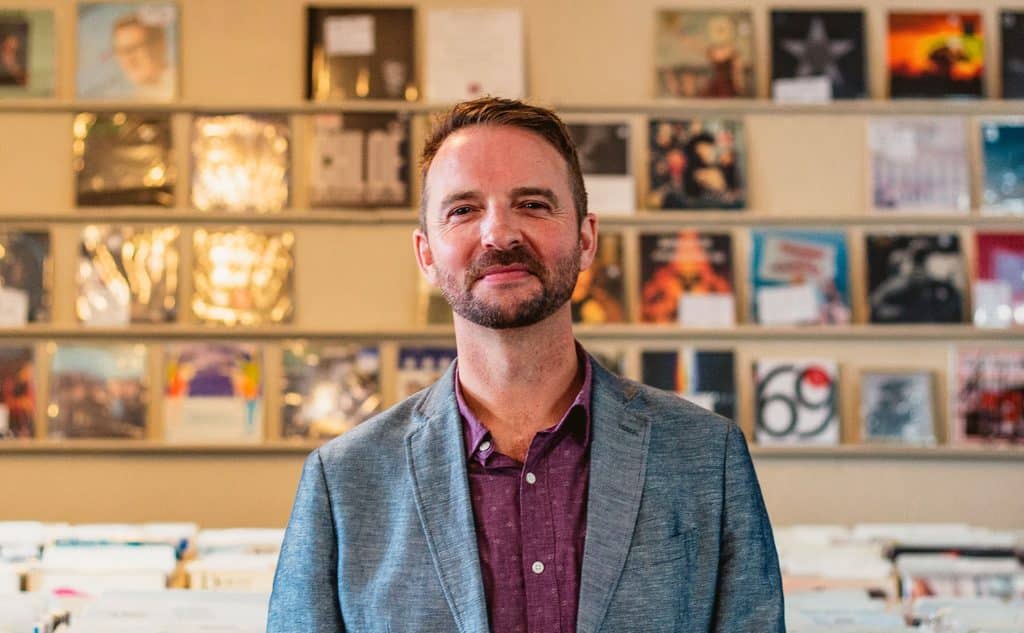
“We really rely on them to bring that to us,” Kirk says.
Likewise, people with disabilities help guide Experience Grand Rapids’ work, says Lieto, who is also a Disability Advocates board member.
“The work that we’re doing is what they want to see, not just what I think they want to see,” she says.
Seeing changes firsthand
Chapman, a board member of Disability Advocates of Kent County, has used a wheelchair since 1984 because of a spinal cord injury. His company, Creative Ability Solutions, sells sports and recreation equipment for people with disabilities. He travels for work and to race hand cycles, bikes powered by a rider’s arms.
“I find it very accessible compared to other places that I travel,” he says of Grand Rapids.
While attending Grand Rapids Junior College in the late 1980s, he sometimes traveled in the street until he found a driveway leading to the sidewalk.
“I don’t recall having curb cuts back then,” Chapman says.
He can get around Van Andel Arena in his wheelchair. Seating there lets him sit near a friend or his significant other.
Kirk says updates to the arena’s entrance plaza and the Grand Rapids Public Museum’s riverfront have improved access, though older entrances, narrow sidewalks, and long crossings still pose problems.
Access includes needs tied to hearing, vision and comfort in busy spaces. Lieto points to touch tours at Frederik Meijer Gardens & Sculpture Park.
“They allow people who are low vision or blind to actually touch the art and experience it that way,” she says. Staff and volunteers are trained to assist visitors.
“It’s a whole organizational, institutional mindset, really,” Lieto says.
Movie captions and museum items that reduce noise also help visitors.
Lieto says 2025 research by Longwoods International found that 19% of overnight visitors to Grand Rapids traveled with someone who needed accessibility services. Overnight visitors in those travel parties who answered the accessibility question gave the city an average rating of 4.4 out of 5.
Among travel parties needing accessibility services, 72% reported mobility disabilities, 29% hearing disabilities, 19% cognitive disabilities and 16% vision disabilities. Another 6% reported other disabilities.
That does not mean every place meets every need, but, she says, “We’re definitely invested. We’re at the table.”
Clear paths
For example, Chapman cites Grand Rapids’ sidewalk care.
“Something definitely noticeable here in Grand Rapids is the maintenance and upkeep of the sidewalks and keeping them smooth and looking nice,” he says.
He lived in Traverse City for 18 years, where uneven snow removal could block a route.
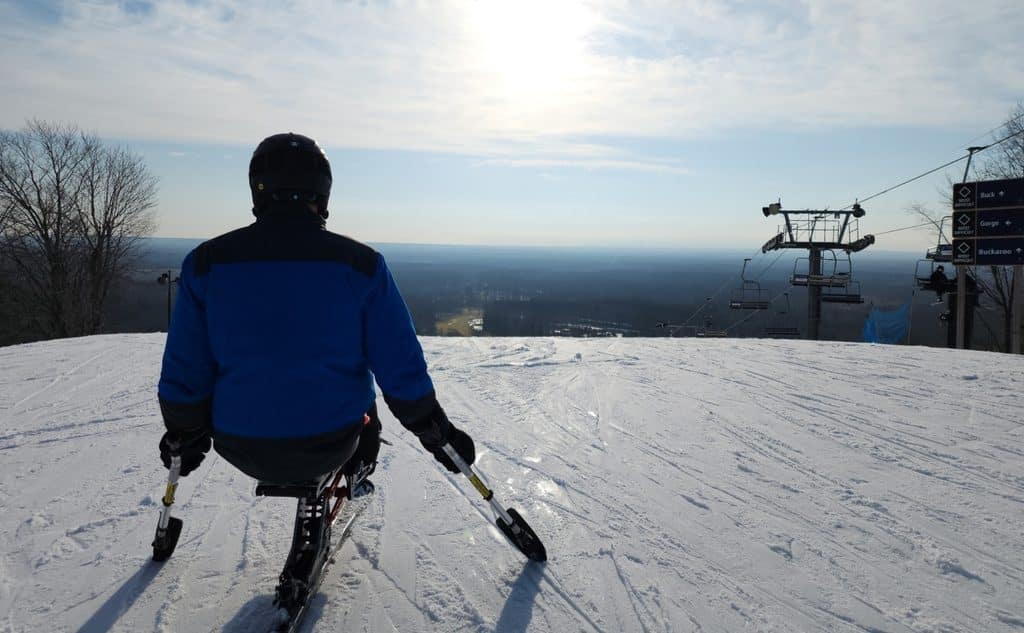
“You’d have clear sidewalk, and then all of a sudden you’d have a foot of snow,” Chapman says.
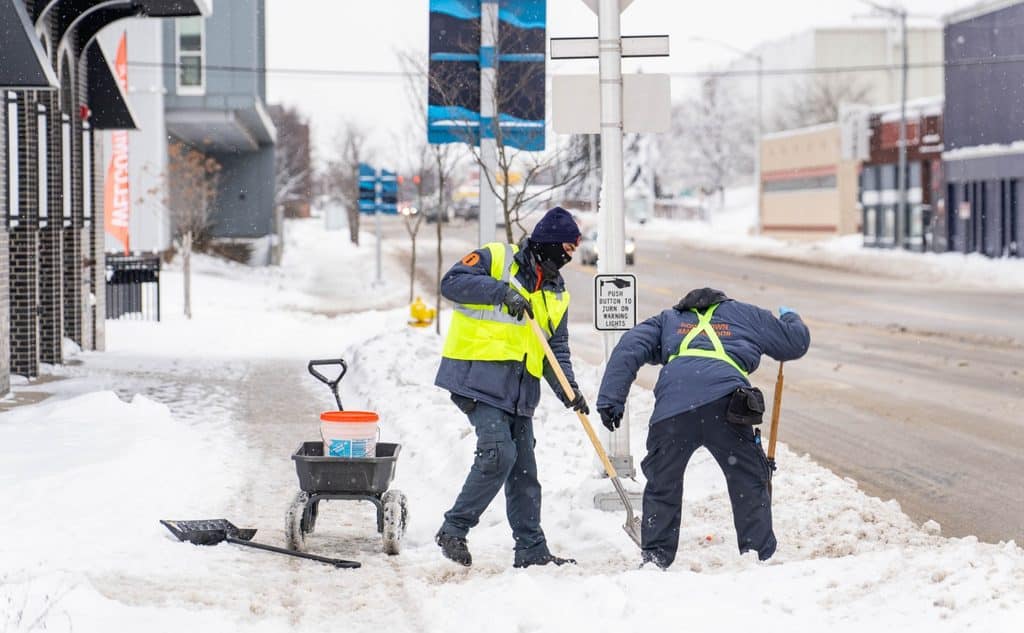
DGRI’s downtown ambassadors clear curb cuts and crosswalk entrances in winter. They also uncover raised warning surfaces that help people with vision loss find crossings.
“We can clear the start of a crosswalk all day long,” Kirk says. “But if there’s two feet of slush right after that, then that’s still a problem.”
Repairs matter all year. Pavement around trees can sink or elevate. Cracks, damaged ramps and broken railings can make travel harder.
“Even if you put in better infrastructure, you still have to really work to maintain that,” he says.
Chapman also sees more opportunities to participate in sports. His company, Creative Ability Solutions, provides hand cycles and sports wheelchairs.
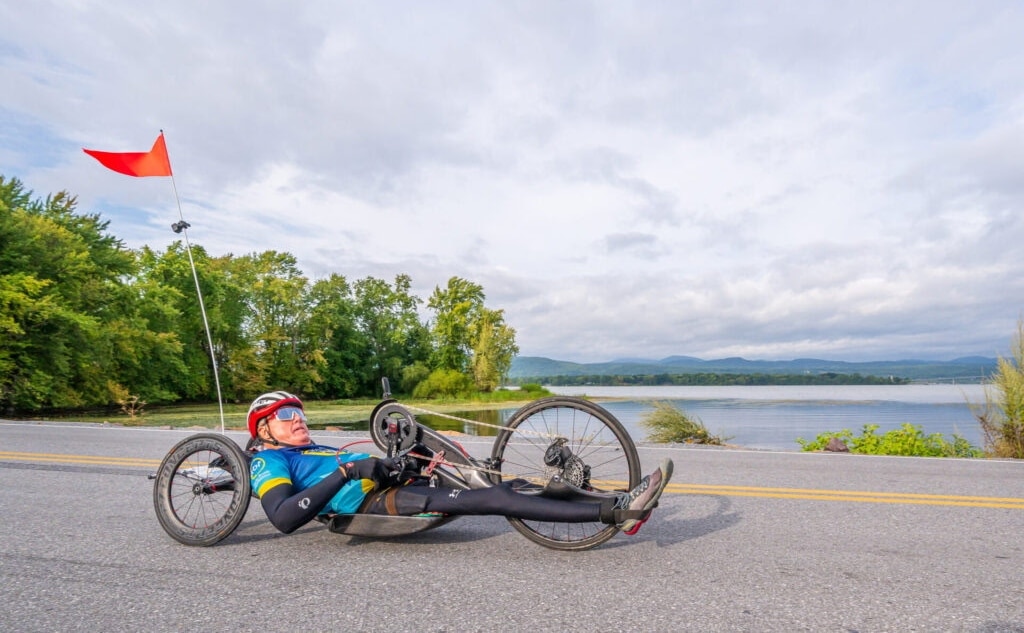
Grand River Shootout organizers invited hand cyclists to join their bike race. They started with one day of racing, then expanded to the full event the next year.
“To me, having able-bodied events and including hand cyclists in it is huge,” he says.
All of these efforts began with a conversation and grew over time. Across Grand Rapids, the work continues on a similar path: Ask people what they need, make changes, and keep checking how well those changes work.
“It’s always going to be a work in progress, but it’s not just a goal that we want to have,” Kirk says. “It’s a goal we need to have.”
Photos courtesy of Downtown Grand Rapids Inc., Experience Grand Rapids and Steve Chapman
The multi-regional Disability Inclusion series is made possible through a partnership with Centers for Independent Living organizations across West Michigan.
Author
Related Articles
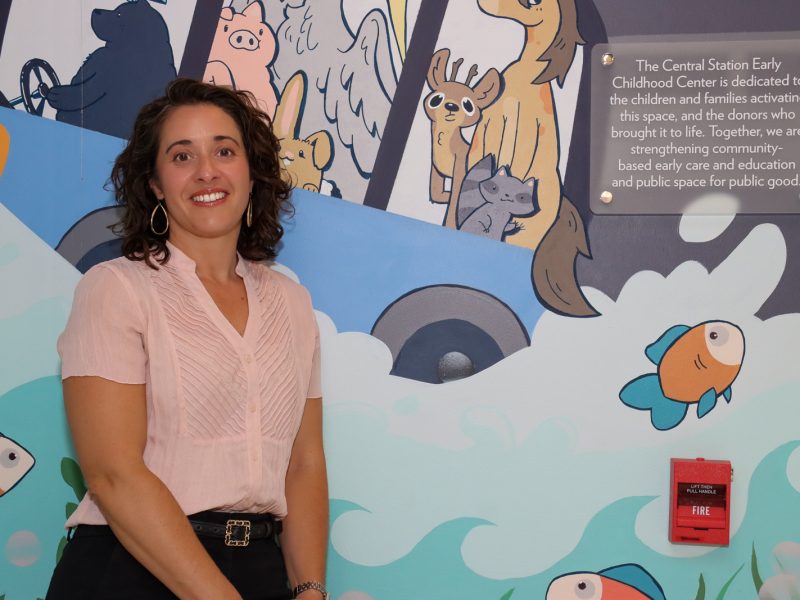
The wheels on the bus go ’round and ’round: Grand Rapids’ Central Station Early Childhood Center
The Rapid takes mom and dad to work -– and the littles to a brand new daycare opening in September 2026.
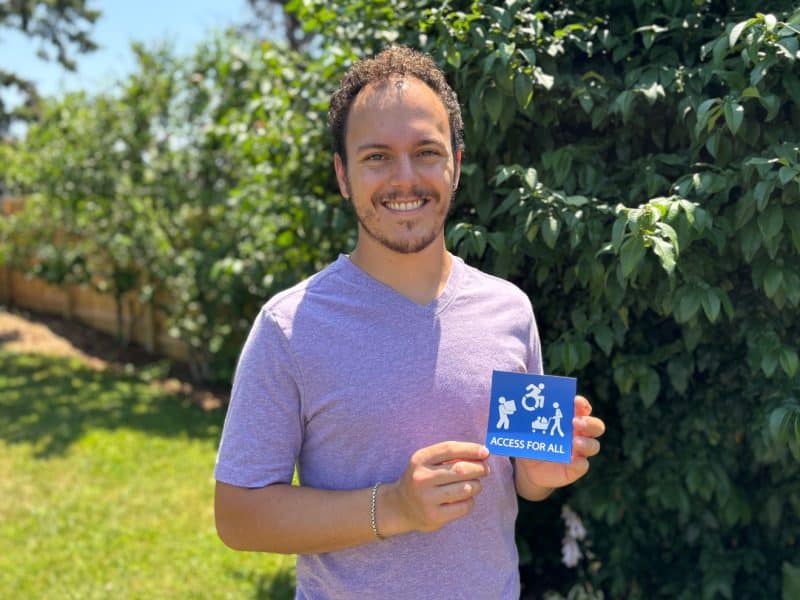
Designer’s accessibility sticker encourages communities to rethink who automatic doors serve
Grand Rapids designer Aidan Van Doren created an accessibility sticker showing automatic doors benefit parents, workers, older adults, and people with disabilities.


