
Internships for bilingual students help them develop Spanish skills while helping community
Jenison students gain bilingual experience through internships, preparing for future careers and opportunities while helping Spanish-speaking families communicate.
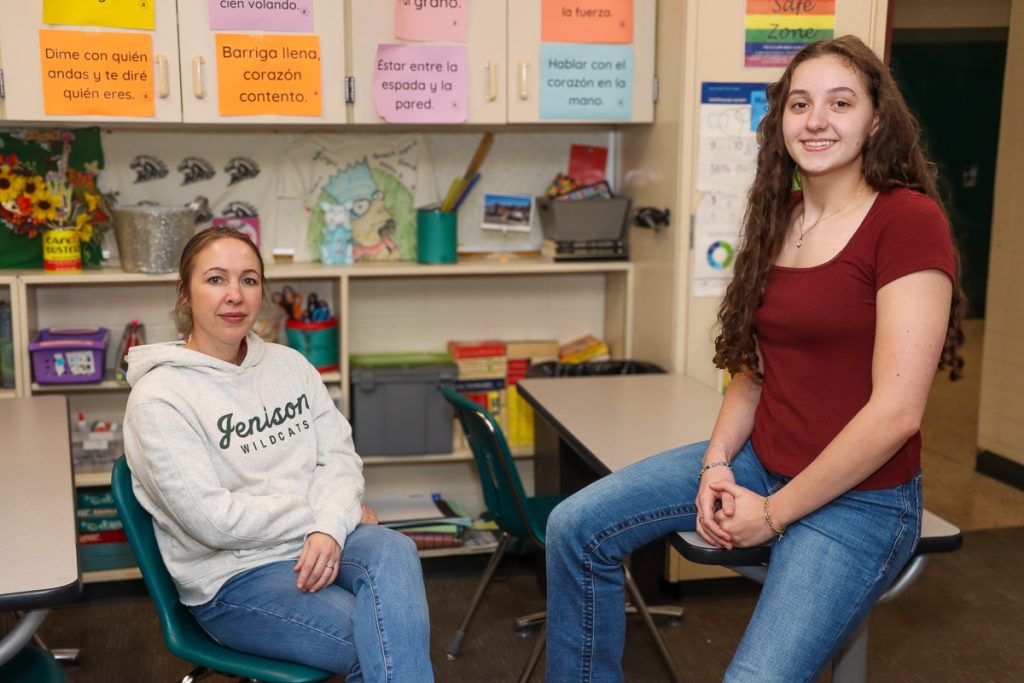
At an elementary school filled with students and parents preparing for conferences and school events, Eden Harris easily moves back and forth translating English and Spanish conversations. She translates for families, answers questions from students and parents, and helps children who are still learning English.
Harris is part of Jenison High School’s Spanish in the Community program, an internship-based class that allows students to use their Spanish skills in the real world. Students leave the classroom and instead participate in internships where they translate, assist families, and work directly with the Spanish-speaking community.
The Spanish in the Community program gives students useful experience while lowering language barriers in schools and other organizations.
“In this class, I do not teach Spanish,” says Lindsey Remley, a Jenison High teacher and member of the school’s Spanish immersion team. “Students go out and complete their internships, and we occasionally work on refining their grammar or spoken Spanish, but it’s rare because this is the culmination of their high school experience.”
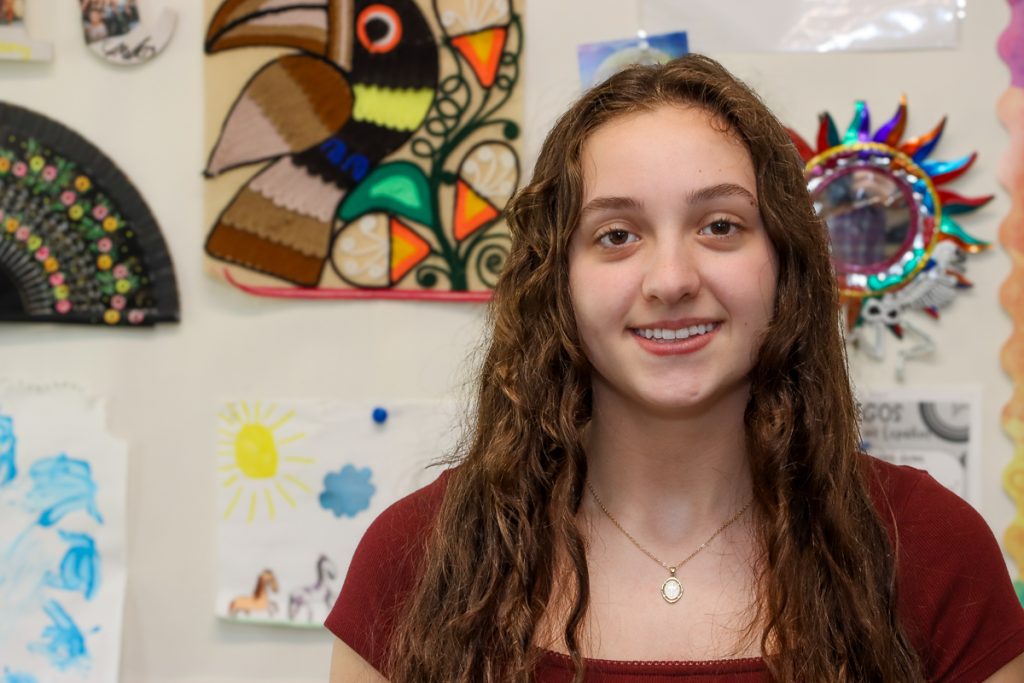
For Harris, the internship experience showed her just how important bilingual communication is.
“I help at my mom’s elementary school, where many students speak Spanish as their first language,” Harris says. “I translate for students and parents during conferences, open houses, and school events.”
Harris says that helping others communicate makes the work meaningful.
“I felt important and grateful to help because not many people can,” says Harris. “It was heartfelt and meaningful.”
One such moment especially stays with her.
“One little girl didn’t speak any English and didn’t want to leave her mom, so I stayed with her the whole day,” Harris says. “It was a full-circle moment when my mom later had her as a student.”
Learning outside the classroom
Remley created the program to help students move beyond textbook learning. Many students spend years studying a language in school, but often never use it outside the classroom. Through these internships, they strengthen their communication skills.
Instead of only practicing vocabulary words or classroom conversations, students learn to speak naturally with parents, children, teachers, and community members. Such real-world experience can help students gain workplace skills and become more confident both academically and personally.
Programs like Spanish in the Community are increasingly important as diversity in the United States grows. Schools, hospitals, and businesses need bilingual workers who can communicate clearly and make people feel understood.
Harris says one of the biggest lessons she’s learned is how important language can be in helping people feel comfortable, and how much communication affects relationships and trust.
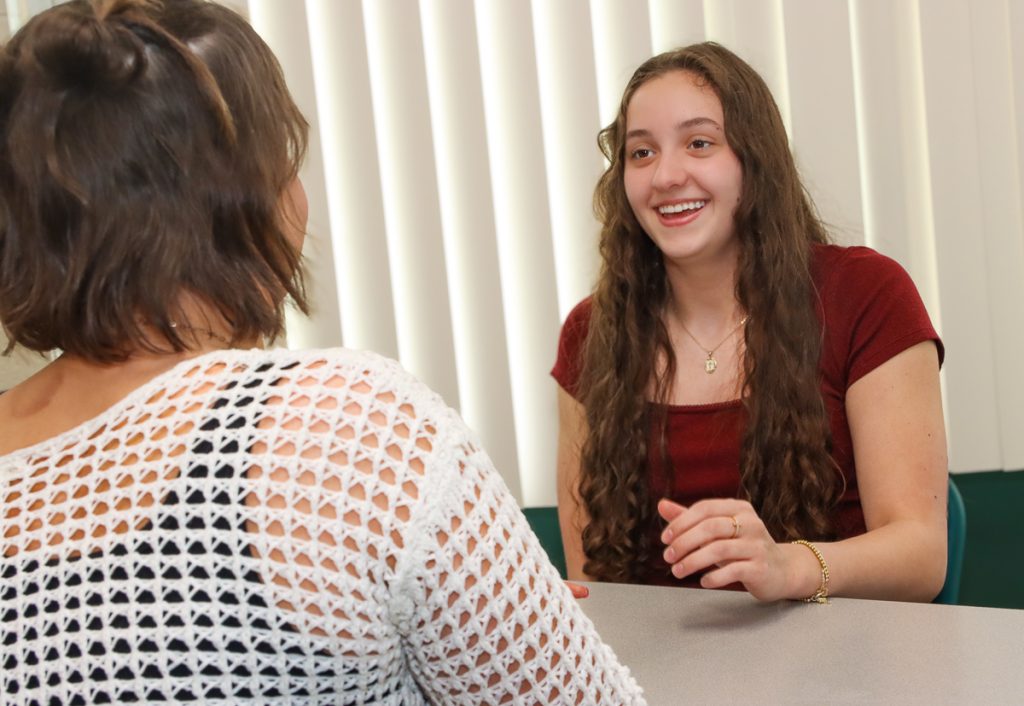
During conferences and school events, she often notices how parents react when they realize someone can speak to them in Spanish. People who were nervous or quiet at first suddenly become more willing to ask questions and engage in conversations.
Translating is not only about repeating words in another language, she notes; it is also about helping people feel included and respected.
“When people can speak in their first language, you can tell they feel more comfortable,” says Harris. “You can see the relief on their faces when someone understands them.”
The internships can be challenging because the students must think quickly and adapt to different situations. Because they work with children, parents, teachers, and professionals, every conversation is different. Some situations include helping families understand directions or paperwork, while others involve comforting younger students who feel nervous in unfamiliar environments.
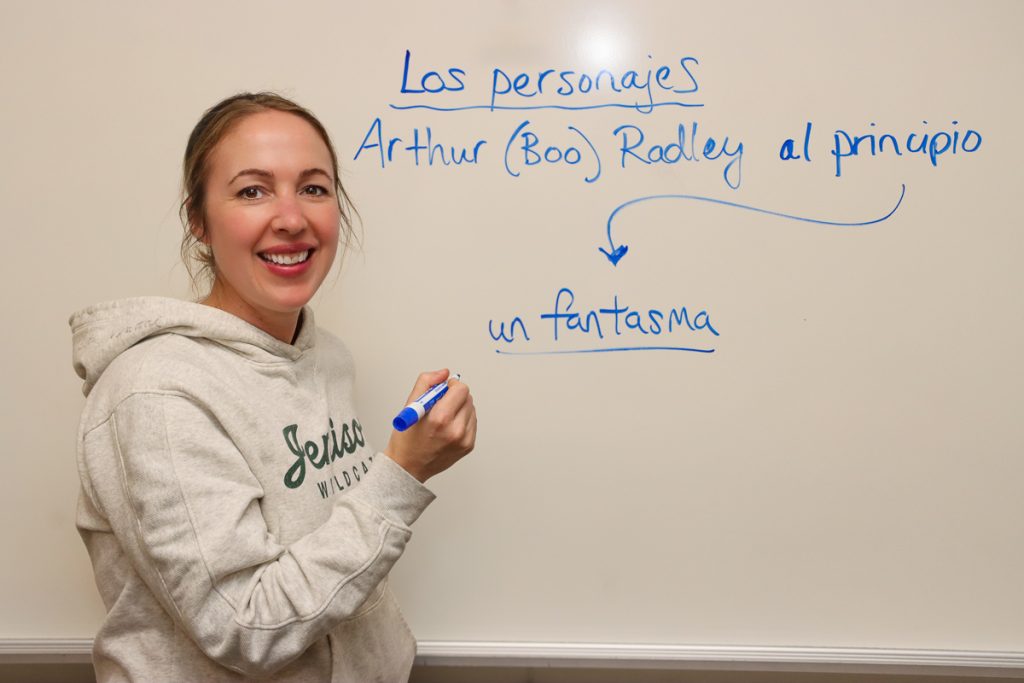
Also, using Spanish in professional and community settings, such as banks and childcare, requires the students to communicate clearly and stay calm under pressure. They gain experience communicating with adults, working in organized settings, and handling responsibilities beyond what they would in a typical classroom assignment.
Over time, the students become more comfortable speaking naturally and solving problems by themselves. This helps prepare them for college, future careers, and leadership positions.
Remley says that the growth is one of the most rewarding parts of the program. She enjoys seeing students recognize how much they can accomplish once they begin applying their language skills in real-life situations.
A sense of community
For Harris, the work has also helped her become more confident in herself. The program has influenced how she sees her future.
“In kindergarten, I didn’t have much say in joining the program; you enter a system and wait to see if you’re accepted,” Harris says. “But I chose to continue through junior high and high school because I believe it will be a big part of my future, creating opportunities and helping others.”
Even if she chooses a career path outside of translating or anything language-related, Harris says Spanish will remain an important part of her life.
“Whether I pursue a career focused on Spanish or not, I’d love to major or minor in it,” Harris says. “I can use it while traveling, translating for others, or helping immigrants communicate. No matter the profession, Spanish is something you can use anywhere.”
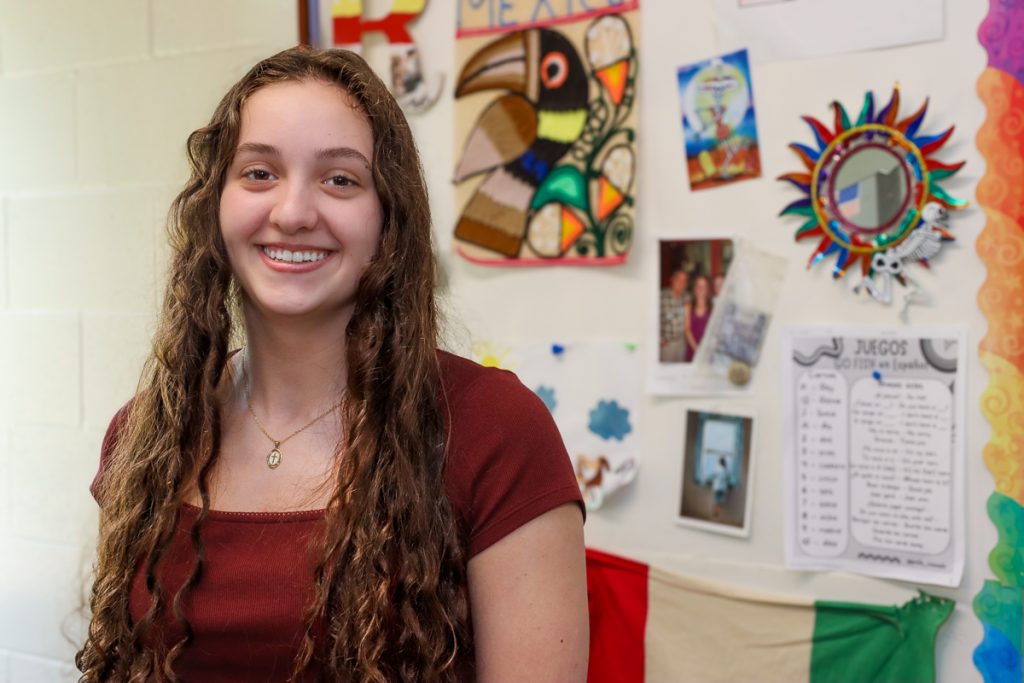
A sense of community within the immersion program also has played an important role in her experience.
Because students often begin the program when they are very young, many of them spend years learning together and building friendships.
“My favorite part is the community we’ve built,” Harris says. “We’ve been in the same classrooms for years, and we’ve become like family. My best friends are from Spanish immersion.”
That environment helps students support one another while also developing their language skills.
Remley says that the long-term commitment students make to the immersion program leads to students having strong confidence and fluency by the time they graduate.
“For many graduates, they’re thankful,” says Remley. “They see that it was a worthwhile experience.”
Combining learning, community support
Programs like Spanish in the Community provide personal and academic benefits to students while teaching them how their education can impact others’ lives. Instead of only doing assignments for grades, students use their abilities to help families and children while improving communication in the community.
Harris believes this way of mixing learning and helping others is a major reason why more schools should create programs like this.
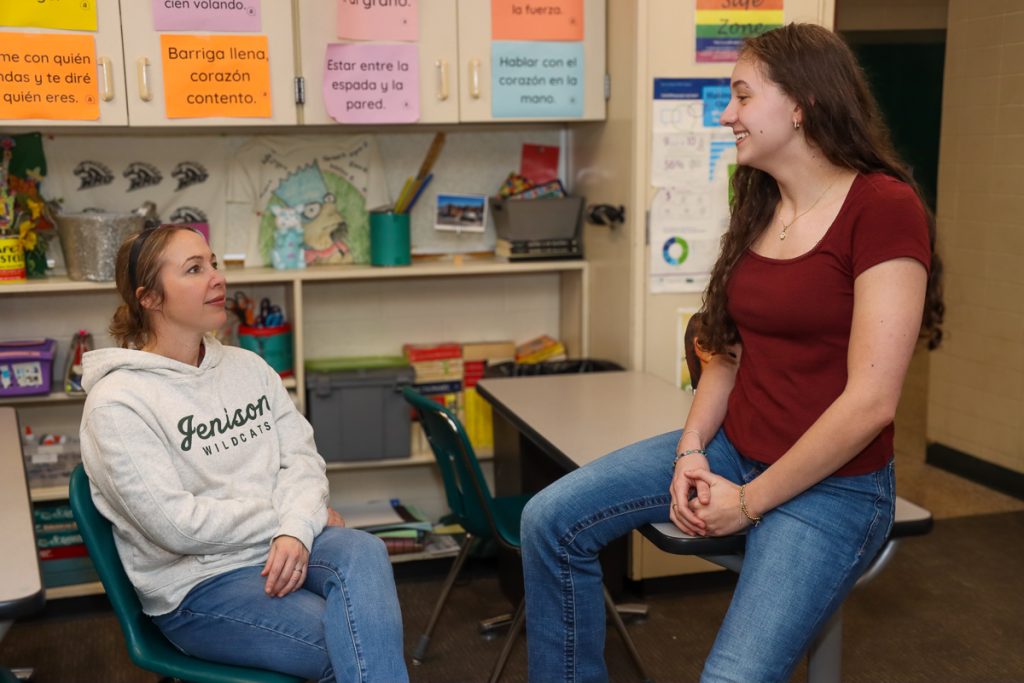
“I absolutely think this program would benefit other schools,” says Harris. “The impact we make, individually and as a group, is really amazing.”
The experience has shown her that being bilingual is more than academic achievement. It is a skill that can create opportunities, strengthen communities, and help people feel understood. By connecting classroom learning with community service, this program allows students to positively impact others’ lives while also preparing for their own future goals.
Solange Sifa has contributed several stories to the Voices of Youth series as a student journalist. She will graduate from Lee High School in June and attend Michigan State University this fall to study biochemistry and molecular biology. Solange hopes to continue her education through medical school or pursue a career in scientific research.
To learn more about Rapid Growth’s Voices of Youth project and read other installments in the series, click here. This series is made possible via underwriting sponsorships from the Steelcase Foundation, Frey Foundation, PNC Foundation, and Kent ISD.
Photos by Tommy Allen
Related Articles
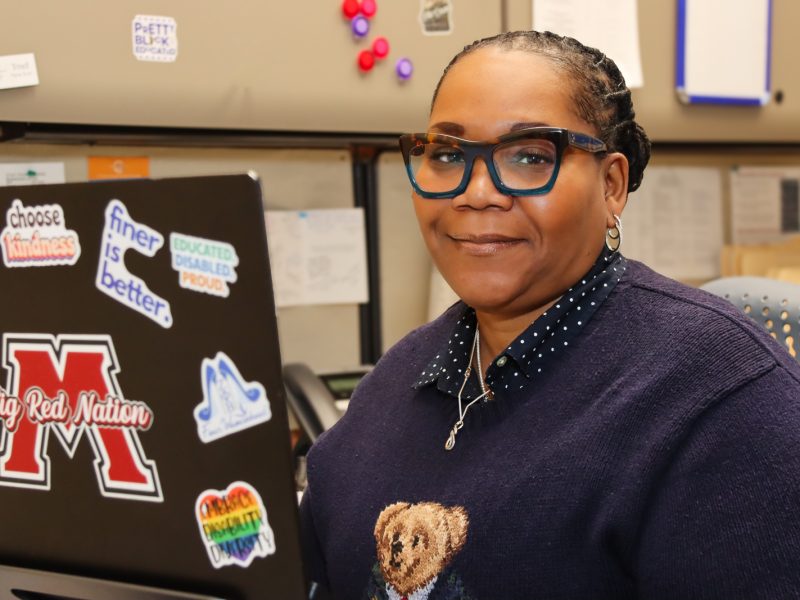
Partnerships help students with disabilities prepare for careers while building confidence and independence
Disability Network West Michigan partners with schools and colleges to remove barriers and help students progress toward employment and independent living.
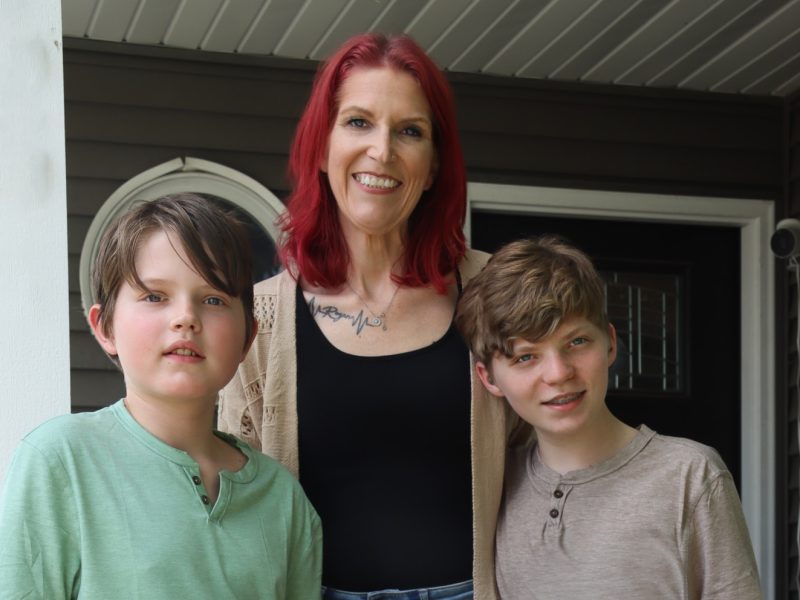
Little Michiganders need more investment in early interventions
Michigan legislature’s FY 2027 state budget includes a much needed $1.45 million increase for Early On.
Why early childhood belongs on every Michigan voter’s ballot
Why Michigan voters should pay attention candidates’ stands on childcare and early learning.


