‘It’s full circle for me’: GR Housing Commission adapts to changing needs
The Housing Commission’s mission begins with its people, whose passion for helping others has shaped the agency’s work for over 60 years.
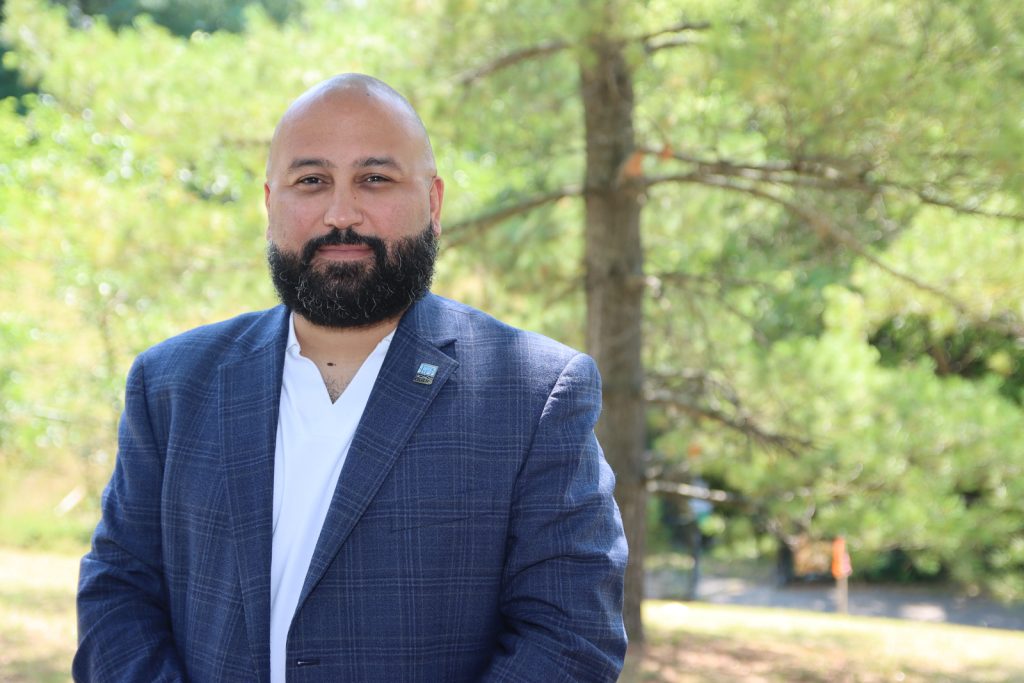
When Jose Capeles’ family moved from Philadelphia to Grand Rapids in 1991, they were starting over.
His grandfather lived at Creston Plaza, an apartment community owned by the Grand Rapids Housing Commission. The family stayed there while they got settled in their new city.
A few years later, the Housing Commission helped Capeles’ parents buy their first home through a special mortgage program.
“My parents became homeowners through a program at the Housing Commission,” Capeles says. “We became homeowners because of the Housing Commission.”
The opportunity gave the family more than a house.
When the Salvation Army later purchased the Capeles’ property to expand a parking lot, his parents used the equity from the sale to buy a duplex. They lived on one side and rented the other to a family using a Housing Choice Voucher.
Today, Capeles and his two brothers all own homes.
“It’s full circle for me,” he says. “I’m a product of this commission.”
Capeles now is the Housing Commission’s senior director of operations, overseeing nearly 1,000 agency-owned apartments and more than 3,500 Housing Choice Vouchers across Kent and Ottawa counties.
His story is one of thousands the Grand Rapids Housing Commission has been part of over nearly six decades.
Since it was created in 1966, the agency has grown from managing 228 public housing units to helping more than 4,200 households through affordable housing, rental assistance, and other programs. Along the way, its work has changed as housing needs have changed.
This story is the first in a series examining how the Housing Commission has adapted to meet those changing needs and the people whose lives have shaped, and been shaped by, its work.
Responding to change
Over six decades, the agency has adapted as federal policies changed, housing costs increased, and community needs evolved. Its mission is to offer “quality affordable housing, essential resources through advocacy and partnerships, and promoting self-sufficiency to strengthen communities.”
The people behind those programs have adapted, too.
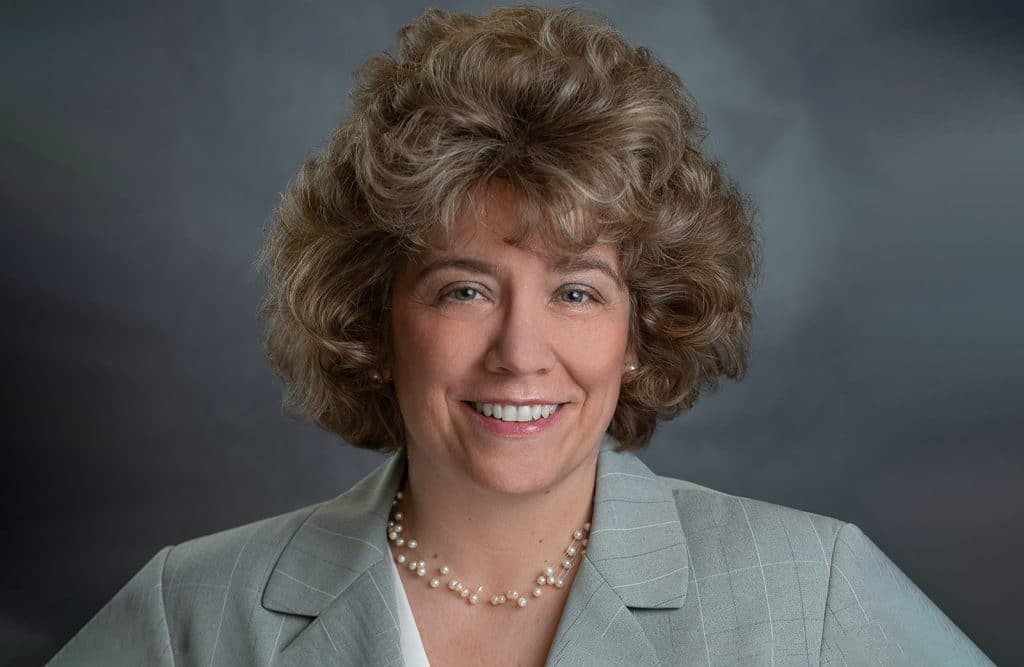
“People who do this work, really, it’s a passion for them,” Executive Director Lindsey Reames says. “Nobody wakes up one day or goes to college and says, ‘When I’m done, I really want to be a houser.'”
Instead, she says, many people find affordable housing after experiences that change how they see the world.
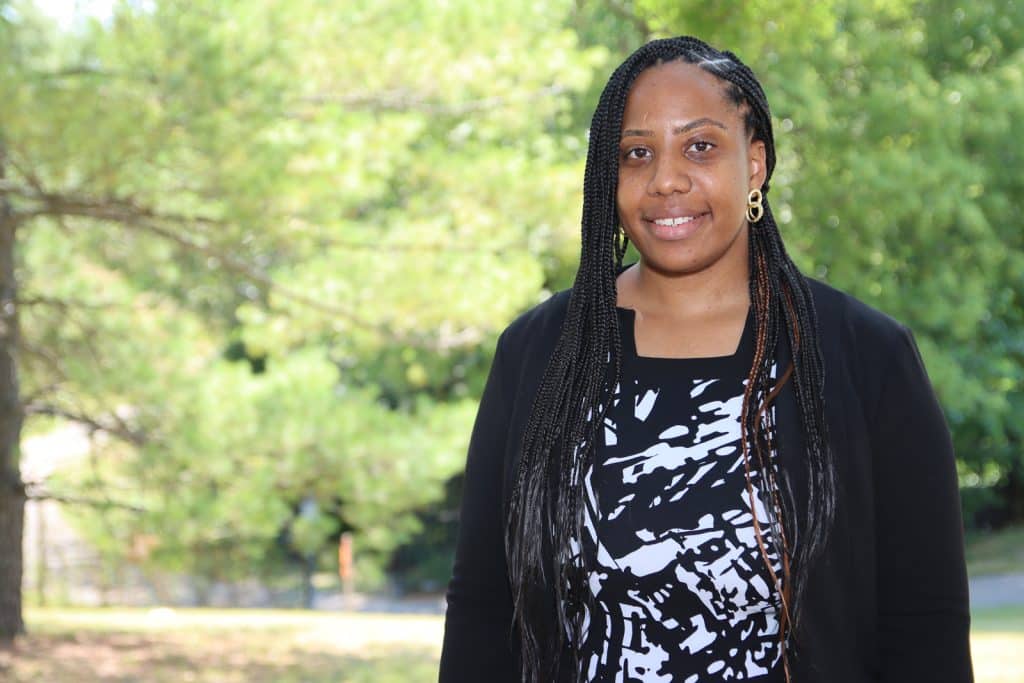
That was true for Shakerah McRae, GRHC’s director of leased housing.
As a college student in New Jersey more than two decades ago, McRae thought she was interviewing for a temporary factory job.
Instead, a staffing agency placed her in a receptionist position at a housing authority there while another employee was on maternity leave.
She never left the field.
Only a few weeks after starting, a woman walked into the office in tears. She had unknowingly signed legal papers that led to her eviction.
“I didn’t know what I was signing,” the woman told McRae. “I can’t even read.”
McRae still remembers that conversation.
That moment stayed with me,” she says. “From then on, every time someone came into our office, I made it a priority to ask, ‘Do you understand what you’re signing? Do you need help reviewing it? I realized that taking a few extra minutes to explain the process could make a meaningful difference. That experience really shaped my approach to serving people and reinforced my commitment to ensuring our clients feel informed, supported, and empowered.”
This help has become even more important because it is getting harder for families to find homes they can afford.
Proactive philosophy
Capeles has seen these changes during his time at the Housing Commission.
He originally planned to become an attorney and started working in criminal justice before realizing he wanted to prevent problems rather than respond to them.
“I found that I don’t like our criminal justice system in the way that it’s reactive,” he says. “I really wanted to focus on something that was very proactive.”
Around that time, he read research showing that a person’s ZIP code can predict future opportunities. That idea continues to shape the commission’s work.
“Placemaking and homemaking are essential for us to be proactive in helping families have socioeconomic mobility,” Capeles says.
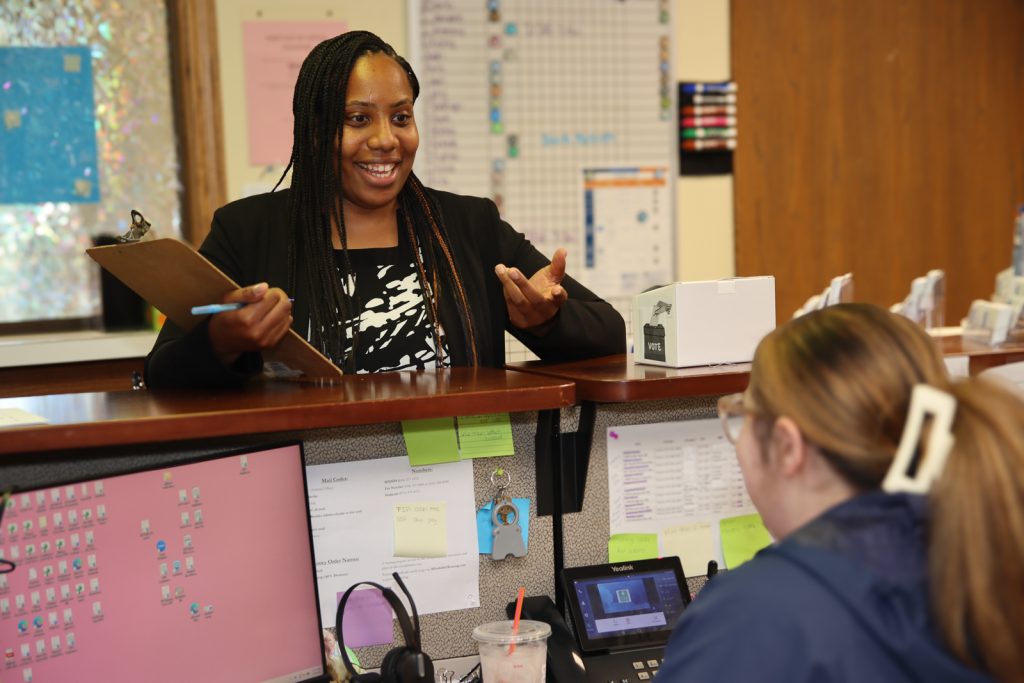
Today, the biggest challenge facing the commission is a lack of affordable housing. Over the past few years, rent has gone up across West Michigan, making it harder for families with housing vouchers to find a home they can afford.
Before the pandemic, many families could find an apartment that was covered by a housing voucher, Capeles says. Today, those same apartments cost much more. As rent keeps rising, the Housing Commission has to spend more to help each family. That means it can help fewer families.
The Housing Commission cannot stop rent from going up or change how much money it gets from the government.
“We will continue to provide the best housing that we can provide with the resources we have, and no matter what happens, we will work with every family to ensure that they’re safely housed,” he says.
That commitment has led the commission to expand partnerships with landlords, developers and nonprofit organizations throughout the region.
McRae has seen how these partnerships can change a family’s life.
She remembers a mother with two children who had been homeless. When the family finally found an apartment, they had a chance to start over.
There was one problem. The apartment didn’t have a refrigerator, stove, or microwave.
Without those appliances, the unit couldn’t pass inspection, and the family couldn’t move in.
Rather than letting the opportunity slip away, the Housing Commission partnered with Family Promise, the Salvation Army, and other community organizations to secure the appliances the family needed.
Within 30 days, the mother and her children had a place to live. Two years later, they are still housed.
Stories like that remind McRae why collaboration has become one of the commission’s most important tools.
“If we can just navigate the system and work together with the tools that we have, look at what we can do,” she says. “Look at how we can change things. It’s starting right here.”
Stories like that remind McRae why collaboration has become one of the commission’s most important tools.
“If we’re willing to work together, make the most of the tools we have, and stay focused on solutions, there’s so much we can accomplish,” McRae says. “Real change doesn’t happen overnight — it starts with each of us taking ownership, collaborating, and making a difference where we are. That’s how meaningful change begins.”
Expanding its reach
That spirit of collaboration has shaped the Housing Commission’s evolution.
What began in 1966 as an agency managing public housing has grown into an organization that works with landlords, developers, social service agencies and local governments to expand housing opportunities throughout Kent and Ottawa counties.
The Housing Commission works in many ways. It distributes housing vouchers that help people rent homes and apartments. It helps families who are homeless find a place to live. Other programs support veterans, older adults, people with disabilities, and young adults leaving foster care.
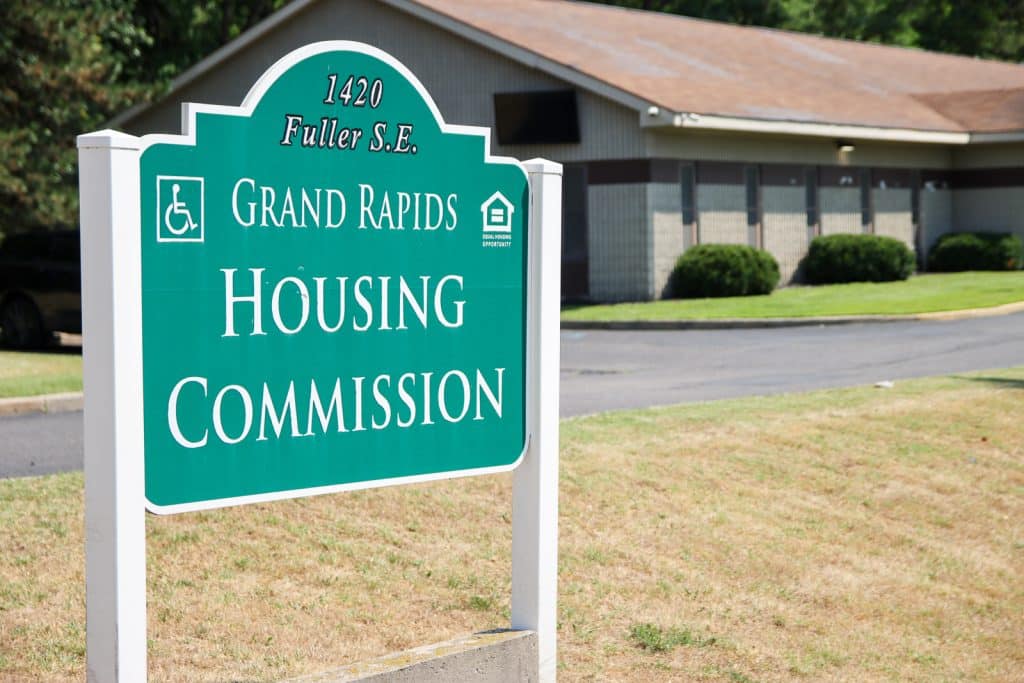
The Housing Commission also serves families outside Grand Rapids, giving more people the chance to live closer to where they work.
Reames says that decision reflected the way families already live their lives. Many commute between Kent and Ottawa counties every day, and giving them more housing choices simply made sense.
As the commission has grown, Reames says staff has become more intentional about measuring results.
“Our annual reports have specifically identified impacts,” she says. “Not just, ‘This is what we do,’ but, ‘Because of doing this, this is the outcome for the families that we serve.’”
Photos courtesy of GRHC and by Tommy Allen
Housing+ looks at how the Grand Rapids Housing Commission and its partners help residents build stability through affordable housing, rental assistance, senior and disability supports, pathways to homeownership, financial empowerment, and the many other services that shape daily life across Kent and Ottawa counties. Through our editorially independent solutions journalism, Rapid Growth digs into the people, programs, partnerships, and pressures shaping housing access, and what it really takes for individuals and families to build more stable futures. This series is underwritten by the Grand Rapids Housing Commission. Learn more at grhousing.org.
Author