
KDL, World Affairs Council bring immigration conversation to West Michigan
Author Beth Nguyen and humanitarian expert Jeremy Konyndyk join a KDL and World Affairs Council series exploring immigration through global and local perspectives.
Beth Nguyen was a baby when her family fled Vietnam and eventually found a new home in Grand Rapids.
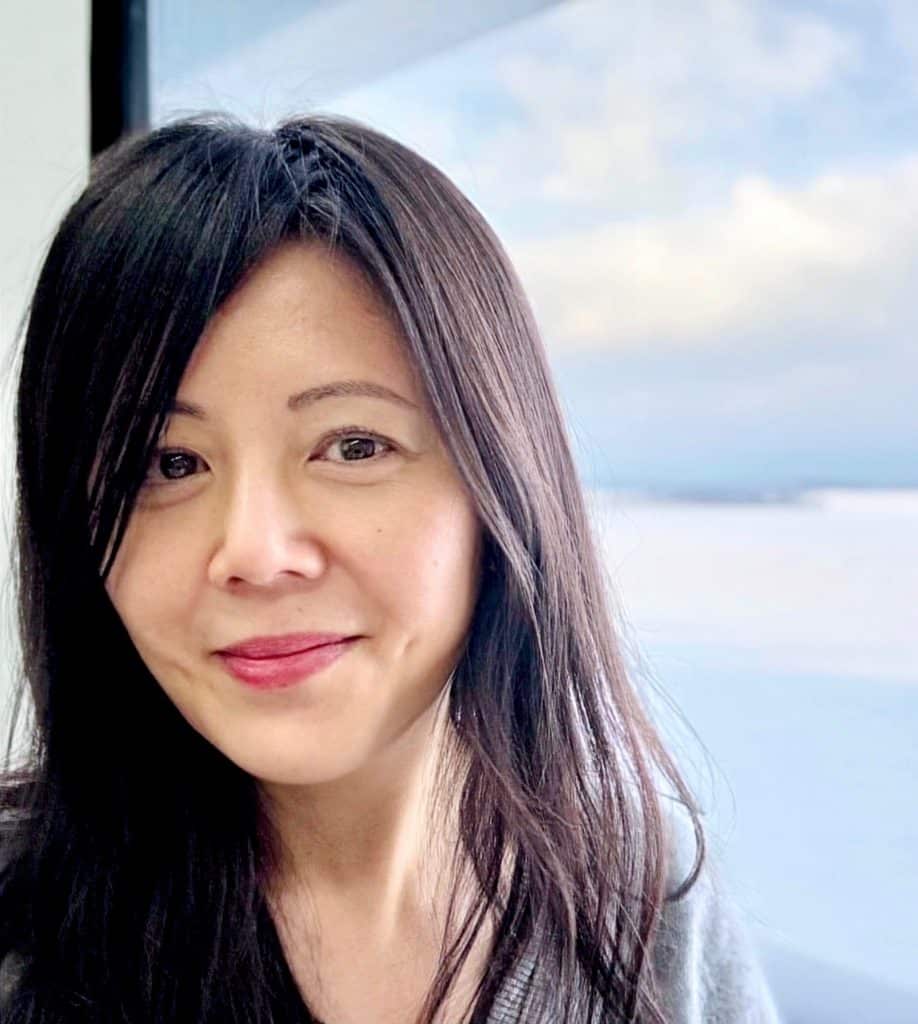
Years later, she turned her experiences growing up in West Michigan into her memoir, “Stealing Buddha’s Dinner.”
This fall, Nguyen, now a professor in the creative writing program at the University of Wisconsin–Madison, is coming back to talk about immigration in the community where her own immigrant story unfolded.
“I always look forward to revisiting the place where my family was resettled and where I grew up,” Nguyen says. “It’s emotional but also hopeful. West Michigan is a great example of how communities are enriched by immigration and immigrant cultures.”
Nguyen will open “From New Americans to Neighbors,” a three-part October series offered by Kent District Library in partnership with the World Affairs Council of Western Michigan.
The series begins with one family’s experience, widens the lens to global migration, then brings the conversation back to West Michigan, where organizations are helping immigrants and refugees build new lives.
“Immigration is often discussed through the lens of policy, statistics and political debate, but at its core, it is a human story,” says Hennie Vaandrager, KDL’s manager of outreach and programming. “One of our goals with this series is to help people connect those larger conversations to the experiences of real individuals, families and communities.”
Connecting world issues to West Michigan
KDL and the World Affairs Council have been bringing global conversations to West Michigan for more than a decade.
Each year, they choose a timely topic with connections locally, nationally, and internationally. Recent programs have explored political polarization and global health.
This year’s immigration theme brings the partnership back to where it started.
The first series, in 2016, also focused on immigration. Eleven years later, the organizations are returning to a subject that remains at the center of national debate.
A lot has happened in between.
Immigration policies have changed. Refugee and migration patterns have shifted. Political divisions surrounding immigration have grown. Yet many of the questions being debated are familiar.
Kubik says revisiting the subject reminds us that immigration debates can feel new and immediate even though they have played out throughout American history.
“One of the things that highlights is that we tend to, when we think about these issues that crop up, we tend to think of it as kind of new and immediate,” Kubik says. “But obviously, we can look at the issue of immigration and see a long, long history of debate, discourse surrounding it.”
This year’s series offers a chance to revisit the conversation from a different point in time.
“With West Michigan’s deep-rooted history of welcoming immigrants through nonprofit efforts and faith-based institutions, this felt like the right time to bring people together to learn, engage, and have conversations about the topic,” Vaandrager says.
“Our goal is to help participants better understand immigration as both a local and global issue, one that affects people and communities across the world as well as here in West Michigan,” she says.
The World Affairs Council and KDL aren’t trying to tell people where to land on immigration policy. Instead, they want to provide credible information and different perspectives on an issue that can be difficult to separate from politics.
“We’re not here to tell people how to act or what to do, but we do want to inform people so that they can make good decisions about these very complex, and I would say polarized, topics in our world,” Kubik says.
From local to global and back
The three programs are designed to build on one another.
Nguyen’s Oct. 8 program starts with lived experience. The story of her family’s journey from Vietnam to Grand Rapids puts a person and a family behind a subject often discussed through policies and numbers.
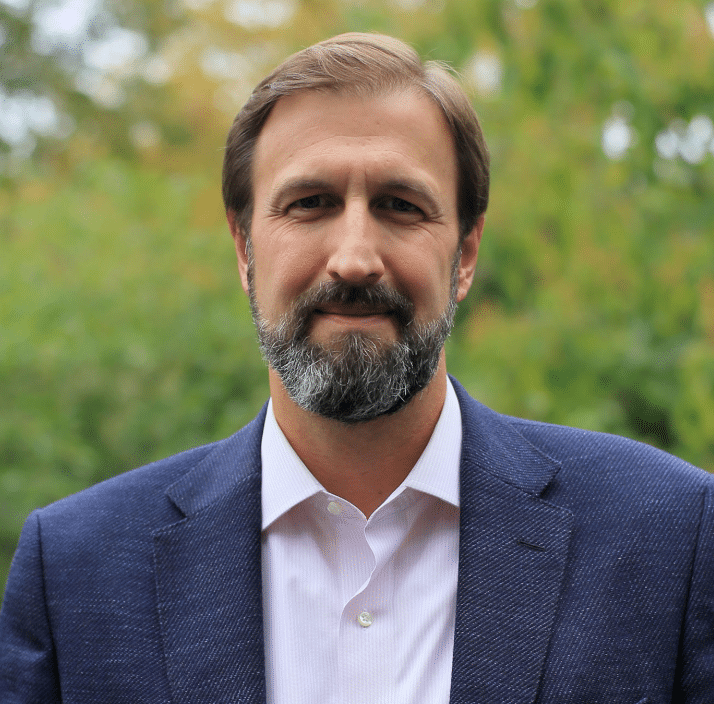
The following week, Jeremy Konyndyk will widen the view. Konyndyk, a Calvin University graduate, spent years working for the U.S. Agency for International Development and now works with Refugees International. His work has given him a firsthand view of displacement and humanitarian crises around the world.
He hopes his presentation offers a counterpoint to fear surrounding refugees and migration.
“Global displacement is a huge challenge, but also a very manageable one if we choose to manage it constructively, rather than weaponize it to sow division,” Konyndyk says. “Welcoming the stranger is fundamental to U.S. identity and to what makes our country strong.”
Like Nguyen, Konyndyk is returning to familiar ground.
“I am really excited to come back home to GR to speak on this topic,” he says. “Growing up there in the ’80s and ’90s, welcoming refugees and immigrants was core to the DNA of the community.”
His own family is part of West Michigan’s immigration history.
“My own Dutch ancestors and so many other parts of the community came to West Michigan for a better life, and in turn paid that forward by welcoming others,” Konyndyk says.
The final program, Oct. 22, brings the conversation back to West Michigan. Members of the Office of Global Michigan, the Refugee Education Center, and local leaders will share their own immigration journeys and discuss how global events play out here.
The program begins at 6:30 p.m. at KDL’s Kentwood Branch, 4950 Breton Road SE.
A reception begins at 5:30 p.m. with booths and tables featuring organizations that support immigrants and refugees. Their work includes resettlement, legal services, education, workforce development, and community building.
“The final event is designed to connect the broader conversations from the first two sessions with the work happening right here in our community,” Vaandrager says.
That local connection is central to the partnership. Kubik says global events can seem distant until people see how they affect their neighbors, workplaces, schools, and communities.
“The throughline for all of these programs that we’ve been doing for over a decade now is just this sense that it’s hard sometimes to see beyond our community,” she says. “But when we think about it, our community is deeply affected by things that happen in the world, and the flip side of that is that our local community can really have an impact on how things shake out in the rest of the world.”
The reception also gives participants a way to move from learning about immigration to meeting people who are responding to it locally. Attendees can talk directly with organizations, learn about their work, and find ways to get involved. That could include volunteering, donating, advocating, attending future events, or learning more.
“We want people to leave with a better understanding of how they can support and engage with the organizations serving immigrant and refugee communities in our region,” Vaandrager says.
Seeing issue in human terms
The series doesn’t promise to resolve disagreements over immigration. Instead, organizers are creating a place where people can hear personal stories, learn from experts, and examine information before drawing their own conclusions.
Kubik says organizers aren’t trying to avoid debate.
“Debate, discussion, these are all great, and we want to ground that in information, data, facts that are presented by folks who have a lot of credibility,” she says.
Vaandrager says adding people’s experiences to that information can help participants see immigration beyond headlines.
“We want participants to see that immigration is not just something discussed in headlines or government reports,” she says. “It is a lived experience that shapes neighborhoods, workplaces, schools and communities, including many right here in West Michigan.”
West Michigan has been responding to those experiences for generations. Kubik points to the churches, nonprofits and individuals that have spent decades helping newcomers settle into the community.
“There have been folks working in the space for decades who just really are coming at this from a perspective of, ‘How do I help my neighbor?’” she says. “That’s why we named the series what we did: welcoming neighbors.”
The programs are free and open to the public. Recordings will be archived on the World Affairs Council of Western Michigan’s YouTube channel.
Literacy Matters is a series focused on the importance of knowledge, community resources seeking to remove barriers to access, and the value of our library systems to society. Literacy Matters is supported by Kent District Library.
Author
Related Articles
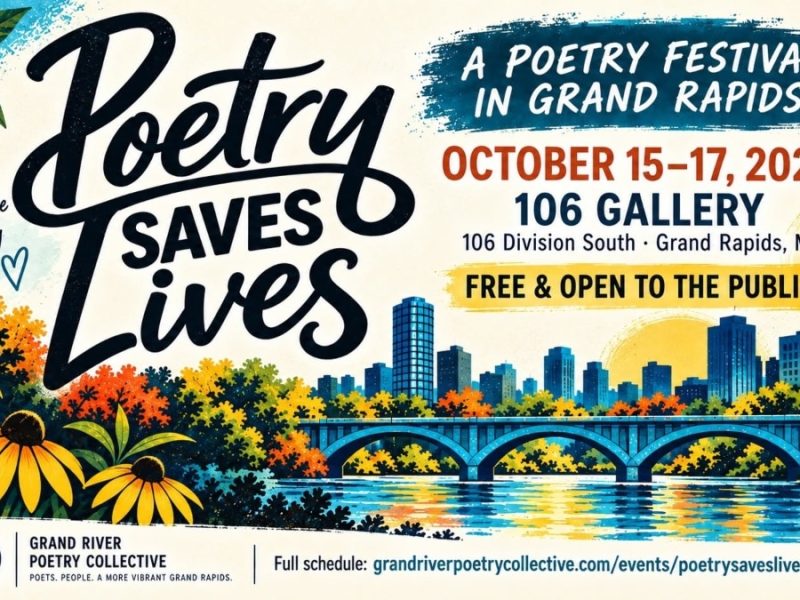
Can “Poetry Saves Lives?” Festival shares how poetry benefits mental health
Free three-day event includes panel of local mental health professionals.
Rx Kids အစီအစဉ်ကိုမီချီဂန်ပြည်နယ်ရှိလူမှုအသိုင်းအဝိုင်းပေါင်း၆၀သို့တိုးချဲ့ခြင်းကမိသားစုများ၏ငွေကြေးအခက်အခဲကိုလျှော့ချပေးပြီးပိုမိုကျန်းမာသောကလေးငယ်များမွေးဖွားလာစေရန်အထောက်အကူပြုပါသည်။
အနှစ်ချုပ်-မီချီဂန်ပြည်နယ်၏ဤအစီအစဉ်သည်နိုင်ငံအတွင်းအနာဂါတ်ကိုယ်ဝန်ဆောင် မိဘများအတွက်သတ်မှတ်ချက်မရှိဘဲငွေသားထောက်ပံ့ပေးသည့်အကြီးမားဆုံးအစီအစဉ်ဖြစ်ပါသည်။
The wheels on the bus go ’round and ’round: Grand Rapids’ Central Station Early Childhood Center
The Rapid takes mom and dad to work -– and the littles to a brand new daycare opening in September 2026.


