
How Rx Kids brings trust and financial relief to moms
Cash support program expands into southeast Grand Rapids, giving families flexibility while reducing financial stress during pregnancy and infancy.
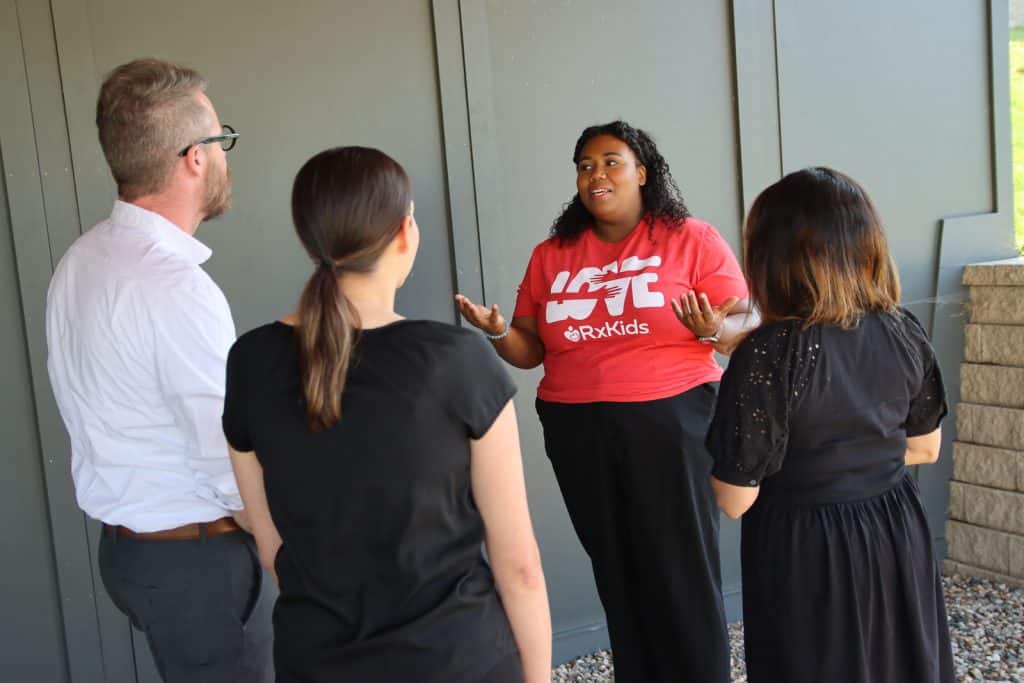
Elyse Greene has answered the same question dozens of times since Rx Kids expanded into Grand Rapids’ 49507 ZIP code.
“‘Is that it?'” expectant mothers ask after she explains the eligibility requirements. “‘No income requirements?'”
“That’s all,” Greene tells them.
Then comes the reaction she hears again and again.
“Most of them are very excited,” says Greene, outreach manager for First Steps Kent. “One mom I was able to talk to had this sense of relief because at the time she had not had dollars to purchase anything for her baby.”
That sense of relief is what First Steps Kent hopes families across southeast Grand Rapids experience through Rx Kids.
The program, which began serving families in the 49507 ZIP code July 1, provides families with $1,500 during pregnancy and $500 a month during a baby’s first six months. Unlike many support programs, families decide how to spend the money. All residents of that ZIP code are eligible.
Jennifer Headley-Nordman, president of First Steps Kent, says the program responds to concerns her staff has heard from expectant parents for years.
“Parents are telling us that it’s harder and harder to cover costs for basic needs,” Headley-Nordman says. “We see incomes go down and expenses go up.”
Those conversations led First Steps Kent to become the community champion for Rx Kids.
“For us, First Steps Kent and Rx Kids just felt like one more opportunity for us to provide additional investment and focus on the work that we’re already doing,” Headley-Nordman says.
Expanding program
The 49507 ZIP code is the first Kent County area to participate in Rx Kids, the nation’s first community-wide prenatal and infant cash prescription program. Led by Michigan State University and administered by GiveDirectly, the initiative began in Flint and has expanded to more than 60 Michigan communities.
So far, about 640 babies are born each year in the 49507 ZIP code, which includes the Alger Heights, Garfield Park, Burton Heights, Madison Square and Roosevelt Park neighborhoods, along with portions of the Grand Rapids and Godwin Heights school districts.
Headley-Nordman says the area was selected because of its higher Medicaid birth rates and longstanding barriers to health care, grocery stores and other resources. She also points to neighborhood organizations and residents who have spent years building support for children and families.
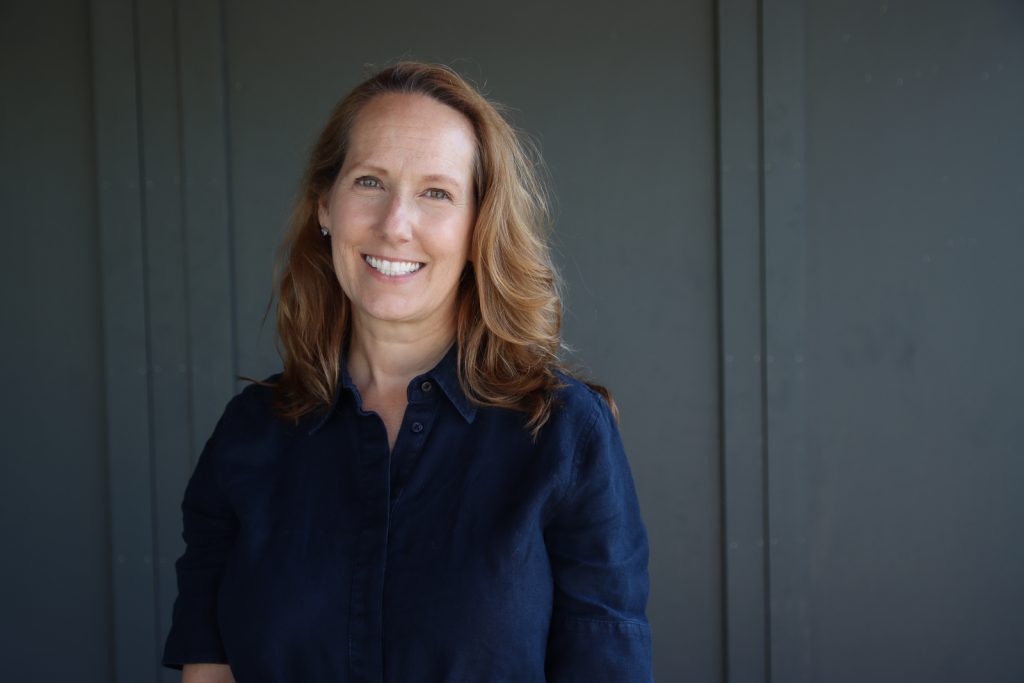
Greene spends much of her time meeting with expectant mothers and helping them complete the application.
One mother who spoke at the program’s launch plans to use the payments to buy a vehicle and a car seat so she can travel safely with her baby. Other families have told Greene they plan to pay rent and utilities, or buy diapers, formula, and groceries.
Many families are surprised to learn there are no restrictions on how they spend the money.
“A lot of families … ask, ‘What can I spend the money on?'” Greene says. “You can spend it on whatever you want.” She says that flexibility reflects the program’s belief that parents know what their families need most.
Greene says reducing financial stress during pregnancy benefits both mother and baby.
“It’s really important that our mom doesn’t stress out as much because that stress that she’s experiencing can be transferred to the baby,” she says. “Rx Kids helps provide a gap. It can help reduce stress … and help a mom really spend time bonding with their child.”
Documented success
Research suggests those early investments can make a difference. A peer-reviewed study published in The Lancet Public Health found that the Flint program was associated with fewer preterm births, fewer low-birth-weight babies, and fewer neonatal intensive care admissions. Researchers also found improvements in maternal mental health, greater financial stability, and fewer child welfare investigations.Muskegon launched its participation in Rx Kids in June 2025. Greene says 107 families had enrolled there, with 34 babies born and more than $155,000 distributed, creating an estimated economic impact of nearly $295,000.
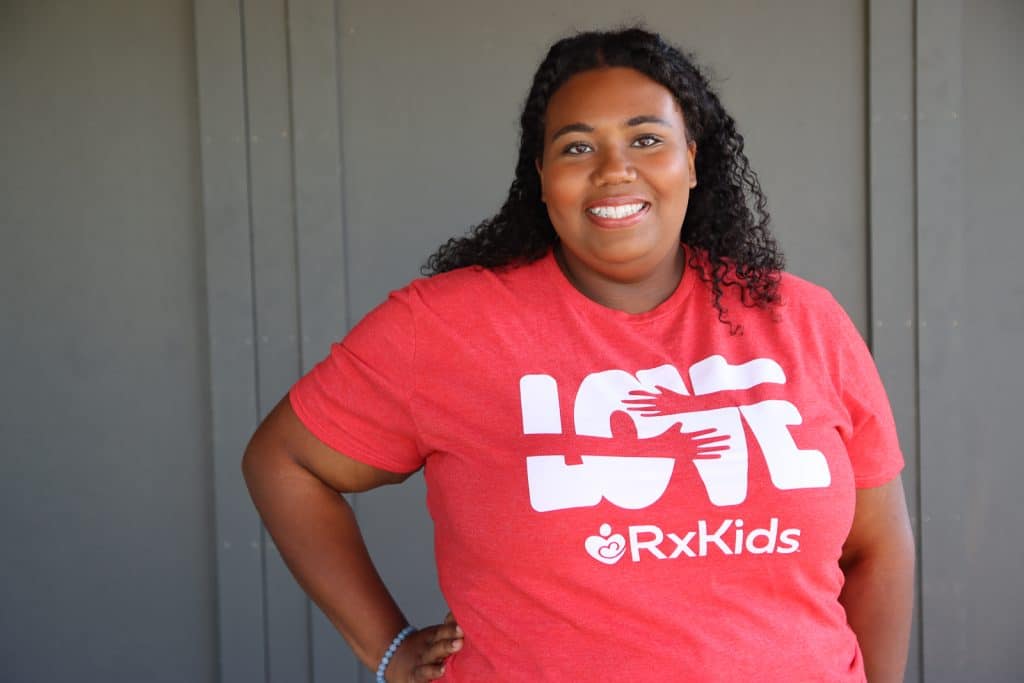
Kent County is still in the early stages. Headley-Nordman says previous Rx Kids communities have enrolled about 98% of eligible families. Greene says 61 families had enrolled locally, with 12 babies born and more than $84,500 distributed to parents.
Months of planning took place before applications opened. First Steps Kent worked with hospitals, OB-GYN practices, pediatricians, social workers, and community organizations. About 150 providers and community partners participated in training sessions to help families enroll and answer questions about the program.
A public-private partnership with state funding and philanthropic support, funding is committed for three years, and the program is currently limited to Kent County families living in the 49507 ZIP code.
Headley-Nordman says the goal is to expand the program to the entire county to give families room to focus on welcoming a new baby instead of worrying about the next bill.
“Families that have access to money that they have flexibility to spend in the way that is best for their family, they do it in a very trustworthy way,” she says. “It’s really providing that stabilization in the home environment, so mom and baby can continue to stay healthy during those first six months that are so critical, and also just to provide some breathing room so they can spend their time bonding and loving with their new baby and not worried about all of these extra things.”
Photos by Tommy Allen
Medicine Across Michigan looks at how MSU College of Human Medicine’s community-based approach to medical education is expanding access to care, strengthening our state’s physician workforce, and meeting the needs of rural, medically underserved, and emergent communities. Through editorially independent reporting, Rapid Growth digs into the people, partnerships, and practices helping build healthier communities across Michigan. This series is underwritten by Michigan State University’s College of Human Medicine. Learn more at humanmedicine.msu.edu.
Author
Related Articles
#RG20LookBack: Harm reduction’s Naloxone is the CPR we never talk about
In his 27th #RG20LookBack column celebrating Rapid Growth’s 20th anniversary, Publisher Tommy Allen revisits Heidi Stukkie’s 2012 story about The Red Project and the power of community partnerships to improve public health across West Michigan.
Designer aims to elevate quality of life through accessible housing plans
Disability Advocates and a West Michigan designer create housing plans for safe, independent living.
Trinity Health and Michigan community groups will make fresh, local food a Medicaid benefit
A new Trinity Health initiative will allow people in the Ann Arbor, Detroit, and Grand Rapids areas to access fresh, affordable produce from local organizations through their Medicaid health plans.


