
Kids’ Food Basket, schools join to address rural hunger
Partnerships between rural schools, Kids’ Food Basket identify food insecurity, connect families with support, and improve nutrition.
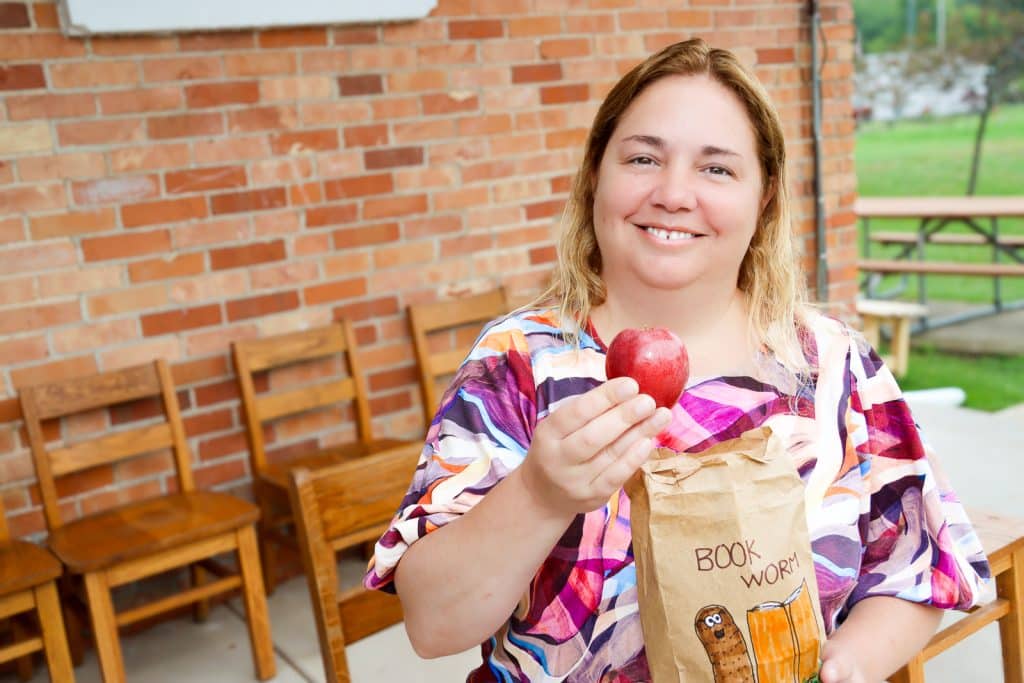
Jamie Walle does not need a report or survey to know when her students at Glenn Public School are struggling with hunger.
As the superintendent and principal of the small rural school in Allegan County near Saugatuck, Walle sees every student each day. She notices what children bring for lunch, what they have for snacks, and when families may be having a hard time but are not asking for help.
“Because we are so close-knit, we’re seeing the parents and grandparents picking up and dropping off the kids every day,” Walle says. “We notice when it’s snack time what the kids have to eat, or don’t.”
Those daily experiences have taught Walle that hunger in rural communities is often easy to miss.
“Most of our families will not ask for help, because maybe they’re too proud,” she says. “They will accept help. I’m not quite sure why, but they’re more willing to accept help than ask for help at the school.”
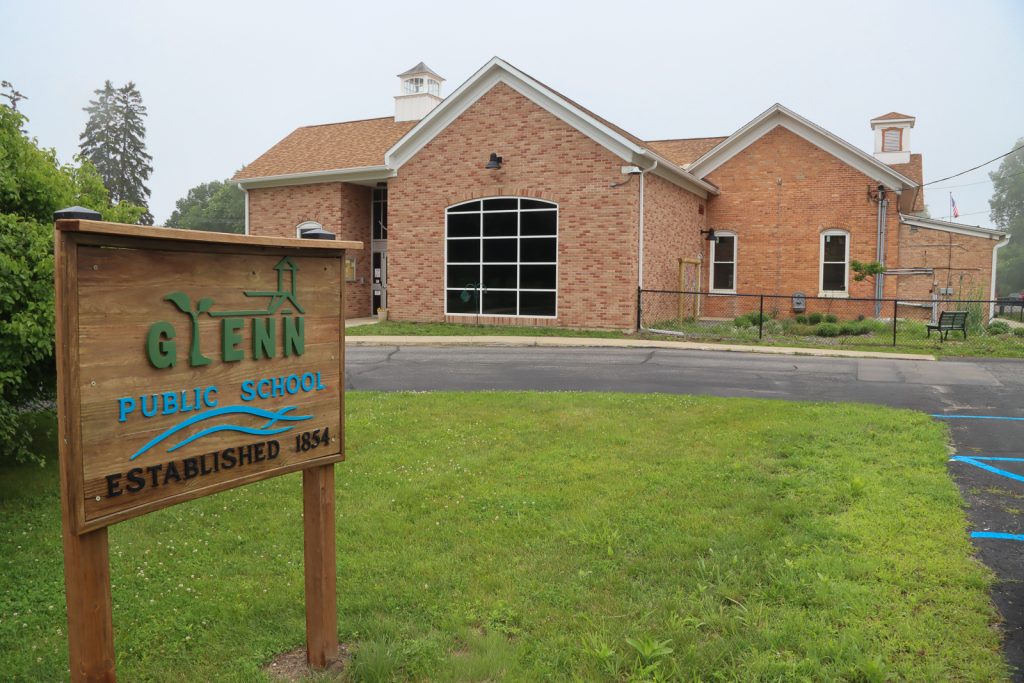
Glenn Public School, located between South Haven and Saugatuck, serves just 35 students in kindergarten through fifth grade. Staff members know nearly every family personally. That close connection helped Walle identify a student whose family needed food assistance and connect them with Kids’ Food Basket, a West Michigan nonprofit that provides meals and nutrition education for children.
Characteristics of rural hunger
The partnership offers a glimpse into how schools, nonprofits, and community organizations are addressing food insecurity in rural communities, where need can be difficult to identify and families are often reluctant to seek assistance.
Michigan Sen. Mark Huizenga says hunger is present in all types of communities.
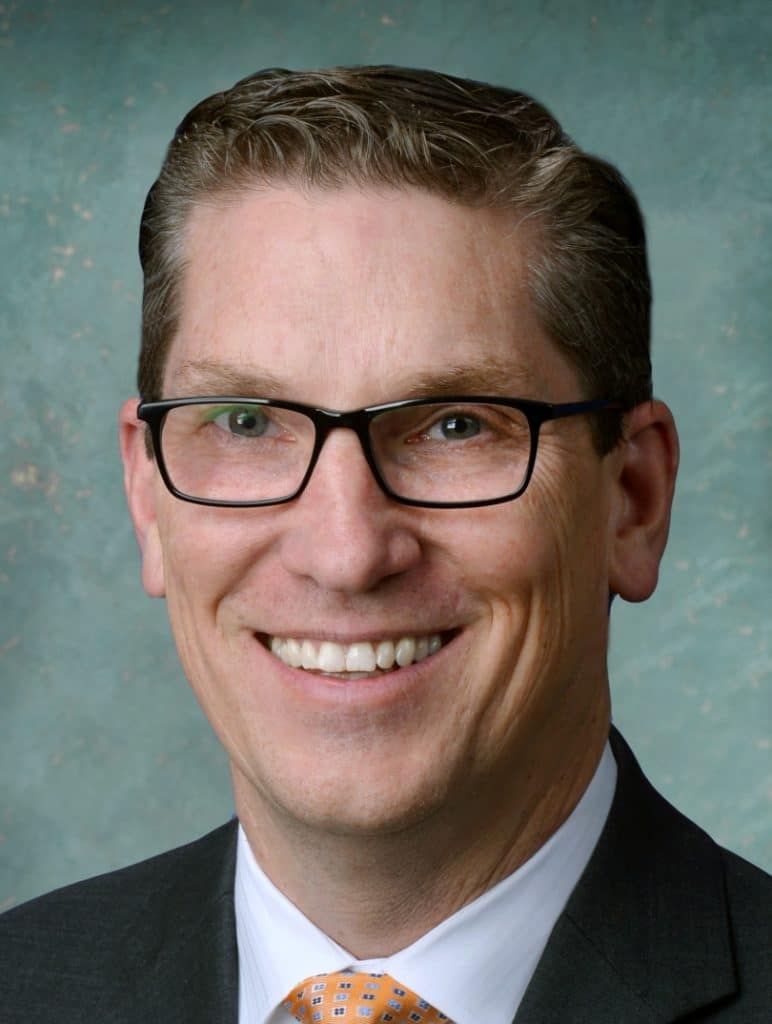
“We’ve got a really great district that I represent that’s got urban, suburban, and rural communities, and the issues are universal,” Huizenga says.
His Senate district includes parts of Kent and Ottawa counties.
Hunger in rural communities can look different than it does in cities. Accessibility to food can be an obstacle because families often live farther from grocery stores, food pantries, and other resources. Some people are also less likely to ask for help when they need it. Because of that, hunger can be harder to spot.
Walle sees those challenges up close at Glenn Public School.
Unlike larger districts that offer breakfast and lunch programs, Glenn Public School does not have a food service program. Students bring lunches and snacks from home each day. Teachers and staff quickly notice when children arrive with little food or meals made up largely of convenience-store items.
“We notice at lunch, too. Is it healthy? Did they just stop at the gas station on the way here? Do they not have anything?” Walle says.
The school has developed ways to help students who need food. Parent-teacher organization fundraisers help provide fresh snacks such as fruits, vegetables, yogurt, granola, and cheese sticks. Classrooms also have snacks available when students arrive hungry.
“If any kid comes in and says, ‘I’m hungry, I didn’t have enough to eat this morning,’ each one of our classrooms has a bowl with a granola bar, a fig bar, something of that nature,” Walle says.
Rural barriers
Those efforts help address immediate needs, but sometimes more is needed. Walle knew one family needed additional support. Through a relationship developed while volunteering with Kids’ Food Basket, she contacted the organization for help.
“When I had this one student that I knew was struggling, I said, ‘Hey, is there any way possible we can figure out how to get food weekly for this kiddo?'”
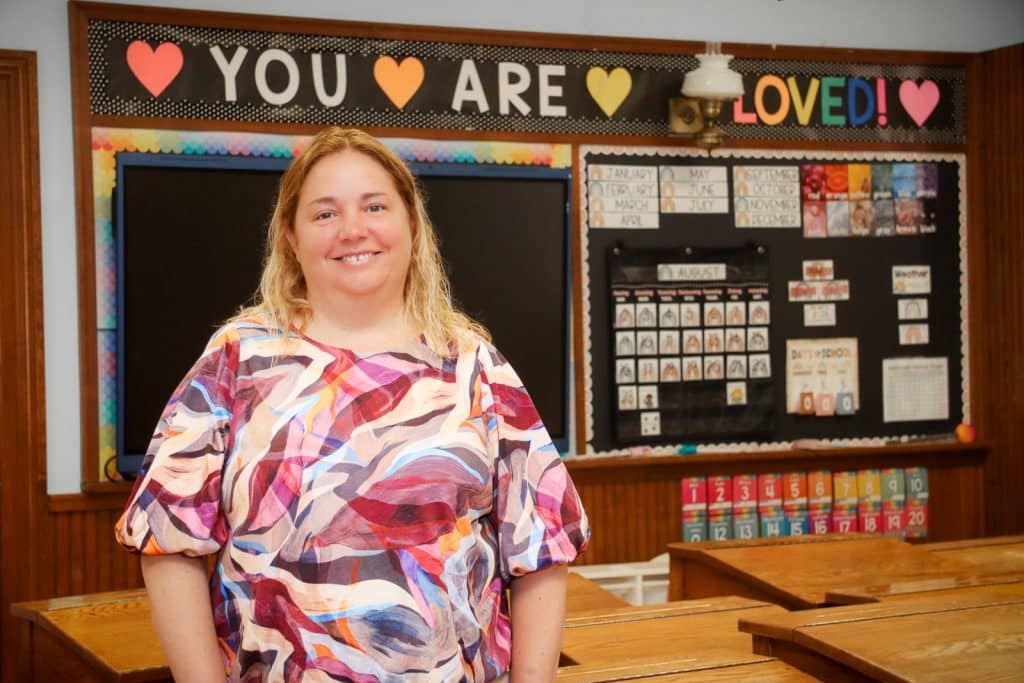
The family accepted the assistance, even though Walle doubts they would have requested it themselves.
“I don’t think they would have asked for help,” she says.
That experience reflects a challenge commonly associated with rural hunger. Families dealing with food insecurity are less likely to seek assistance because of pride, privacy concerns, or a desire to remain self-sufficient.
“I think they’d rather their kids have something and they go without,” Walle says.
Huizenga says transportation is one of the biggest barriers he hears about when discussing food access in rural communities.
Without public transit or nearby food resources, many families must travel significant distances to access grocery stores, food pantries, or support services. Community members often respond by helping neighbors directly.
“Some communities are not taking the government role, but just doing the hands-on neighborly things and saying, ‘Hey, let’s put together a little food pantry at our house and help people who have needs,'” Huizenga says.
Beneficial connection
Kids’ Food Basket has built partnerships with schools, volunteers, and local organizations to reach families.
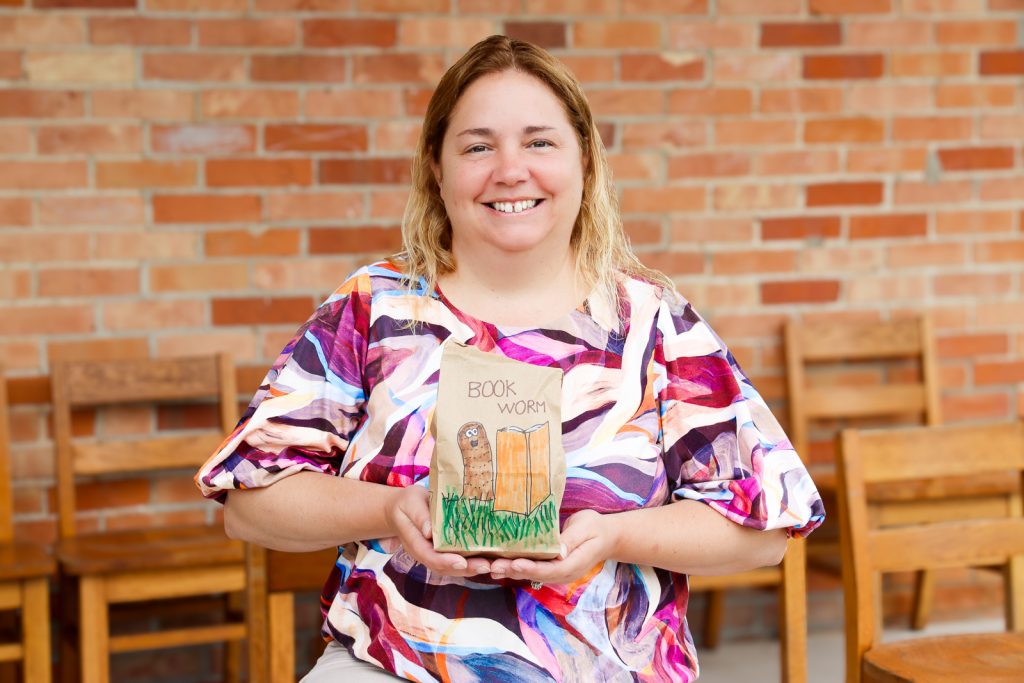
Walle’s connection to the nonprofit began through the Pullman-Fennville-Lakeshore Rotary Club. She and her school secretary volunteered to pack Sack Suppers, while Glenn students decorated bags used in meal deliveries.
“Our kids decorate bags all throughout the year,” Walle says. “When we go into Kids’ Food Basket, we’ll drop off bags and pack Sack Suppers.”
The relationship eventually expanded from volunteer efforts to direct support for students.
According to Huizenga, community involvement is one of the organization’s greatest strengths.
“I don’t know any other organization that brings in such a broad band of volunteers to help,” he says. “Their engagement has got to be amongst the highest of any nonprofit around.”
The organization also focuses on nutrition education and helping children understand where food comes from.
“When I think about Kids’ Food Basket, they are the ultimate educator,” Huizenga says.
Huizenga grew up on a small farm in Walker, where his family raised radishes, onions, carrots, squash, and other crops. Those experiences influenced how he views food education and healthy eating.
“The patterns that they start with kids early on about eating healthy foods, teaching them where food comes from, having kids see what a greenhouse looks like, and actually seeing the farm is really incredibly beneficial,” he says.
Glenn Public School embraces a similar philosophy.
Students grow lettuce and herbs in classroom growing systems and visit local farms to learn how food is produced. Trips to orchards and dairy farms help children understand the connection between agriculture and the food they consume.
“We are definitely trying to teach the kids full circle: this is where your food comes from, this is how to grow it, this is what you’re eating,” Walle says. “You don’t just go to a store and get it. Somebody grew it for you.”
Lasting impact
Huizenga says those experiences can influence habits that last a lifetime.
“I’ve seen firsthand what a difference it makes to get kids to start to learn to expand their palate at an early age and to really help foster healthy eating habits,” he says. “Those are lifelong things.”
He believes the organization’s work in communities such as Glenn goes beyond providing food for a single day.
“I think the planting of the seeds that happen at Kids’ Food Basket is going to reap rewards for decades and decades,” Huizenga says.
The nonprofit has also attracted bipartisan support from lawmakers who view child hunger as an issue that transcends politics.
“Kids’ Food Basket is a nonpartisan issue. It’s kids,” Huizenga says.
Walle says the lesson from Glenn Public School is straightforward. Hunger exists in rural communities, even when it is difficult to see. Addressing it requires trusted relationships, close observation, and organizations willing to connect with families before problems worsen.
The partnership between Glenn Public School and Kids’ Food Basket offers one example. A school leader recognized a need. A nonprofit responded. A family received support without having to ask.
“It’s been great and very well received by the family,” Walle says. “They just accepted it and continue to accept it.”
Photos by Tommy Allen
Nourishing Futures: How food builds thriving youth and stronger communities explores the many ways food nourishes young people, strengthens families, and supports healthier communities. This story series highlights innovative programs, collaborative partnerships, and the lasting impact of food access across West Michigan. It is made possible through the support of Kids Food Basket.
Author

Related Articles
#RG20LookBack: Sometimes hope looks like a kid picking up trash
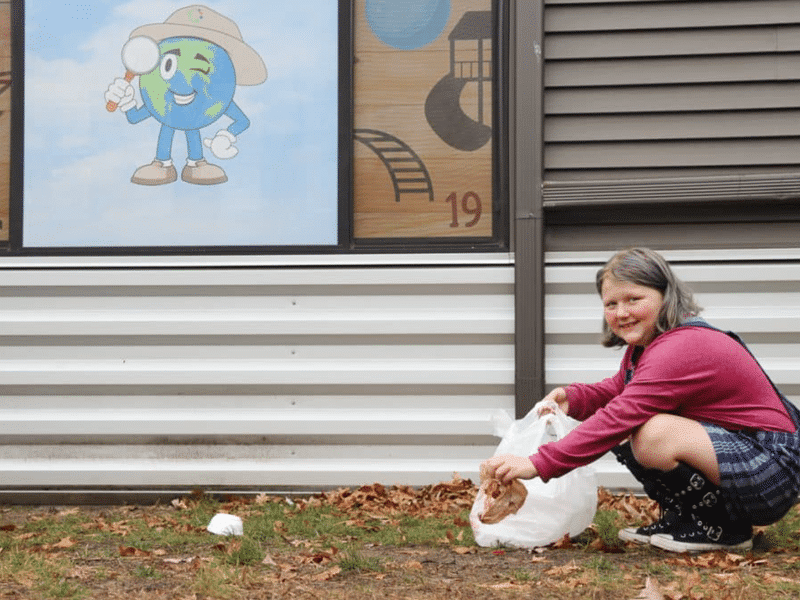
At a time when hope can feel in short supply, #RG20LookBack returns to the story of Zoey Tice, a Muskegon sixth grader whose simple decision to pick up litter reminds us how one small act can inspire others to begin.
Partnerships help students with disabilities prepare for careers while building confidence and independence
Disability Network West Michigan partners with schools and colleges to remove barriers and help students progress toward employment and independent living.
Little Michiganders need more investment in early interventions
Michigan legislature’s FY 2027 state budget includes a much needed $1.45 million increase for Early On.


