
The Land Conservancy’s 50-year fight to save West Michigan’s natural areas
The Land Conservancy of West Michigan celebrates a half-century of working to keep nature nearby.
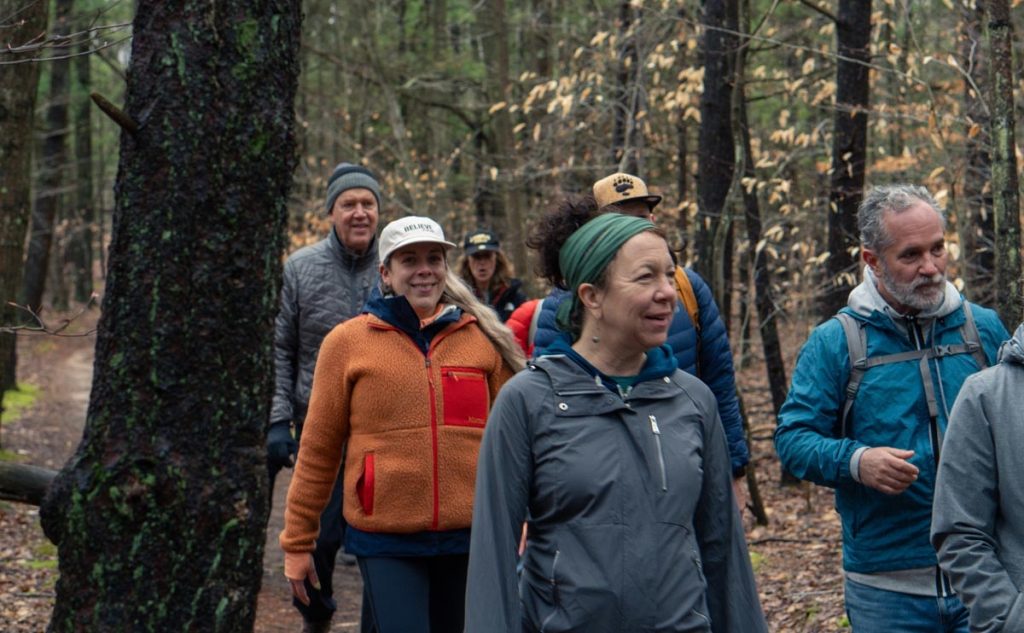
The organization’s first project added 300 acres to Saugatuck Dunes State Park. It pushed to designate the property as a natural area to protect its critical dune habitat from development.
By the 1970s, the conservation movement had gained momentum. Between the 1962 publication of Silent Spring by biologist Rachel Carson – a book that exposed the dangers of indiscriminate pesticide use – and the creation of the Environmental Protection Agency in 1970 and the Clean Water Act in 1972, Americans began stepping up for environmental sustainability. That movement included residents in Michigan.
In 1976, four volunteers met to lay out a plan to identify, protect, and care for West Michigan’s natural areas, creating the Natural Areas Conservancy of West Michigan, now called the Land Conservancy of West Michigan. Founders Lewis Drain, Grace Eldering, John Will, and Herbert Ranta, with a team of additional volunteers, set out with lofty goals, including early projects such as several conservation easements, Saul Lake Bog Nature Preserve, Lake Breeze Natural Area, and an addition to the Saugatuck Dunes State Park.
Where the conservation started
The organization’s first project was a 300-acre addition to Saugatuck Dunes State Park. It advocated designating the property as a natural area so its critical dune habitat would remain undeveloped.
In 1989, the group made its first acquisition: the Saul Lake Bog Nature Preserve, a property that protects one of Michigan’s most biodiverse bogs and was at risk of being bought by developers.
In 1997, the organization changed its name to the Land Conservancy of West Michigan. Today, the conservancy, based in Grand Rapids, is an accredited land trust, governed by a board of directors and operated by an 11-person professional staff.
Over the past 50 years, the Land Conservancy has worked with private landowners, community organizations, and governmental bodies to permanently protect and care for West Michigan land. Today, that work spans 165 properties across eight counties, totaling over 13,000 acres. Among them are destinations such as Saugatuck Harbor Natural Area, Upper Macatawa Natural Area, and North Ottawa Dunes.
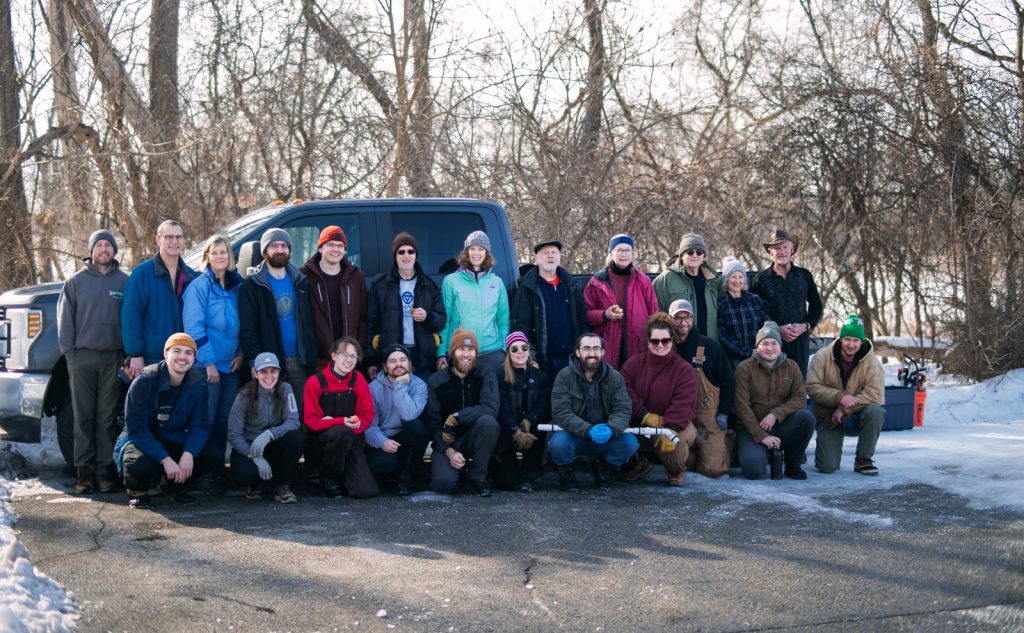
Marie Orttenburger, the advancement manager for LCWM, says the organization works in three ways.
“We work with landowners to establish conservation easements, which protect private land; we acquire and manage our own lands, which include 20 nature preserves that are open to public exploration; and we collaborate with organizations and governments to establish parks,” she says.
“For 50 years, we have worked with our communities to protect and connect natural lands, and to connect people to nature.”
What conservation has saved and protected
Without the intervention and advocacy of volunteers, impassioned residents, and LCWM, landscapes, habitats, and species might have been lost. The West Michigan lakeshore has long been under intense development pressure, but through collaborations with organizations and governments, the Conservancy has helped protect large, connected chunks of globally rare freshwater dune ecosystems.
Major accomplishments include projects that take years, and sometimes even decades, to complete.
“Saul Lake Bog Nature Preserve has a planted tallgrass prairie, a habitat type that is now very rare in West Michigan,” Orttenburger says. “Twenty-five years ago, a volunteer had the idea to transform what was a former pasture into a native grassland. We just planted the 34th acre last year, and seeing that project all the way through has been amazing. It’s now home to over 130 unique plant species, as well as many birds, insects, and wildlife.”
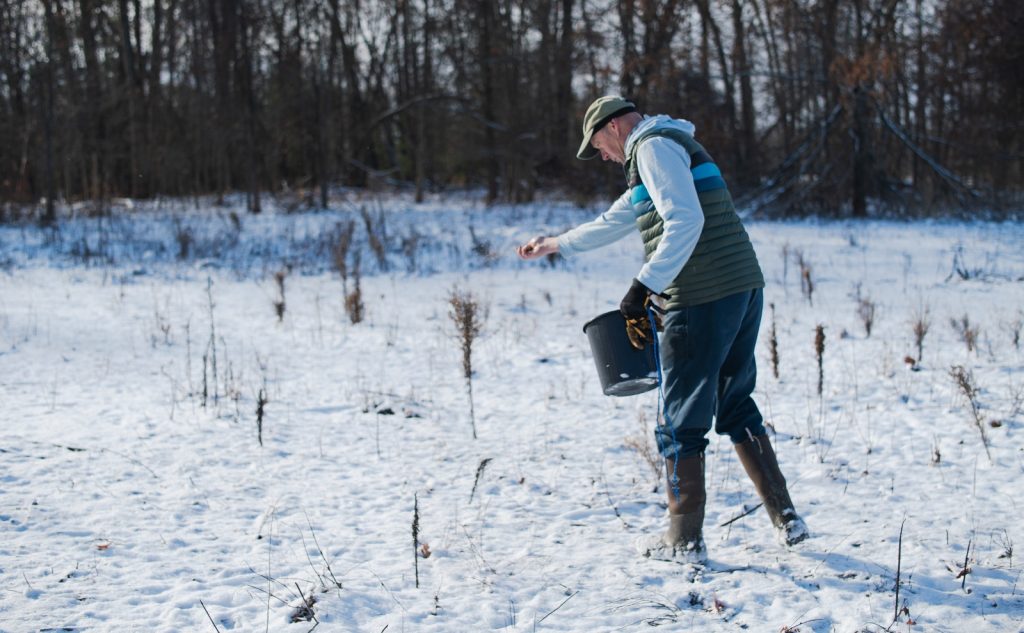
A common misconception about land conservation is that the work ends once development rights are restricted.
Another win for LCWM is the protection of the Saugatuck Harbor Natural Area.
“Saugatuck Harbor Natural Area is a 173-acre property north of Oval Beach. It was private for a long time and under intense development pressure,” Orttenburger says. “The Nature Conservancy and LCWM worked together with the city of Saugatuck to protect it.
“The freshwater dunes are so important to protect – they harbor a lot of unique and vulnerable species. The successful acquisition was the result of the collaboration of organizations and the community that loved it.”
A similar collaboration is the Ottawa Sands County Park, a partnership between Ottawa County Parks and LCWM made possible by support from the Michigan Natural Resources Trust Fund and The Conservation Fund.
Why conservation is never done
One of the biggest misconceptions about land conservation work is that once development rights are restricted, the work is over.
“Ongoing care is an essential element to keeping nature preserved,” Orttenburger says. “Once land is acquired or preserved, restoration and continued work are necessary to keep habitats healthy and thriving. This includes invasive species management, native species planting, controlled burning, and maintaining public access to keep the land safe and welcoming for the public to enjoy.”
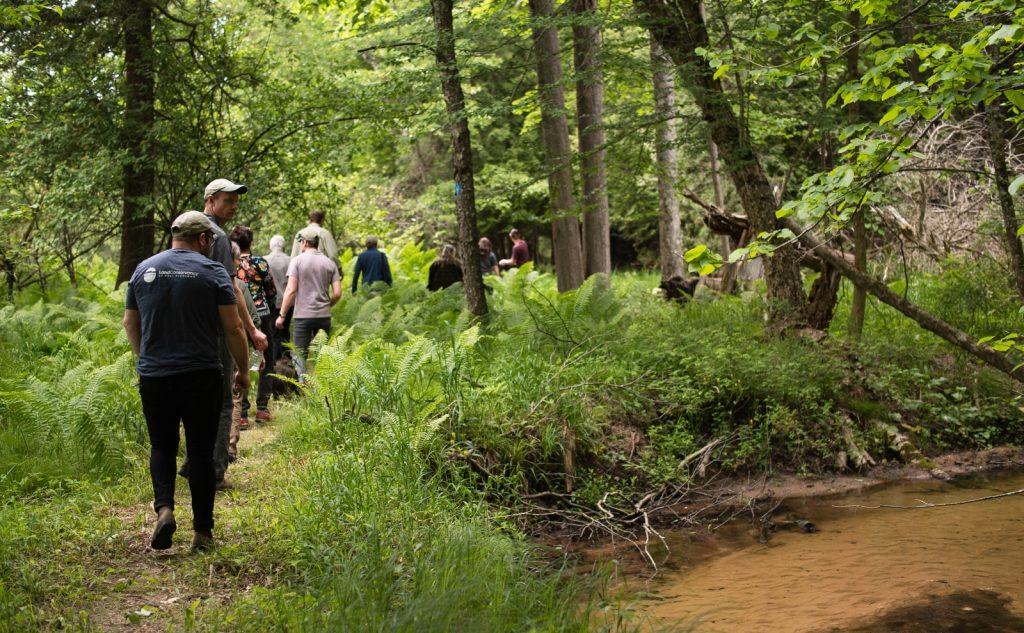
Over the next 10 to 20 years, LCWM plans to expand conservation efforts while continuing to connect people with protected landscapes.
While the challenges of land conservation haven’t drastically changed in nature over the years – the main ones include development pressure, invasive species, and climate change – they have increased in pace and intensity. New threats always emerge that can potentially undo what previous generations have done to preserve habitats.
“With so many priorities competing for a person’s attention today, it can be difficult to center nature,” Orttenburger says. “But we have found that by connecting people to nature and each other, we can help restore their resilience and hope.
“We need people to return the favor by supporting the natural places they enjoy to save them before it’s too late. When we work together, we can make an impact on our community, and you can see a tangible difference.”
What the future holds
LCWM’s strategic conservation and action plans guide its near-term goals.
“The pace of development and pressure to develop is increasing and land is limited, so it only gets harder and more expensive to preserve and protect,” says Orttenburger.
Over the next 10 to 20 years, LCWM hopes to accelerate its work against increasing land-use pressures, while continuing to connect people with the places it has worked to protect.
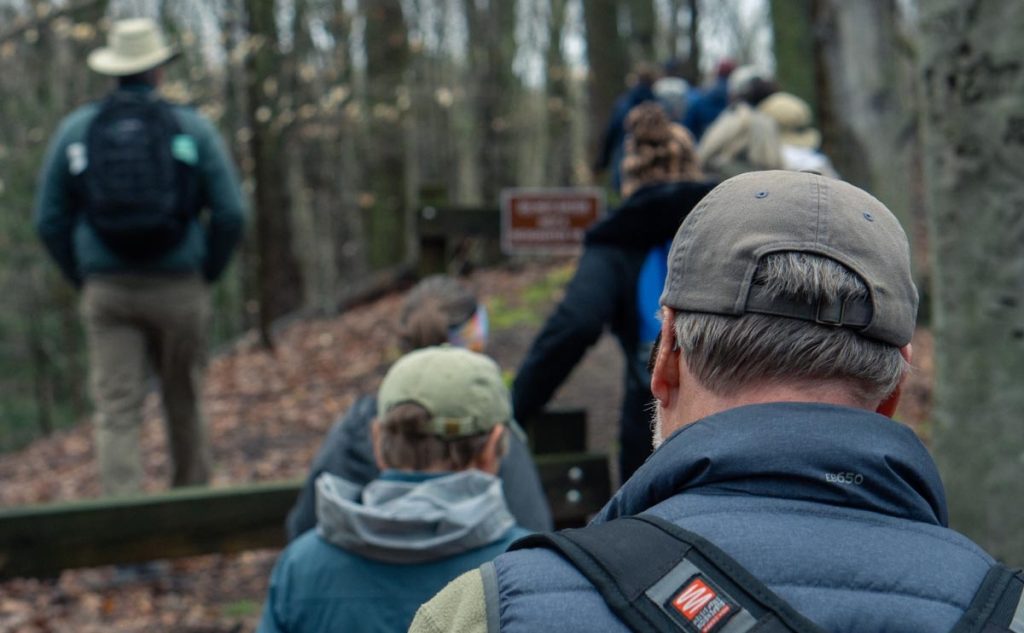
LCWM’s 50th anniversary celebration includes “Explorathon” events across its eight-county region. The next event, a June 6 bike ride with educational stops, begins at the Wittenbach Wege Center in Lowell.
In the meantime, however, the Land Conservancy is celebrating its achievements and its people.
“We’re taking time to step back and appreciate the milestones,” Orttenburger says. “We’re an organization that’s committed to keeping nature nearby in perpetuity. At 50 years, we can appreciate that we’ve stood the test of time. We’re reflecting and celebrating the people, partners, and spirit that have supported us throughout the journey.”
LCWM 50th anniversary celebration includes a series of “Explorathon” events highlighting connected and protected lands throughout its eight-county service region. The next event is a bike ride on June 6 that includes educational stops, beginning at the Wittenbach Wege Center in Lowell.
Photos courtesy of LCWM
Related Articles
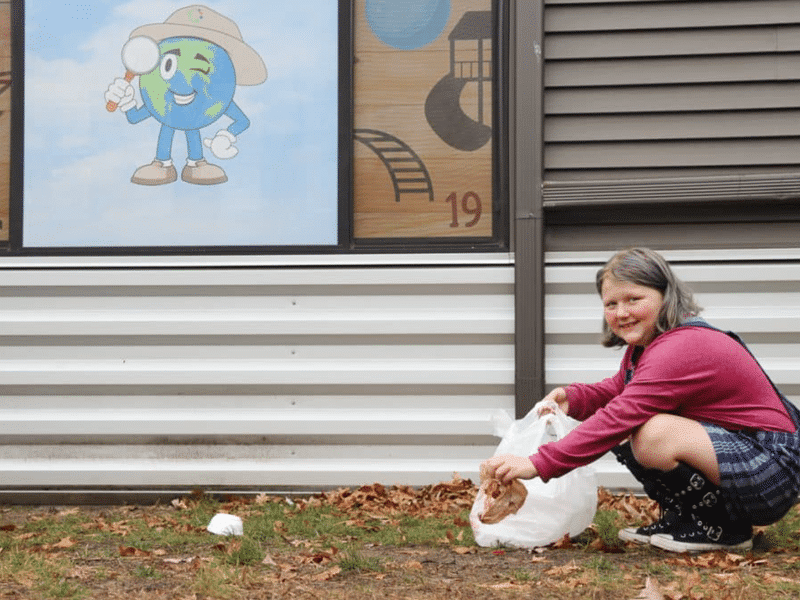
#RG20LookBack: Sometimes hope looks like a kid picking up trash
At a time when hope can feel in short supply, #RG20LookBack returns to the story of Zoey Tice, a Muskegon sixth grader whose simple decision to pick up litter reminds us how one small act can inspire others to begin.
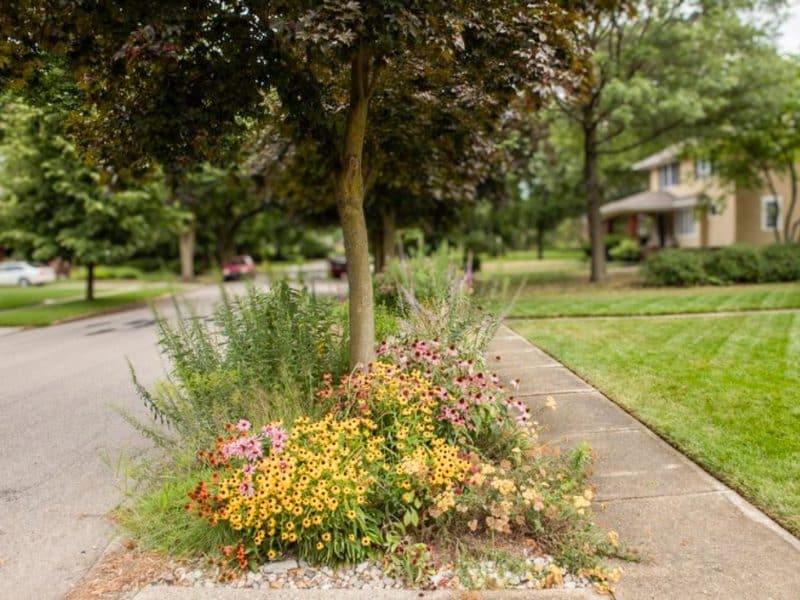
#RG20LookBack: Can one small garden help grow a community movement? (Yes!)
In his 25th #RG20LookBack column, Rapid Growth Publisher Tommy Allen revisits Matthew Russell’s 2019 story about a GR resident’s rain garden helps protect local waterways.
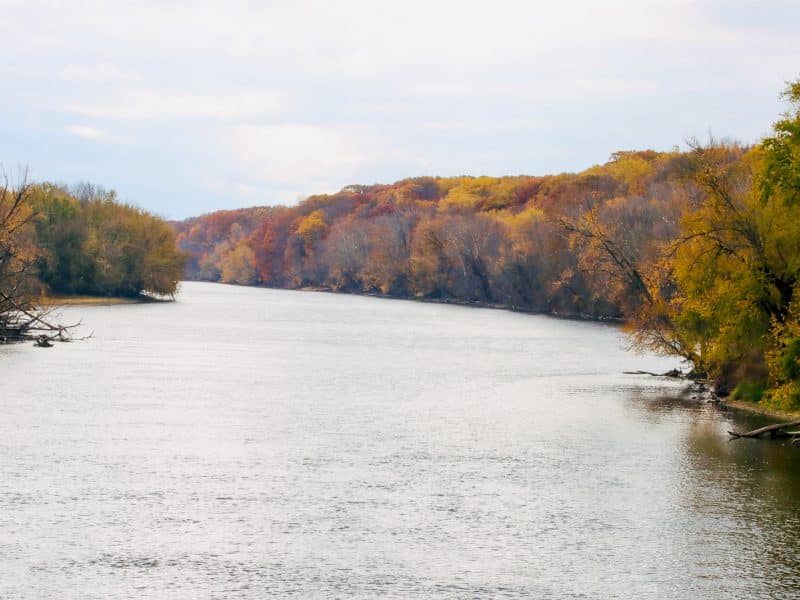
#RG20LookBack: West Michigan models making progress over time
In his 21st #RG20LookBack, Rapid Growth Publisher Tommy Allen revisits Deborah Johnson Wood’s 2009 story about efforts to restore rapids to the Grand River — a timely reflection following last week’s groundbreaking of the Grand River Restoration’s Lower Reach project.


