
Traverse City plans safer streets for residents of all abilities
Residents and advocates explain how better crossings, connected sidewalks, and bus access can make trips across Traverse City safer.
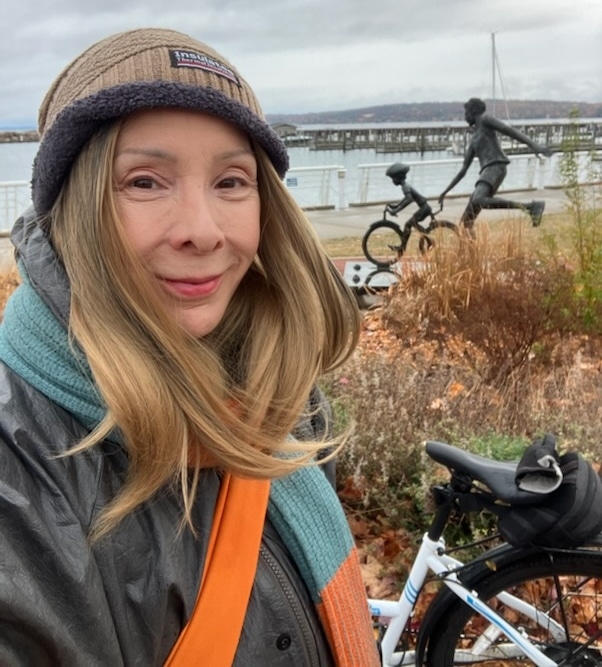
Melissa Montminy rides an electric bike to work, the grocery store, and other places in Traverse City. She has used her bike to get around for three and a half years. She rides on trails, bike lanes, and neighborhood streets.“There hasn’t been a place in town that I have not been able to get to,” she says.
The trails make those trips enjoyable as well as practical.
“The scenery is so beautiful, and you’re connecting with nature,” Montminy says. “It’s really a nice experience. You’re not just commuting.”
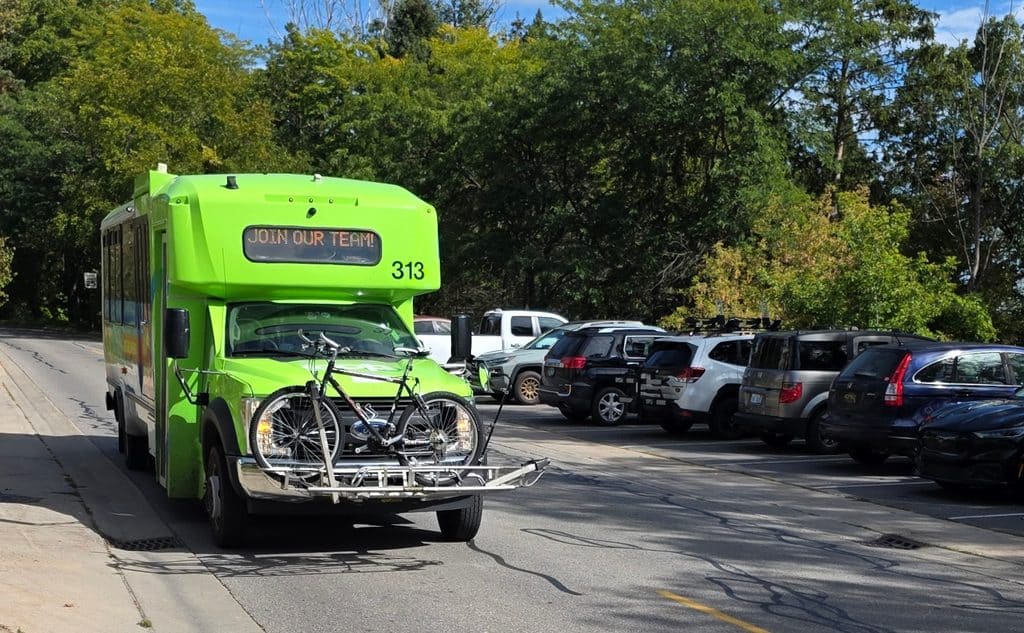
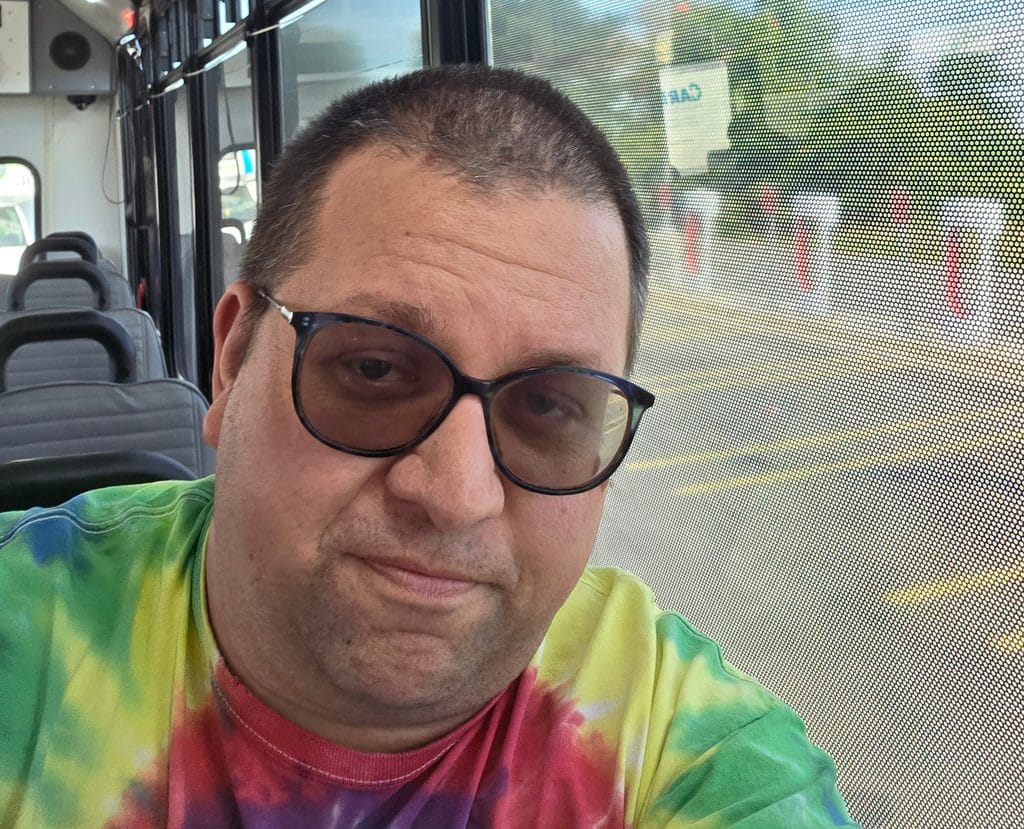
Justin Reed rides an electric bike when the weather is warm and takes the bus in winter. He has used local buses for about 16 years. He also volunteers at a community mental health clubhouse, where he helps others learn how to use the bus.
Reed, who has a disability, says transportation helps people get out and take part in their community.
“Some of these folks who use the transportation, they don’t have a vehicle. They don’t have a car,” he says. “So they have the freedom to be in the community with local transit.”
Montminy and Reed need safe ways to get around. So do their neighbors. Sidewalks should be connected, drivers should be able to see people crossing the street, and buses should help people get to work.
Alliance promotes better transportation
The Grand Traverse Safe Streets Alliance works to make streets safer for people who walk, bike, drive, ride the bus, or use wheelchairs. Disability Network Northern Michigan helped form the Alliance with the Cherry Capital Cycling Club, TC Track Club, TART Trails, and NORTE.
The alliance supported the city’s decision to set aside 1% of its annual general fund revenue for Complete Streets projects, which, according to the city, “create an equitable and effective transportation network where all users can travel safely, conveniently, and efficiently.” That money can help pay for better sidewalks and crosswalks, bicycle lanes, more consistent street painting, and other activities that encourage safe streets.
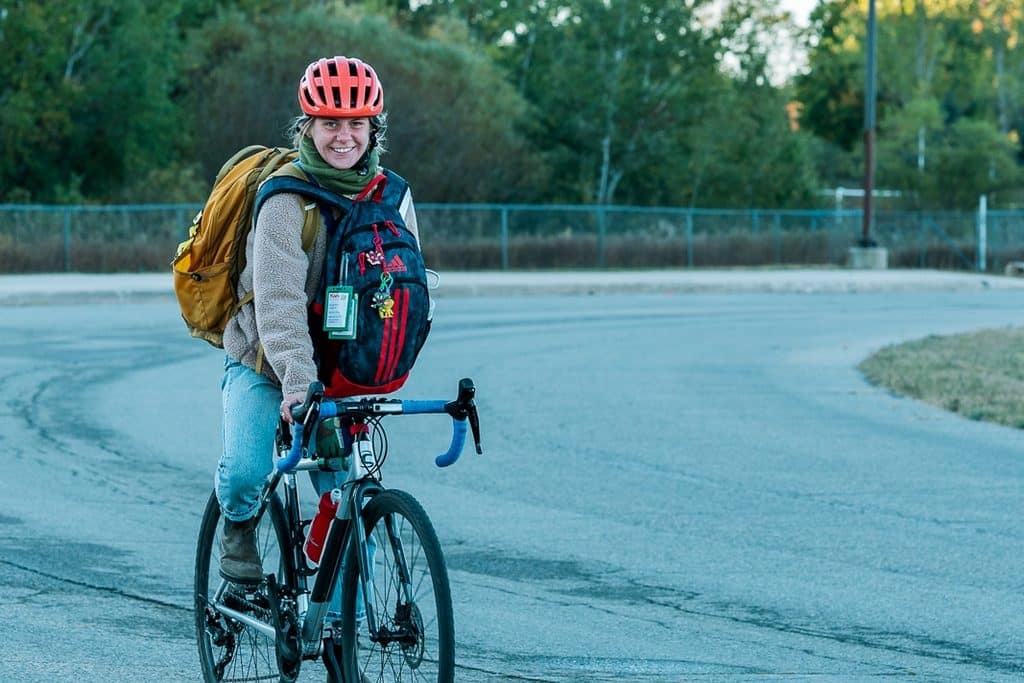
Dana Pflughoeft is the community engagement coordinator at TART Trails. She also serves on the city’s Complete Streets Advisory Committee, which helps plan street projects.
She says Disability Network Northern Michigan has long partnered with TART Trails on Smart Commute Week and brings knowledge about barriers that street planners might otherwise miss. DNNM Executive Director Alanna Lahey has helped her understand how those barriers affect residents, Pflughoeft says.
“Learning from Alanna and other community members about the current obstacles (physical and systemic) faced by the disability community has directly informed how I show up to the city of Traverse City’s Complete Streets Committee,” she says.
The City Commission updated its Complete Streets policy in December 2025. The policy calls for streets that people of all ages and abilities can use safely. The city will focus on neighborhoods with few safe ways to get around. The Complete Streets Advisory Committee is a group of seven people will review plans and help choose which projects get money.
Identifying problems
Pflughoeft walks or bikes to work each day. She likes many of the paths, but some need work. Some sidewalks lack ramps for wheelchair users. Potholes and faded lines at crosswalks can also make it harder to get around.

The city plans to add a flashing light at Cass and 16th streets, where many pedestrians and bikers cross to reach the Boardman Lake Loop. They will be able to press a button to warn drivers that they want to cross.
“Darting across is not a safe or enjoyable option for many people, including folks in the disability community,” Pflughoeft says. “We are really pleased to see this progress for all.”
Montminy identifies a different trouble spot: 13th and Division streets. Drivers turning right sometimes move just as pedestrians receive the signal to cross, she says.
“I’ve almost gotten hit,” Montminy says. “So I’ve learned to always make eye contact.”
Painted lines do not always make a crosswalk feel safe. Montminy says she still has to watch drivers closely before she crosses.
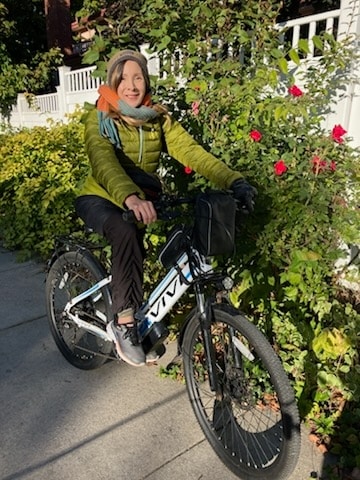
grocery store, and other places in Traverse City.
Reed sees travel issues from the bus. He says the Bay Area Transportation Authority listens when he brings up a problem. He goes to meetings to learn about changes to bus service. At the clubhouse, he helps others use the bus and offers to share their concerns at public meetings.
“I’ll listen to you. I’ll make some suggestions,” he says. If someone is uncomfortable speaking publicly, he says, he can help bring the issue to BATA’s attention.
Reed says some bus routes need to run later. People who work at night outside Traverse City may not have a bus ride home. He says using a smartphone to get a ride can also be hard for some people.
“Smartphones can be very complicated, but I try where I can to help them out,” he says.
Pflughoeft wants the city’s construction projects to plan for people who walk or use wheelchairs. A closed sidewalk can block the way, or a detour may be hard to follow or impossible to use in a wheelchair. She wants clear routes that everyone can use.
The policy, committee, and funding give Traverse City a way to identify and act on such problems. Their results will be visible in the trips residents can make: whether someone can cross Cass Street without rushing, navigate around construction, reach an evening shift, or get through an intersection without guessing what a driver will do.
“We have our work cut out for us,” Pflughoeft says.
Photos courtesy of Justin Reed, Melissa Montminy and Dana Pflughoeft
The multi-regional Disability Inclusion series is made possible through a partnership with Centers for Independent Living organizations across West Michigan.
Author

Related Articles
Kent County mobility study offers new path to transportation access
Kent County leaders, advocates and nonprofits are working together to expand transportation choices and help more residents stay connected and independent.

#RG20LookBack: The Rapid’s evolution and our journey to the future
In his 20th #RG20LookBack, Rapid Growth Publisher Tommy Allen revisits the 2018 story, “The Rapid 25 years on: Looking back on the transit’s evolution as instrumental CEO retires,” by Paul R. Kopenkoskey, examining key periods in our local transit history and highlighting Peter Varga’s 25-year leadership.


